Brazil increases ethanol blend in gasoline to 32% amid oil price volatility
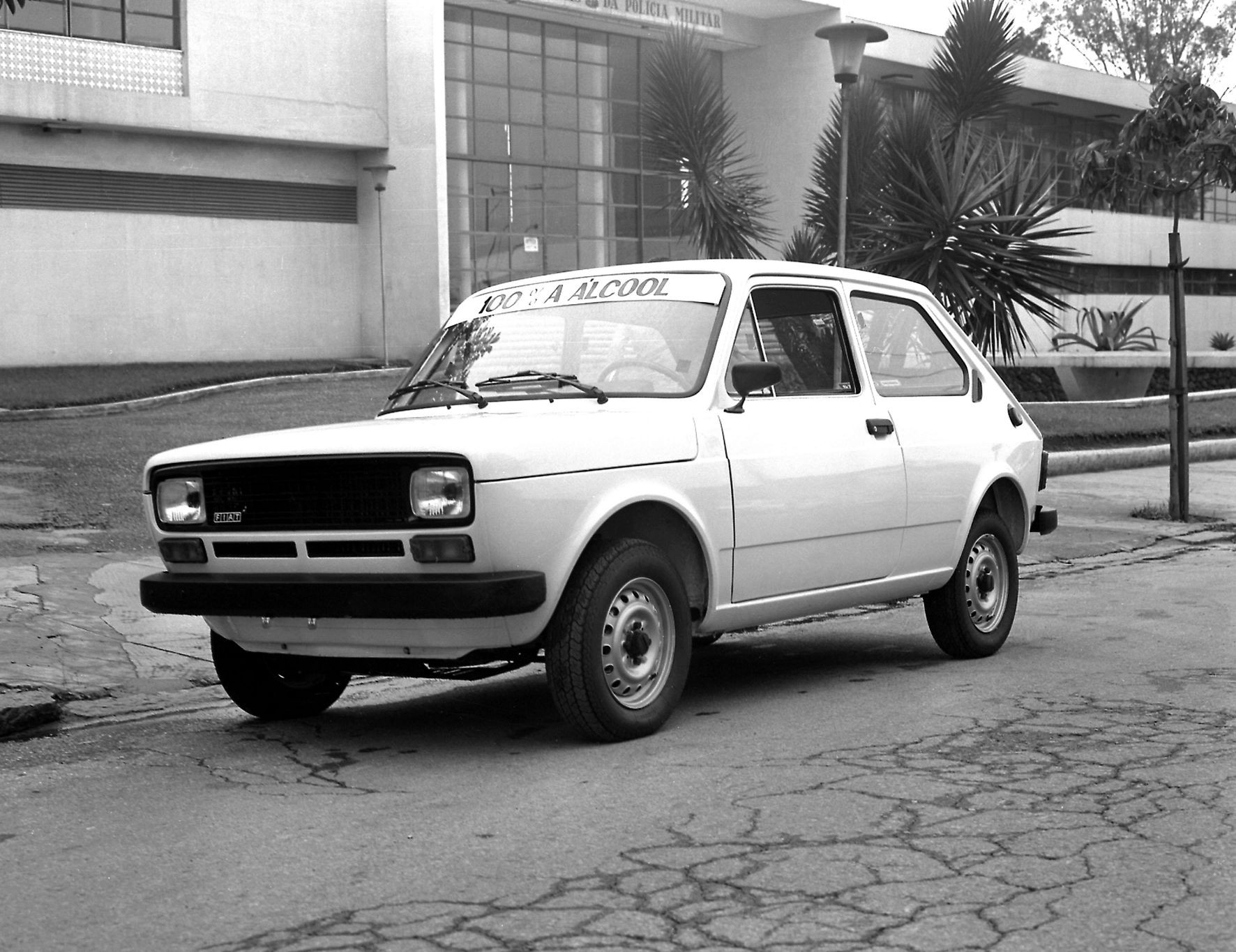
Brazil's National Energy Policy Council (CNPE) has announced an increase in the mandatory blend of anhydrous ethanol in gasoline, raising it from 30% to 32%. This measure, effective for 180 days, is a strategic move to help control fuel prices following global oil supply disruptions and price hikes linked to renewed conflicts between the United States and Iran. The situation echoes historical challenges, as Brazil has a long-standing relationship with ethanol as a fuel alternative, dating back to the 1930s. However, it was the global oil crisis of the 1970s that significantly propelled the adoption and blending of ethanol into gasoline. In 1973, the Organization of the Petroleum Exporting Countries (OPEC) imposed an oil embargo, causing prices to skyrocket from $1.90 per barrel in 1972 to $11.20 by 1974. This led to the establishment of the National Alcohol Program (Proálcool) in November 1975, a comprehensive initiative involving government, manufacturers, and academic researchers to promote ethanol production and use. The initial integration of ethanol into gasoline began in February 1931, with a decree mandating a 5% blend in all imported gasoline, gradually implemented from July 1931. The primary goals were to reduce dependence on foreign oil and support national agriculture. The Institute of Sugar and Alcohol (IAA), founded in 1933, further regulated the sector, directing surplus sugarcane production towards distilleries. By 1938, even domestically produced gasoline was required to include ethanol, with volumes determined by the IAA and the National Petroleum Council (CNP). The Proálcool program, launched in 1975, represented a major public policy effort to substitute fossil fuels with a renewable alternative. It comprised mandatory ethanol blending, expanded distribution, and the development of vehicles running solely on hydrated alcohol. This strategy aimed to enhance Brazil's energy security. The program spurred a transformation in sugarcane cultivation, shifting its focus towards energy production. The success of Proálcool was initially tied to international oil prices, influencing expansion and investment. This collaborative effort fostered technological advancements in alcohol-powered engines and later, flex-fuel vehicles. Early technical challenges included improvised engine modifications and inconsistent ethanol quality, leading to operational issues like fuel leaks and starting difficulties, particularly in cold weather. Material compatibility was also a concern, with ethanol corroding aluminum alloys and copper components in fuel systems. Despite these hurdles, by 1979, Fiat successfully introduced the Fiat 147, the world's first car designed to run on 100% ethanol.
Brazil's recurrent reliance on increasing ethanol blends in gasoline, as demonstrated by the recent 32% mandate, highlights a persistent strategy to mitigate the economic and geopolitical risks associated with volatile global oil markets. This policy, rooted in historical responses to oil crises since the 1970s and even earlier in the 1930s, reflects a long-term national objective of enhancing energy security and supporting the domestic agricultural sector, particularly sugarcane production. While such measures can offer short-term price stabilization and promote renewable energy, they also introduce complexities. The automotive industry must continually adapt to varying fuel compositions, and the agricultural sector faces the challenge of balancing food and energy crop production. Looking ahead, Brazil's energy policy will likely continue to navigate the interplay between global fossil fuel dynamics, domestic biofuel capabilities, and the evolving demands of a low-carbon economy, potentially exploring further technological innovations in engine efficiency and alternative renewable sources.
AI-generated to prompt reflection — not editorial opinion, not advice, not a statement of fact. How this works.