Brazil increases ethanol blend in gasoline to 32%, sparking debate on vehicle compatibility
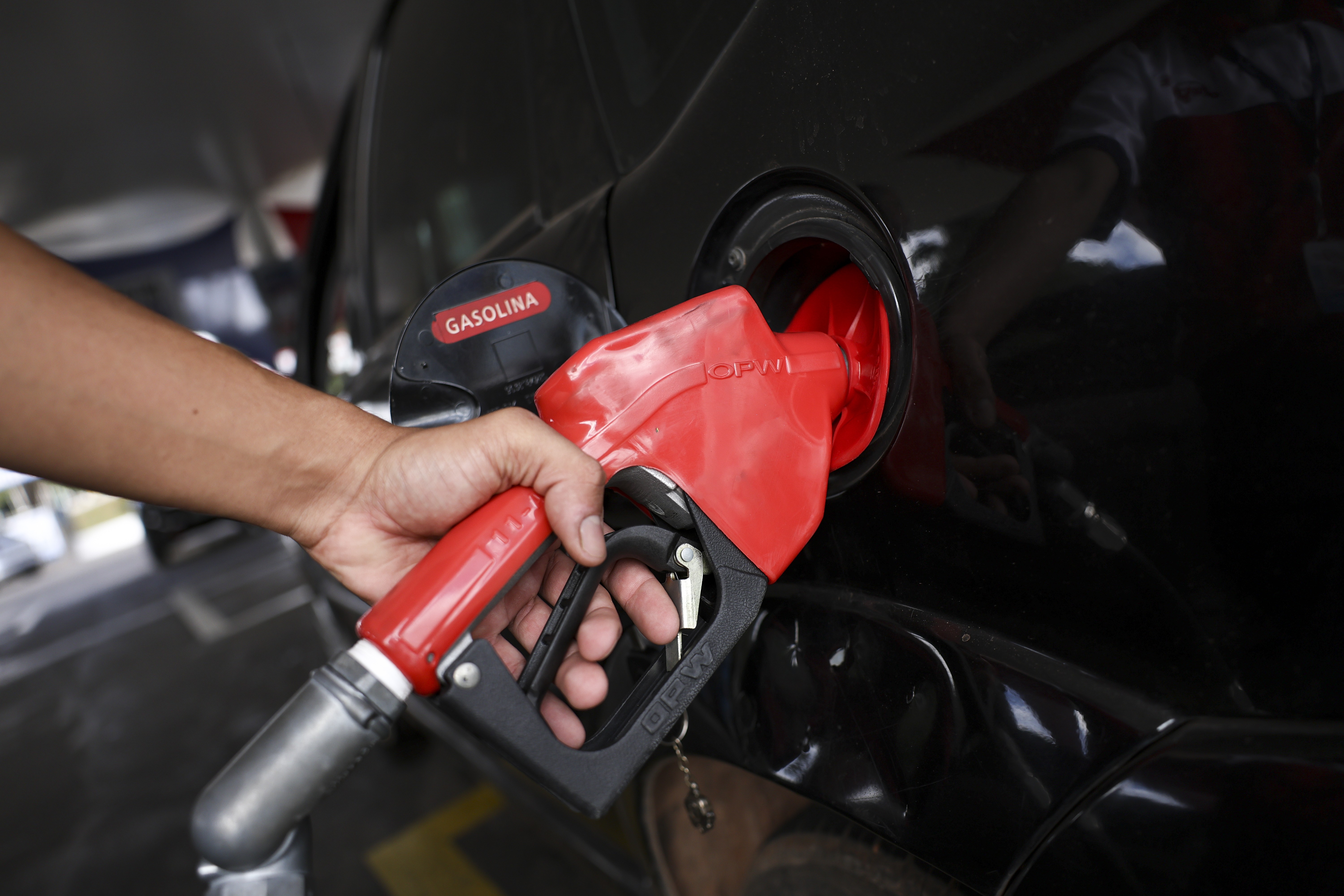
Starting August 1st, 2024, Brazil will increase the ethanol blend in gasoline from 30% to 32%. This decision, announced by the National Council of Energy Policy (CNPE) on July 14th and effective for 180 days, aims to address volatility in the oil and fuel markets, particularly amid rising fossil fuel costs and the conflict in the Middle East. However, the move has drawn criticism, with the Federal Public Ministry filing a lawsuit to suspend the increase, citing inconclusive tests and insufficient environmental impact assessments. Experts warn that older vehicles or those not specifically calibrated for higher ethanol content may experience increased fuel consumption, corrosion, and component wear. The CNPE, however, maintains that tests showed equivalent performance to lower blends without significant impacts, even on non-flex engines. The Union of Sugarcane and Bioenergy Industries (Unica) supports the measure, stating the sector can meet demand and that it could reduce gasoline imports. Concerns about material compatibility, especially for older and imported cars designed solely for gasoline, have been raised by manufacturers like Anfavea and engineers. Ethanol's hygroscopic nature means it can absorb water, potentially leading to corrosion in metal engine components not designed for such conditions. While specific additives can offer some protection, they cannot fully mitigate incompatibility risks in older systems. The CNPE has defended the decision, asserting that extensive testing, both in labs and real-world conditions, demonstrated no significant adverse effects on vehicle operation.
The Brazilian government's decision to increase the ethanol blend in gasoline reflects a strategic pivot towards renewable energy sources, potentially leveraging domestic production capacity to mitigate global fossil fuel price shocks. However, this policy shift introduces a direct tension between national energy objectives and the existing automotive infrastructure. The CNPE's assertion of negligible impact contrasts with expert concerns regarding material compatibility and long-term engine wear, particularly for older vehicles. This divergence highlights a systemic challenge in energy transitions: ensuring that the pace of fuel innovation does not outstrip the adaptability of legacy systems and consumer assets. Future policy development should consider robust, independent lifecycle assessments and phased implementation strategies that account for diverse vehicle populations, potentially incentivizing or mandating gradual fleet upgrades to align with evolving fuel standards and prevent undue economic burden on vehicle owners.
AI-generated to prompt reflection — not editorial opinion, not advice, not a statement of fact. How this works.