Brazil Justice Ministry Probes Over 1,000 Gas Stations in Rio for Organized Crime Links
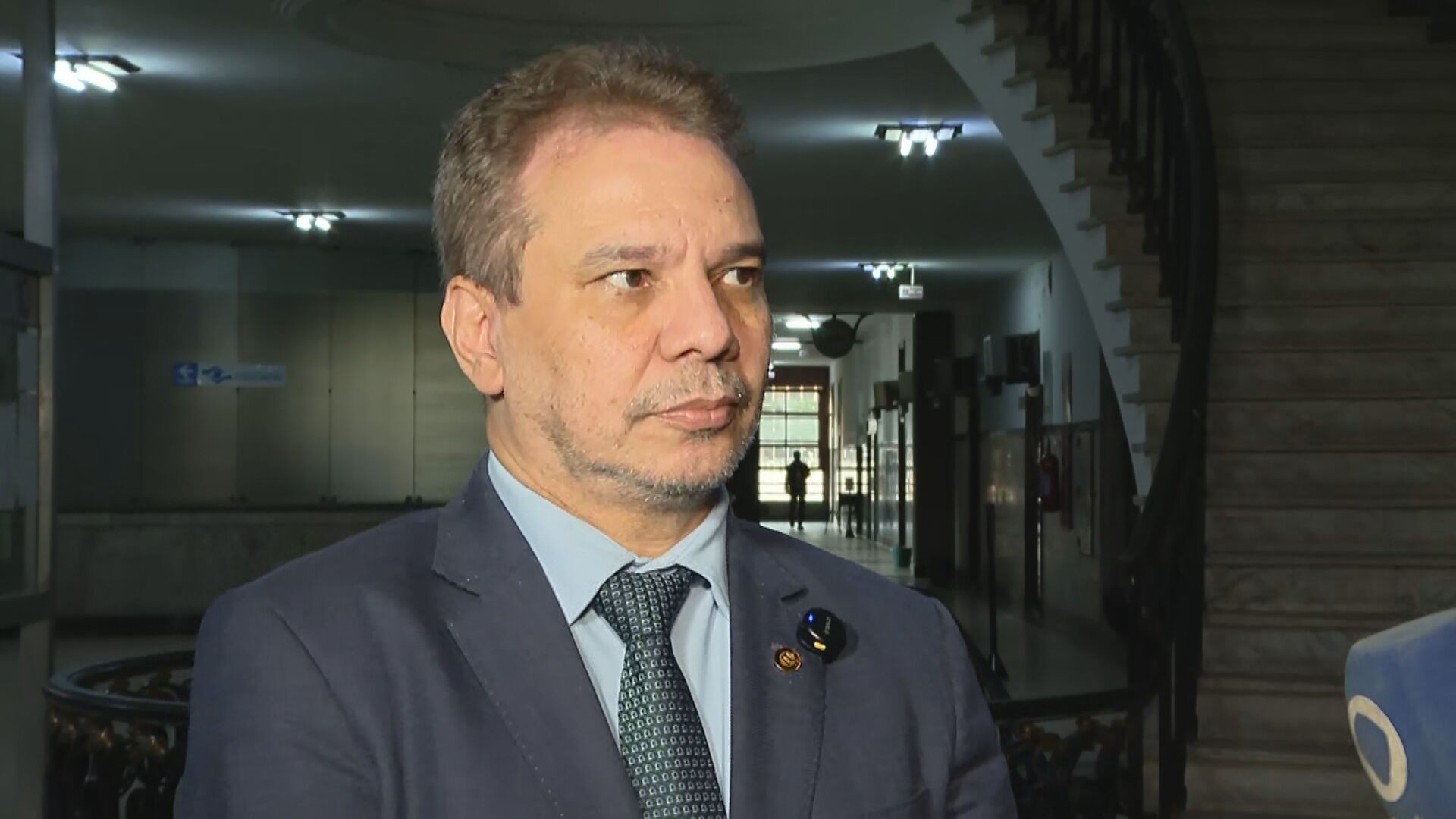
Brazil's Ministry of Justice and Public Security (MJSP) has launched a task force to investigate over 1,000 gas stations in Rio de Janeiro for potential ties to organized crime. Justice Minister Wellington César Lima announced the initiative on Tuesday, October 15th, following a strategic meeting with members of the National Anti-Racketeering Office of Rio de Janeiro (ENA-RJ). The minister emphasized that the current figures are preliminary and require confirmation through data cross-referencing among involved agencies. The meeting included approximately 20 participants from the State Public Prosecutor's Office of Rio de Janeiro, the Federal Police, and civil society, aiming to coordinate strategies against organized crime's infiltration into the formal fuel supply chain. This investigation follows a recent Federal Police operation targeting a network of gas stations suspected of laundering R$7.6 billion, which led to the arrest of senatorial pre-candidate Márcio Canella, who is now responding to charges while free. Minister Lima highlighted the sector's vulnerability to criminal organizations, describing the findings as significant. He expressed confidence in the collaborative efforts of the institutions involved, stating this was the first of several planned meetings. The task force aims to combat organized crime without disrupting fuel supply to the public, ensuring citizens are served while criminal activities are addressed. Specific criteria for the preliminary assessment, the criminal groups under investigation, and the names of implicated gas stations have not been disclosed, pending data verification.
This investigation into potential organized crime links within Rio de Janeiro's fuel sector highlights systemic vulnerabilities in the formal economy. The sheer scale of preliminary findings, suggesting over a thousand gas stations may be involved, points to sophisticated criminal networks exploiting legitimate business structures for illicit activities like money laundering. The challenge for authorities will be to dismantle these operations without causing significant disruption to the fuel supply, a critical public service. Future efforts should focus on enhancing regulatory oversight and transparency within the fuel distribution chain, potentially leveraging technology to track financial flows and identify suspicious transactions proactively. This situation underscores a broader global trend of organized crime seeking to legitimize illicit proceeds through diverse economic sectors, necessitating adaptive and collaborative enforcement strategies.
AI-generated to prompt reflection — not editorial opinion, not advice, not a statement of fact. How this works.