Brazil launches biodiversity research center to reduce pharmaceutical import dependence
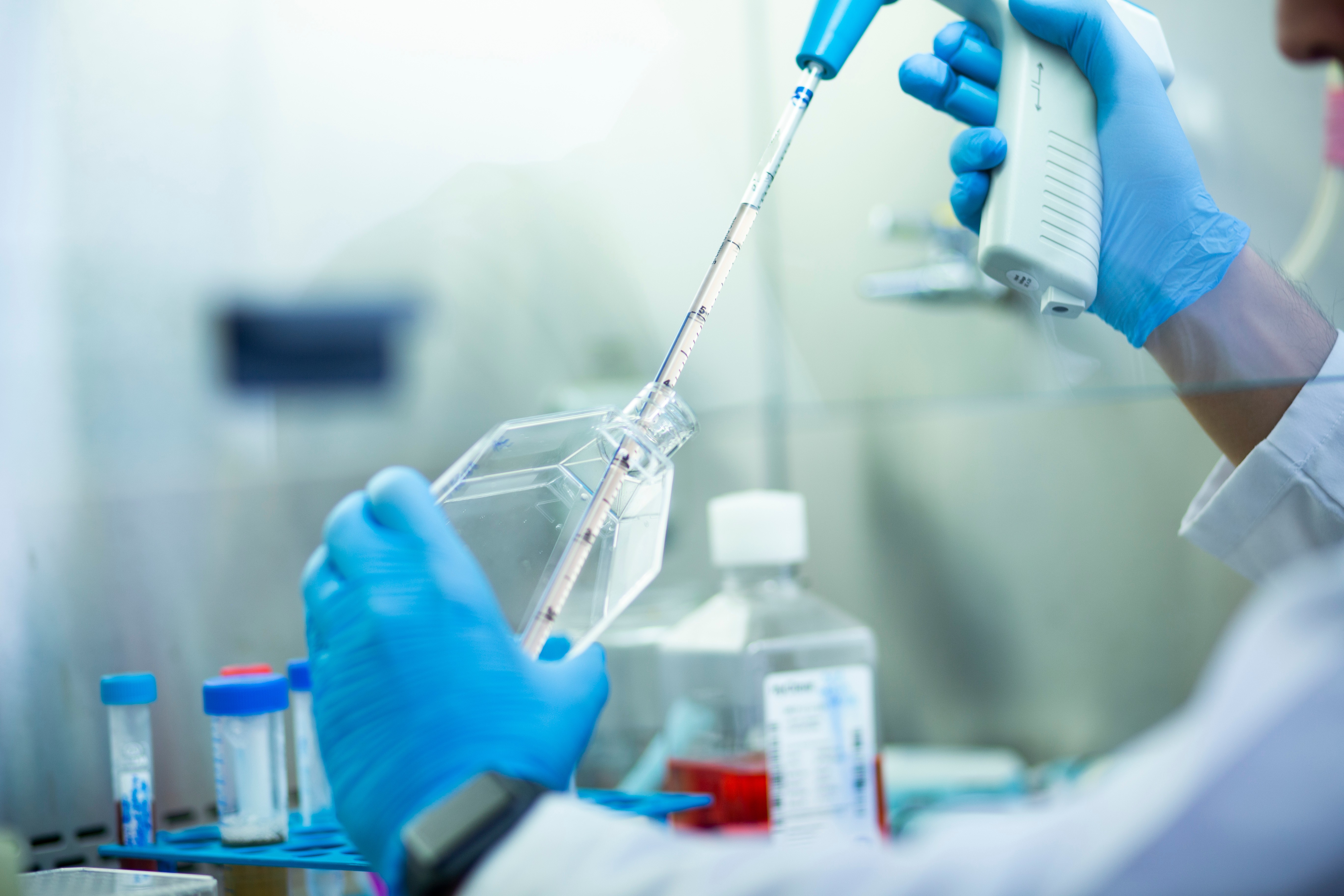
Brazil has launched a new research center, the Center of Competence in Active Pharmaceutical Ingredients from Brazilian Biodiversity (CC-IFABR), aimed at developing active pharmaceutical ingredients (APIs) from the country's rich biodiversity. This initiative seeks to reduce Brazil's long-term reliance on imported raw materials for medicine production. The CC-IFABR will be located at the National Center for Research in Energy and Materials (CNPEM) in Campinas, São Paulo, with an initial investment of R$ 60 million from the Brazilian Innovation Research Company (Embrapii) and the Ministry of Health. The project's primary goal is to identify and develop molecules from Brazilian plants, animals, and microorganisms with therapeutic potential. Currently, over 90% of APIs used by the Brazilian pharmaceutical industry are imported, with some sectors reaching 95% dependency. The first four years of the CC-IFABR will focus exclusively on initial research stages, including identifying molecules, refining them, and conducting pre-clinical studies to ensure safety and efficacy, preceding human trials. Initial research areas will concentrate on cancer treatments, particularly immunotherapy, and therapies for emerging infections. Two projects are already underway: one investigating a molecule from a Caatinga plant for immune stimulation against tumors, and another developing a molecule from a microorganism to treat sepsis. However, neither project is expected to yield a marketable drug within the center's initial timeframe due to the necessity of subsequent human trials, regulatory approval from ANVISA, and industrial-scale production development. The center also aims to address the "valley of death" in pharmaceutical development by creating efficient and sustainable production routes, utilizing automated platforms like biofoundries with robotics and AI to accelerate processes and validate them at a pilot scale. Strategies are in place to ensure that discoveries are patented and licensed preferably to Brazilian companies, with adherence to legislation regarding access to genetic heritage and benefit sharing with traditional communities and researchers.
The establishment of the CC-IFABR represents a strategic move by Brazil to enhance its pharmaceutical self-sufficiency by leveraging its unique biodiversity. While the long-term vision is commendable, the project's current lack of defined timelines and specific import reduction targets, coupled with the significant challenges of navigating the "valley of death" from discovery to market, highlights potential hurdles. The R$ 60 million investment for the initial four-year research phase, while substantial, may prove insufficient for the entire innovation pipeline, necessitating future funding rounds. The success of this initiative will depend on effective public-private partnerships, robust regulatory pathways, and the ability to translate complex scientific research into scalable, cost-effective industrial production. Future considerations should include clear metrics for success and mechanisms to accelerate the transition from pre-clinical research to market-ready pharmaceuticals, ensuring that Brazil can indeed capitalize on its biological wealth for public health benefits.
AI-generated to prompt reflection — not editorial opinion, not advice, not a statement of fact. How this works.