Brazil Launches 'Move Brasil' Program to Fund Motorcycles for Delivery Drivers and Mototaxis
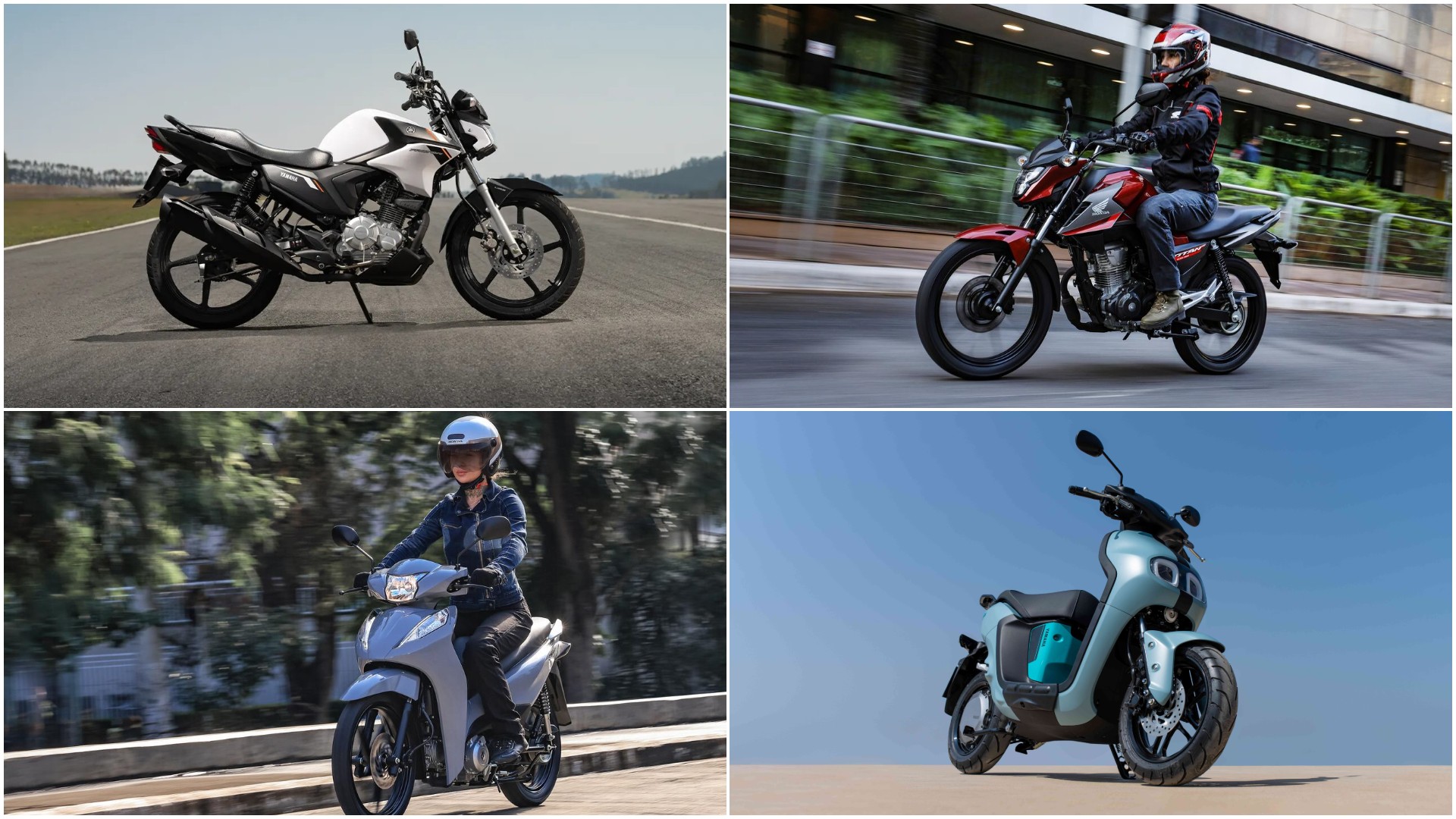
The Brazilian federal government has launched the 'Move Brasil Entregadores e Motoapp' program, designed to facilitate the financing of new motorcycles and electric bicycles for app-based delivery workers and mototaxi drivers. The initiative offers subsidized interest rates, less than half of standard market rates, through Caixa Econômica Federal, supported by the Social Infrastructure Investment Fund (FIIS) and the Operations Guarantee Fund (FGO). Eligible vehicles include flex-fuel motorcycles up to 160cc or 7,500 watts for electric models, and electric bicycles up to 1,000 watts. Crucially, vehicles must be new, flex-fuel (gasoline-only or hybrid models are excluded), and manufactured in Brazil or have a national production project underway. The program aims to finance 100,000 vehicles and also supports companies in expanding charging or battery-swapping networks for electric models. To qualify, app drivers need at least six months of platform registration and 100 completed deliveries or rides, while formally employed (CLT) workers require six months of tenure with the same company. Financing covers 100% of the vehicle's value without a down payment, with annual interest rates of 12.5% for men and 11.5% for women. The financing term for individuals is 48 months with a two-month grace period. While the program itself does not require a clean credit record, individual financial institutions may use this as a criterion for loan approval.
The 'Move Brasil' program represents a targeted governmental intervention to modernize the transportation sector and support a significant segment of the gig economy. By offering subsidized financing for new, domestically produced flex-fuel and electric two-wheelers, the initiative aims to improve working conditions and potentially accelerate the adoption of cleaner energy sources within the delivery and taxi industries. The program's structure, leveraging existing financial institutions and government funds, suggests an effort to streamline access to credit. However, its long-term impact will depend on the uptake by eligible workers, the sustainability of the subsidies, and the broader economic conditions influencing repayment capacity. Furthermore, the inclusion of electric vehicle support signals a forward-looking approach, aligning with global trends towards electrification, though the current price points for electric models may still pose a barrier for some potential beneficiaries.
AI-generated to prompt reflection — not editorial opinion, not advice, not a statement of fact. How this works.