Brazil mandates COVID-19 vaccine updates to target new SARS-CoV-2 variants
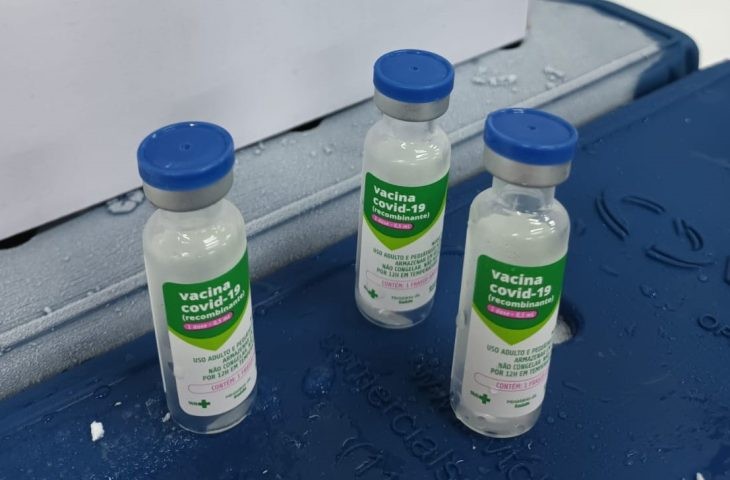
Brazil's National Health Surveillance Agency (Anvisa) has mandated updated COVID-19 vaccine compositions to address emerging SARS-CoV-2 variants. The new regulations, published in the Official Gazette, require vaccines to be monovalent, targeting specific lineages. Specifically, they must be based on the LP.8.1 strain or utilize antigens derived from the JN.1 lineage, such as XFG and NB.1.8.1. Existing vaccine formulations already produced or distributed in Brazil will remain usable for up to nine months post-update approval, unless Anvisa issues further guidance. This update mirrors practices for other respiratory viruses, where genetic changes in the virus can lead to variants that partially evade immunity from prior infections or older vaccines.
The adaptation aims to align vaccines with currently circulating virus versions, enhancing the immune system's recognition of these variants. While previous vaccines remain effective, updated versions are designed for more targeted protection against predominant lineages. Manufacturers of vaccines not meeting the new composition standards must submit specific update requests to Anvisa, including data on production, quality, laboratory studies, and, when necessary, safety and efficacy information, adhering to international standards. Anvisa will consider the vaccine's historical performance, including its use in primary immunization and booster doses.
This policy shift aligns with the strategy to manage COVID-19 evolution post-pandemic's critical phase. Instead of developing entirely new vaccines for each variant, manufacturers will adjust existing formulations. Anvisa's new rule replaces previous guidelines, establishing a standard for future COVID-19 immunizations available in Brazil.
Brazil's Anvisa is implementing a proactive public health strategy by mandating vaccine updates to match evolving SARS-CoV-2 variants. This approach acknowledges the dynamic nature of viral evolution and the necessity for adaptive immunization strategies, mirroring global trends in vaccine development for other infectious diseases. The policy aims to maintain vaccine efficacy against dominant circulating strains, thereby optimizing population-level protection. By requiring manufacturers to submit updated formulations based on specific lineages like JN.1, Anvisa encourages continuous innovation and alignment with scientific understanding of viral epidemiology. This regulatory framework supports the long-term management of COVID-19 as an endemic disease, balancing the need for effective public health interventions with the practicalities of vaccine production and distribution.
AI-generated to prompt reflection — not editorial opinion, not advice, not a statement of fact. How this works.