Brazil May Increase Ethanol Blend in Gasoline from 30% to 32%
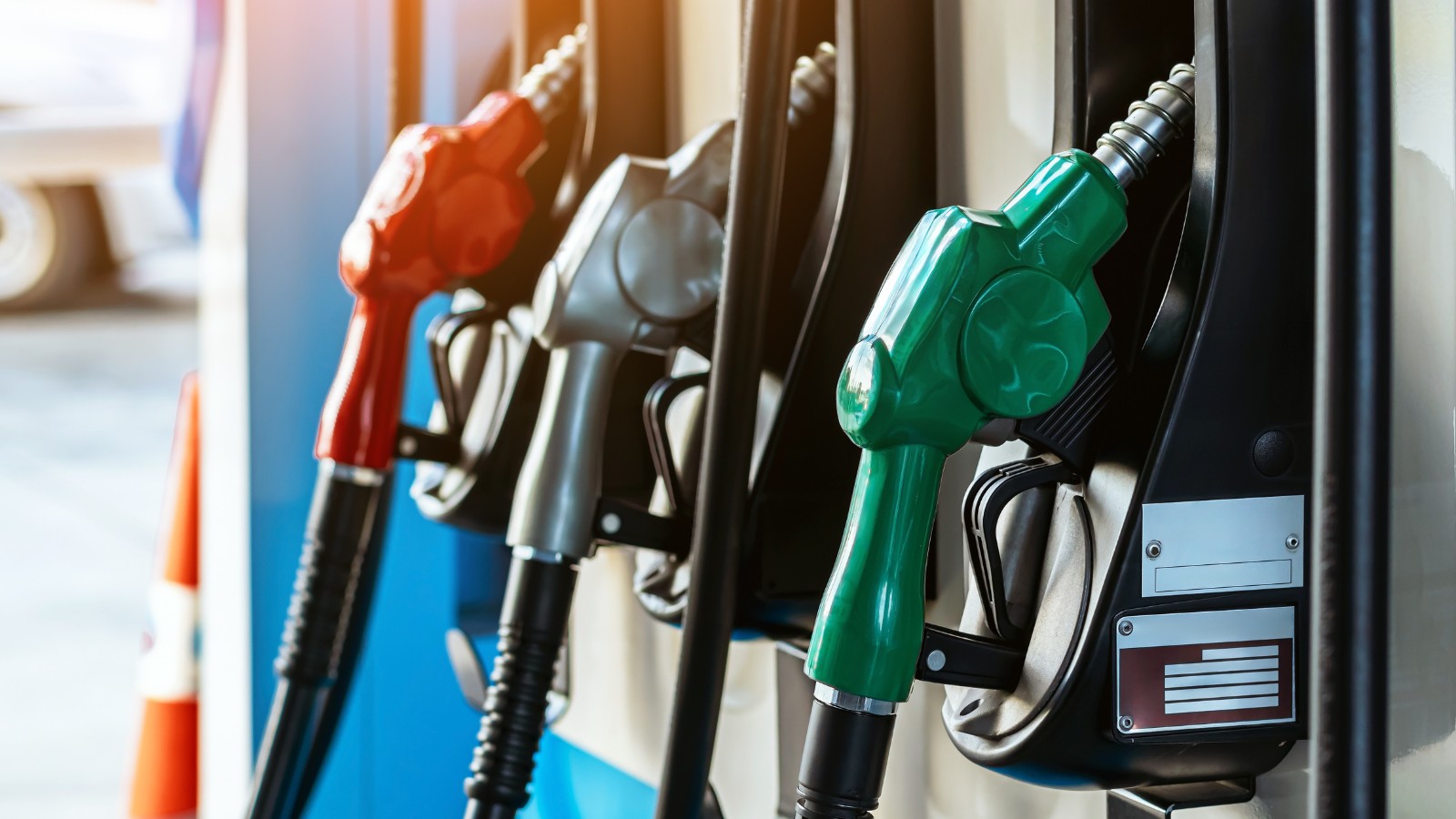
The National Council for Energy Policy (CNPE) in Brazil is expected to decide this Tuesday, June 14th, on increasing the mandatory blend of anhydrous ethanol in gasoline from the current 30% to 32%. This decision, originally anticipated in May, has been postponed three times. According to the Ministry of Mines and Energy, adopting the E32 blend could reduce monthly gasoline import needs by approximately 500 million liters, potentially making Brazil self-sufficient in fuel supply. This move is part of the "Combustível do Futuro" (Future Fuel) policy, designed to boost renewable fuel usage and decrease greenhouse gas emissions in the transport sector. The mandatory blend was last raised from 27.5% to 30% in June 2025. The Union of Sugarcane and Bioenergy Industries (Unica) views this as a continuation of Brazil's biofuel incentive policy, estimating it will increase annual demand for anhydrous ethanol by about 1 billion liters. Minister of Mines and Energy, Alexandre Silveira, asserts that technical studies support the safety of the E32 blend for the Brazilian vehicle fleet. The CNPE's decision comes amid global oil market volatility due to Middle East tensions, with the government aiming to lessen import dependency and exposure to international price fluctuations. This consideration coincides with discussions about potentially withdrawing gasoline subsidies, which were implemented to mitigate the impact of geopolitical events on domestic fuel prices.
Brazil's potential increase in ethanol blending from 30% to 32% within gasoline aligns with its stated policy of promoting renewable fuels and enhancing energy security. This strategic shift aims to reduce reliance on imported gasoline, particularly during periods of international oil price volatility influenced by geopolitical events in the Middle East. The policy leverages domestic agricultural production, specifically sugarcane, to meet energy demands, thereby fostering economic activity in the biofuel sector. However, the long-term sustainability of such mandates requires careful consideration of agricultural capacity, potential impacts on food prices, and the evolving landscape of vehicle technology, including electric mobility. Evaluating the economic trade-offs between biofuel subsidies, import costs, and domestic production incentives will be crucial for ensuring a balanced and resilient energy future.
AI-generated to prompt reflection — not editorial opinion, not advice, not a statement of fact. How this works.