Brazil Minister Calls US Forced Labor Tariffs 'Undue' and Factually Incorrect
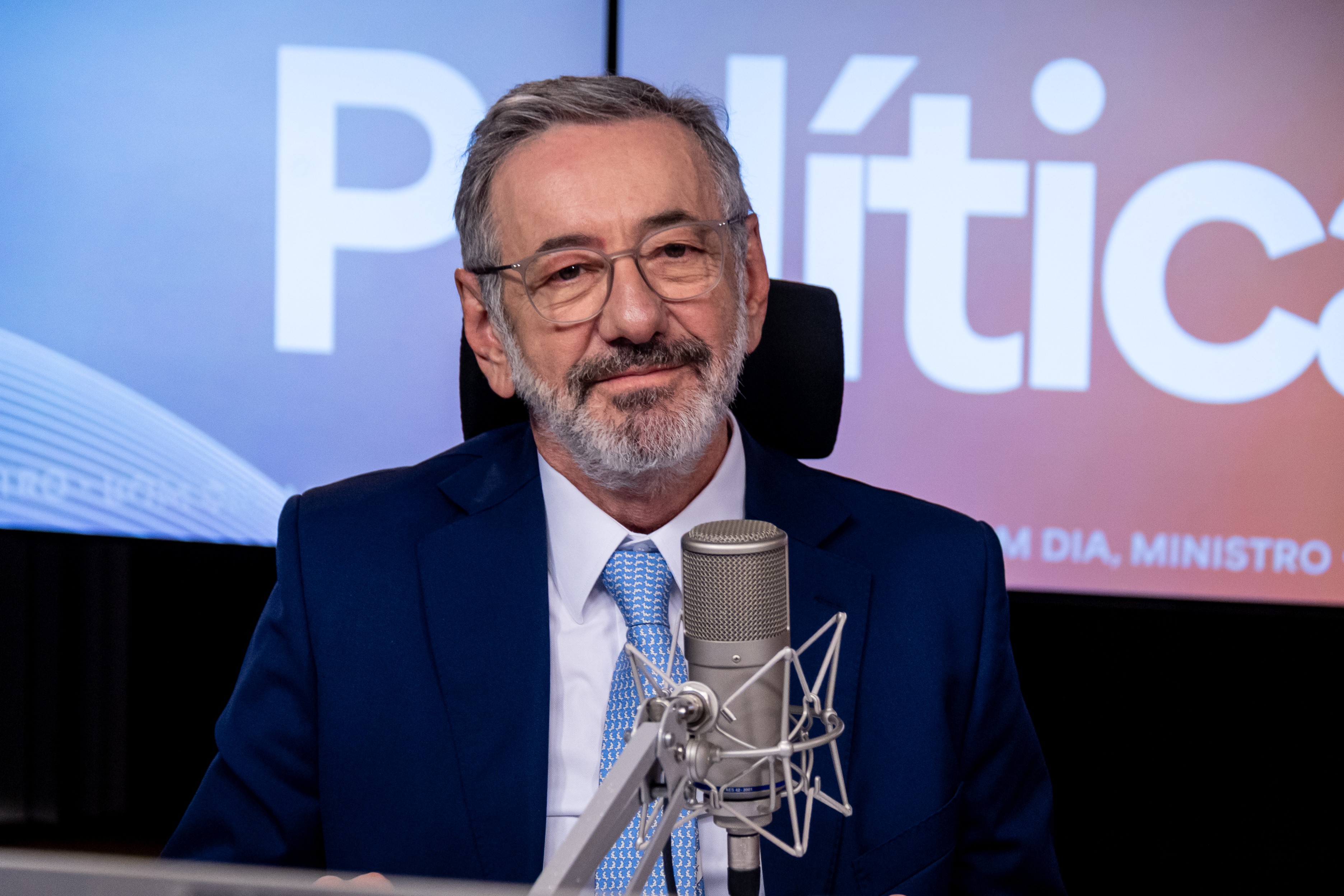
Brazil's Minister of Development, Industry, and Trade, Márcio Elias Rosa, has declared the 12.5% tariff imposed by the United States on Brazilian goods as "undue" and based on "untrue facts." The U.S. announced this new tariff on Thursday, May 23, citing Brazil's alleged failure to prohibit and police the import of goods produced with forced labor. Minister Elias Rosa asserted that Brazil has a long-standing commitment to combating forced labor, including prevention, control, inspection, and victim support, and adheres to all International Labour Organization instruments. While approximately two thousand Brazilian export products will be exempt from both the new 12.5% tariff and a previous 25% tariff, many sectors will face a combined 37.5% tax. These include footwear, machinery, equipment, parts, components, non-pharmaceutical chemicals, and apparel. This decision stems from a U.S. investigation under Section 301 of the Trade Act, which concluded that these countries engage in unfair trade practices by not adequately prohibiting or inspecting goods made with forced labor. The U.S. Trade Representative's office (USTR) stated that Brazil is among countries that "failed to effectively enforce a prohibition on imports of goods produced with forced labor." The Brazilian government plans to utilize reciprocity laws to counter what it deems "unjust situations." Brazil had previously expressed profound disagreement with the USTR's findings last month, anticipating the new tariff and questioning its cumulative nature with the existing 25% levy.
The U.S. imposition of tariffs, framed around combating forced labor, creates a complex trade dynamic. While the stated goal of eradicating forced labor is laudable, the application of tariffs can have significant economic repercussions for targeted nations and may be viewed by some as a protectionist measure disguised as an ethical imperative. Brazil's response, invoking reciprocity, highlights the potential for retaliatory measures and escalating trade disputes. This situation underscores the tension between national trade policies, international labor standards, and the potential for economic leverage in geopolitical relations. Future trade agreements and dispute resolution mechanisms will need to navigate these intricate balances to foster fair trade and uphold human rights without unduly disrupting global markets or creating undue burdens on developing economies.
AI-generated to prompt reflection — not editorial opinion, not advice, not a statement of fact. How this works.