Brazil Nears China's Beef Quota Limit, Leading to Reduced Slaughter
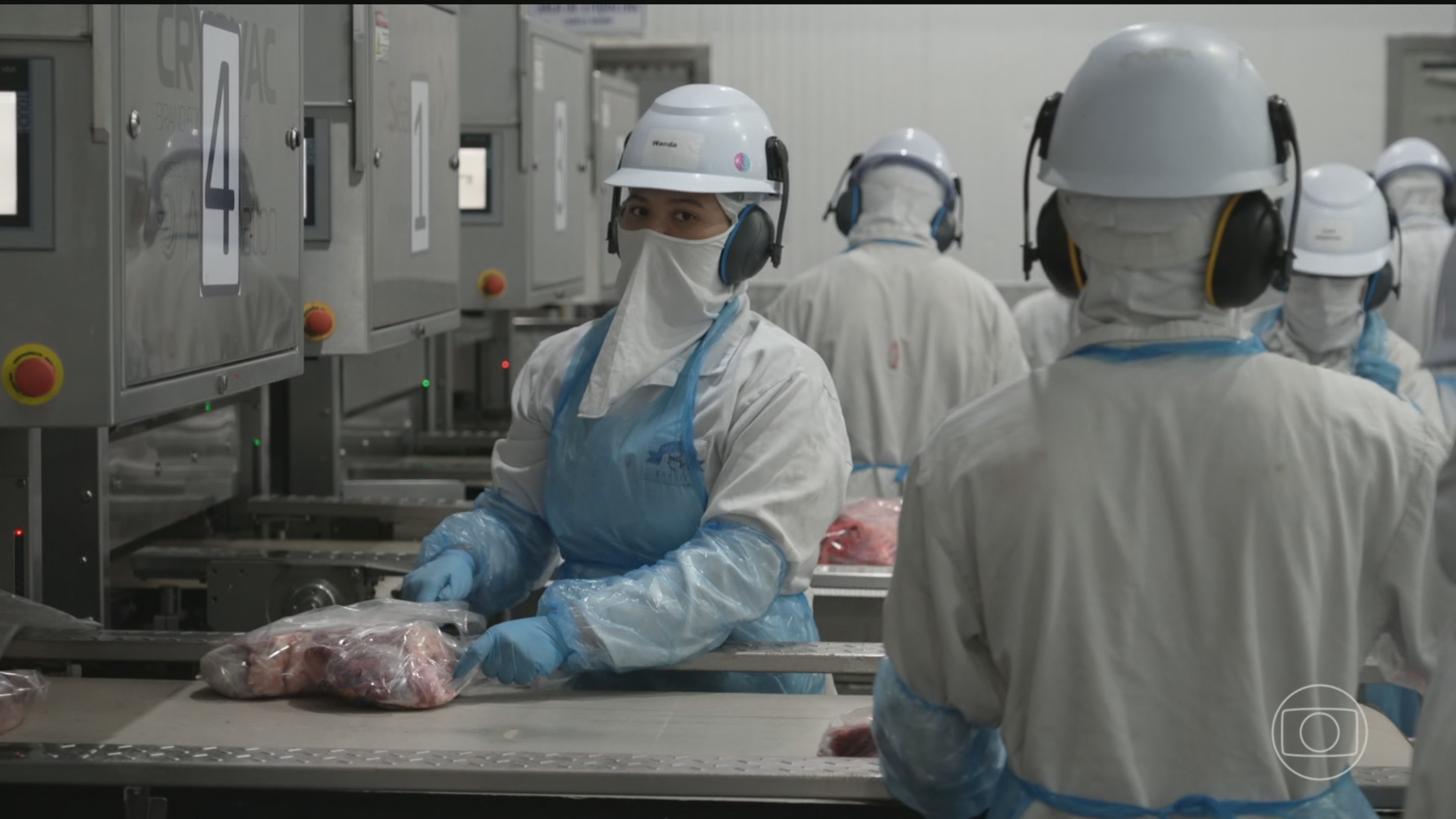
Brazil has nearly reached its annual beef export quota for China, filling 98.5% of the 1.1 million-ton tariff-free allowance by June. This milestone has prompted Brazilian meatpackers to scale back cattle slaughter, particularly affecting volumes expected for the third quarter. China, the largest importer of Brazilian beef, implemented this quota to safeguard its domestic production, imposing a higher 55% tariff on volumes exceeding the limit. While 98.5% of the quota was accounted for by shipments from November of the previous year through June 30th, only 72% had effectively landed in China by that date. The remaining balance is expected to be filled by August, considering the typical 45-day transit time. In response to this quota exhaustion, some meatpacking plants in Mato Grosso have initiated mass collective leave. Despite this slowdown, Brazilian beef exports reached a record 1.705 million tons in the first half of 2026, generating $9.85 billion in revenue, according to Abiec. This surge was partly driven by the Chinese quotas, with expectations that exports to China will resume in the fourth quarter as the 2027 quota begins. Brazil is not alone; Australia has also exhausted its quota, meaning major suppliers will be absent from the Chinese market from mid-third quarter onwards. While Argentina, Uruguay, and the United States have remaining quota space, their capacity to fill it is uncertain due to limited export availability.
The near-completion of Brazil's beef export quota to China highlights the significant influence of bilateral trade agreements and import quotas on global agricultural supply chains. This situation underscores the delicate balance between a major exporter's production capacity and a key importer's domestic market protection policies. As major suppliers like Brazil and Australia approach their limits, market dynamics may shift, potentially creating opportunities for other nations or leading to price fluctuations. The reliance on such quotas, while serving specific national interests, can introduce volatility and necessitate strategic adjustments in production and export planning for all involved parties, especially in an era where food security and stable trade are paramount.
AI-generated to prompt reflection — not editorial opinion, not advice, not a statement of fact. How this works.