Brazil pioneers AI-monitored cow collateral for loans
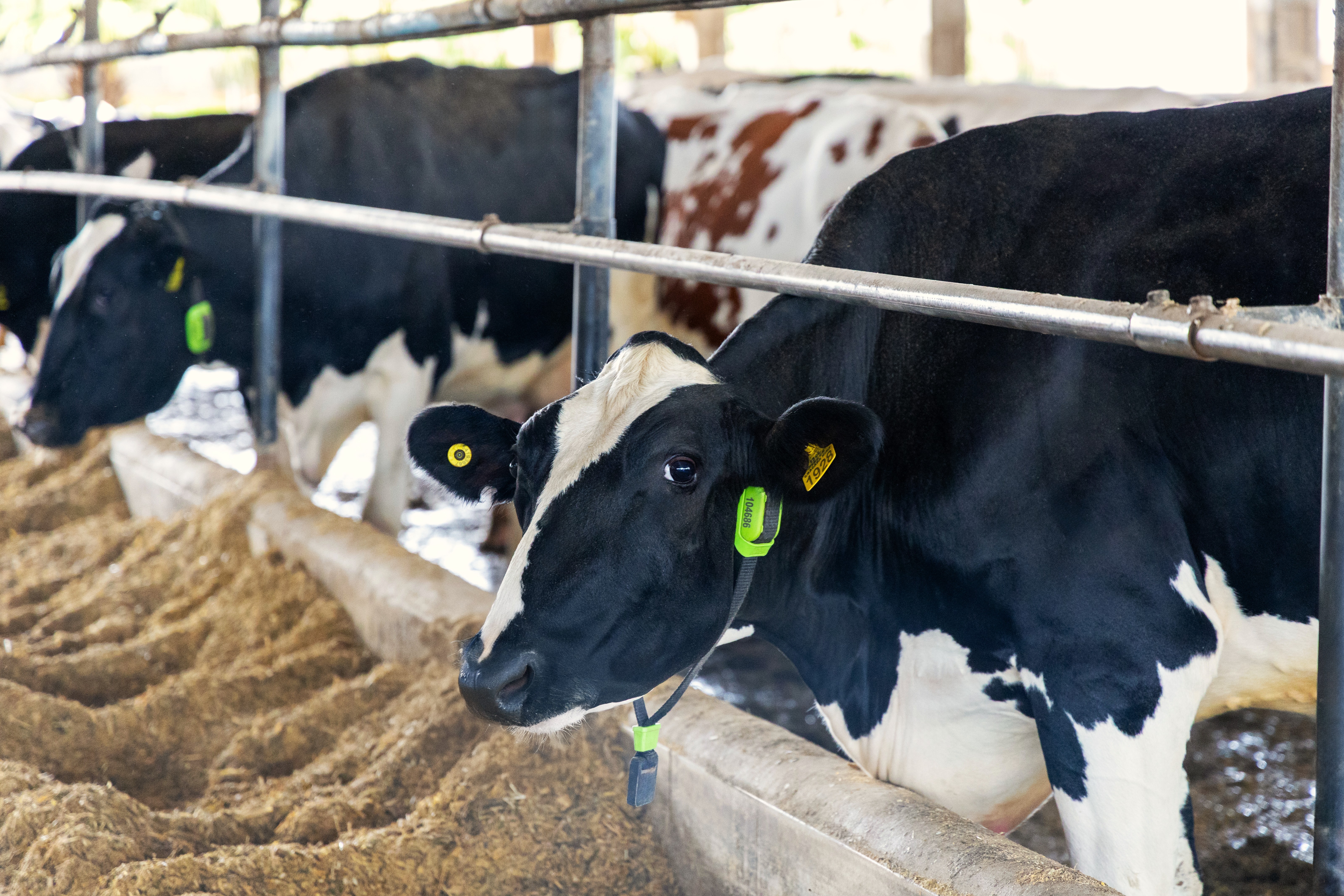
Brazil has conducted its first credit operation using tokenized cattle as collateral, a groundbreaking move facilitated by artificial intelligence (AI) monitoring technology. This innovation aims to make livestock a more attractive guarantee for financial institutions, addressing long-standing issues of risk and transparency. Traditionally, using animals as loan collateral has been problematic for banks due to difficulties in verifying their location and health status. This often led to reduced collateral values or increased loan costs to compensate for perceived risks. The new system utilizes AI-powered collars developed by Cowmed, which continuously monitor each cow's health, behavior, and location. These "smart collars" track feeding, rumination, respiration, temperature, and movement, allowing AI to predict the animal's well-being and identify potential illnesses. The data provides lenders with enhanced security, mitigating the uncertainties that previously plagued such transactions. In the inaugural operation, ten cows valued at R$ 120,000 served as collateral for a R$ 100,000 loan to the Engenho Velho farm in Belo Horizonte, Minas Gerais. The tokenization process, recorded on the B3 exchange, creates a unique, immutable digital record on the blockchain, preventing the same animal from being used as collateral for multiple loans. This system offers greater liquidity and transparency compared to traditional collateral like vehicles or real estate, potentially making livestock a more favorable guarantee in the financial market.
AI-driven monitoring of livestock as loan collateral represents a significant leap in financial innovation, potentially democratizing access to credit for agricultural producers. By embedding verifiable data into the collateralization process, this system addresses information asymmetry, a common challenge in traditional lending. The application of blockchain technology further enhances security and prevents double-pledging, aligning with the increasing digitization of assets. Looking ahead, the integration of such technologies could foster more robust financial ecosystems for the agricultural sector, reducing reliance on physical assets and improving risk assessment. This model's success may encourage broader adoption, prompting financial institutions to re-evaluate asset classes previously deemed too risky or illiquid for effective collateralization, thereby spurring economic development in rural areas.
AI-generated to prompt reflection — not editorial opinion, not advice, not a statement of fact. How this works.