Brazil Police Allege Senator Pacheco Met With Probe Subject Over INSS Appointment
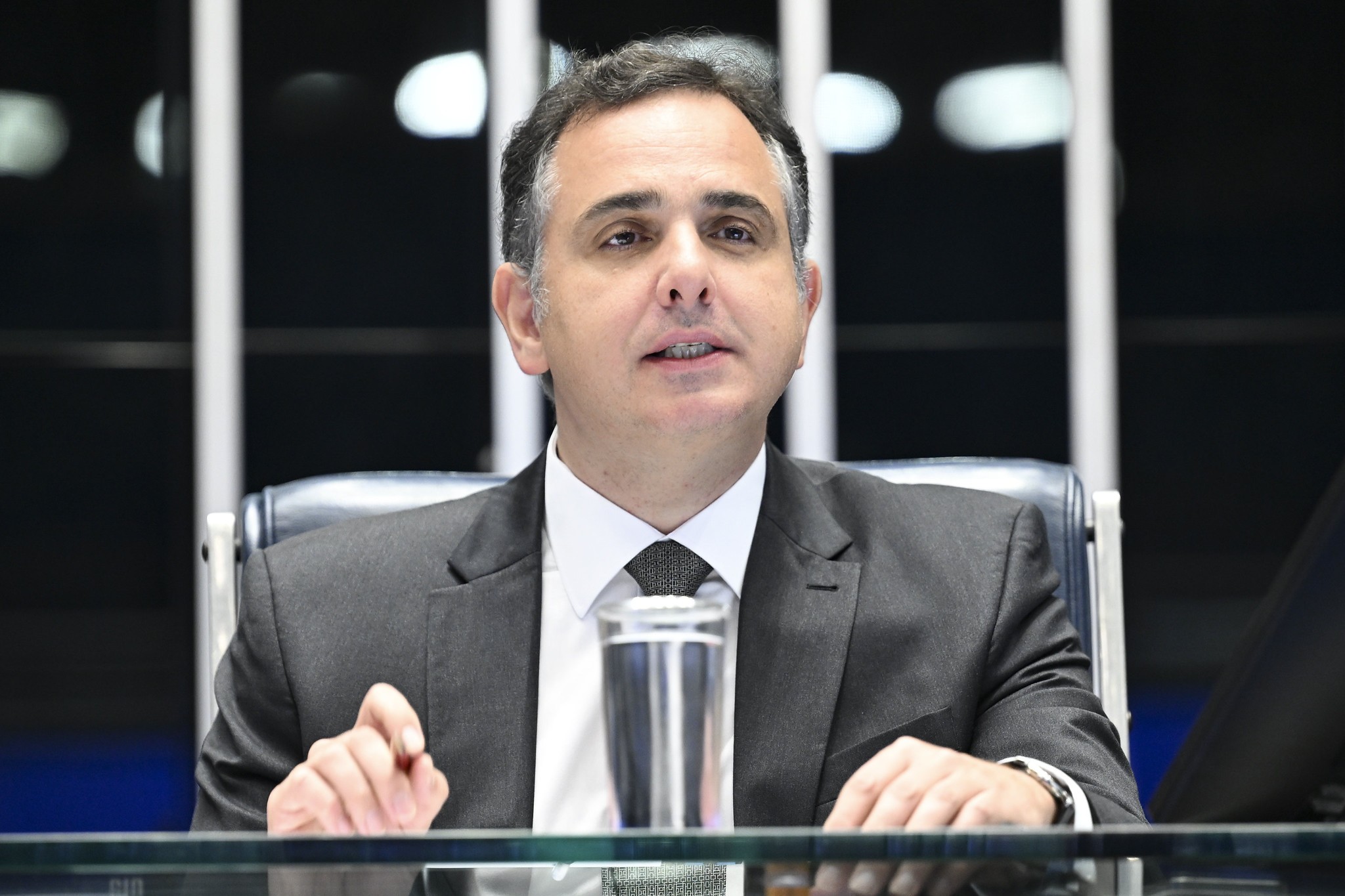
Brazil's Federal Police (PF) claim that Carlos Lopes, president of the National Confederation of Family Farmers and Rural Family Entrepreneurs (Conafer) and a subject of the "Sem Desconto" operation, met with then-Senate President Rodrigo Pacheco in 2023. The meeting, allegedly organized by federal deputy Euclydes Pettersen, reportedly discussed the appointment of the president of the National Social Security Institute (INSS). The PF's report, which details the indictment of 48 individuals, suggests this appointment was crucial for facilitating an alleged scheme of undue deductions from INSS pensions and benefits. Lopes, who is currently a fugitive and indicted for criminal organization, aggravated money laundering, and active corruption, allegedly sought to ensure favorable appointments to protect the fraudulent operation. The PF's findings indicate that Glauco André Fonseca Wamburg was appointed INSS president the day after Pacheco's election as Senate President, serving until July 11, 2023. Senator Pacheco has vehemently denied the allegations, stating he has never met Carlos Lopes or discussed any INSS appointments. He asserts that the PF's report likely conflates his election as Senate President with unrelated matters and that any reference to meeting individuals does not include him. Deputy Pettersen, also indicted, was subject to search and seizure in November 2025 as part of the same investigation, suspected of receiving bribes to protect the fraudsters.
The Federal Police's allegations raise questions about the integrity of public appointments within Brazil's social security system. The PF's report suggests a potential nexus between agricultural associations, political figures, and the manipulation of INSS leadership for illicit gains. This situation highlights the critical need for robust oversight mechanisms to prevent undue influence on institutional appointments, particularly those affecting public funds and citizen benefits. Examining the incentive structures that might encourage such alleged collusion, alongside the effectiveness of current anti-corruption frameworks, will be crucial for safeguarding public trust and ensuring equitable administration of social programs in the long term. The PF's findings, pending review by the Prosecutor-General's Office, underscore the ongoing challenges in maintaining transparency and accountability within complex bureaucratic systems.
AI-generated to prompt reflection — not editorial opinion, not advice, not a statement of fact. How this works.