Brazil Police Cancel Senator's Testimony in Defamation Probe Against President Lula
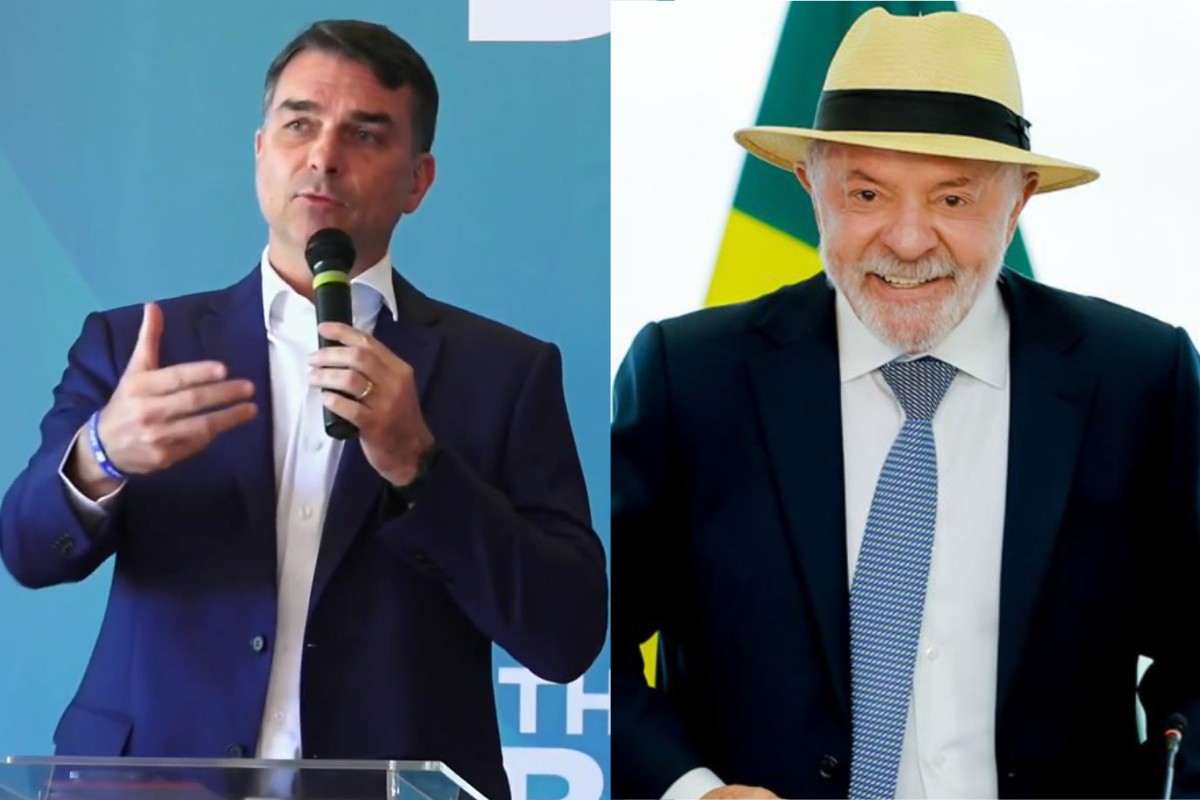
The Federal Police (PF) in Brazil has canceled the testimony of Senator Flávio Bolsonaro, who was scheduled to appear on Tuesday, May 28th. The investigation concerns allegations of defamation against President Luiz Inácio Lula da Silva. Bolsonaro's defense team submitted written clarifications to the PF, which will now analyze the information to determine its sufficiency for the inquiry. The investigation stems from a social media post made by Bolsonaro on January 3, 2026, where he linked images of President Lula to Venezuelan President Nicolás Maduro and suggested Lula would be implicated in crimes. The post listed offenses such as international drug and arms trafficking, money laundering, support for terrorists and dictatorships, and electoral fraud. Bolsonaro's lawyers argue that the publication does not constitute a crime, asserting that no false facts were attributed to the President. The testimony had been scheduled by Supreme Court Minister Alexandre de Moraes, following a favorable recommendation from the Attorney General's Office (PGR). The PF had initially stated that Bolsonaro's post falsely attributed crimes to President Lula, implying these were offenses Lula would be accused of. Minister Moraes had previously agreed with the PGR's request for the hearing and noted that the defense had not provided reasons for not being available during the initially proposed times. The defense maintains that the post contained factual news followed by independent commentary, with one comment being a future prediction and the other referencing accusations against Maduro made by U.S. authorities. They contend that defamation requires the attribution of a specific, false fact, which they argue did not occur. The defense also pointed out that the inquiry was not initiated by the alleged victim and that President Lula had not been heard. They criticized the investigation's process, claiming requests for evidence to demonstrate the post's notoriety and the political relationship between Lula and Maduro were denied. The defense asserts that Bolsonaro's statements are part of political debate and relate to widely discussed public positions and political affinities, and that comparisons between Lula and Maduro in political criticism do not constitute defamation, protected by freedom of expression. Bolsonaro expressed confidence in institutions but concern over the judicialization of political disputes and restrictions on free speech.
The cancellation of Senator Flávio Bolsonaro's testimony, following the submission of written defenses, highlights the procedural complexities and legal interpretations surrounding online political discourse. This event underscores the tension between freedom of expression and the potential for defamation, particularly when political figures engage in strong rhetoric and comparisons. The investigation's focus on whether specific, false facts were attributed to President Lula, as opposed to commentary or opinion, reflects a critical distinction in defamation law. The defense's argument that the statements fall within the bounds of political debate and are protected by free speech principles invites consideration of how legal frameworks adapt to the digital age. Future developments may clarify the boundaries of acceptable political criticism online, influencing how such exchanges are regulated and perceived within democratic societies.
AI-generated to prompt reflection — not editorial opinion, not advice, not a statement of fact. How this works.