Brazil Police Destroy 45 Illegal Mining Camps in Pará State
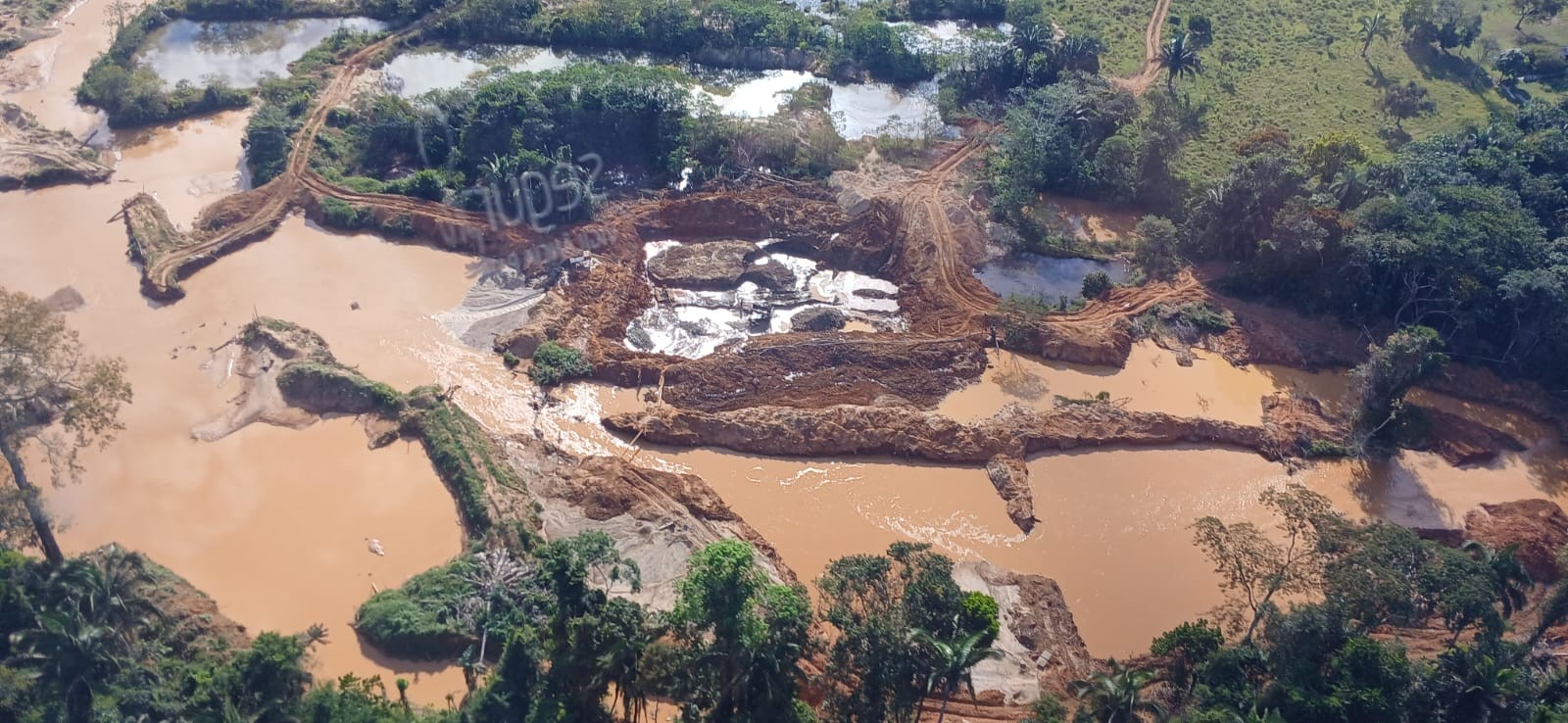
Federal Police in Brazil have dismantled 45 clandestine camps used for illegal gold and copper mining within the Igarapé Gelado Environmental Protection Area in southeastern Pará. The operation, named "Extractio II," took place between July 14 and 17 and also resulted in the neutralization of heavy machinery and fuel supplies. In Parauapebas, within the protected area and near Vila Sansão, authorities destroyed 42 camps, rendered 20 stationary engines unusable, and destroyed four hydraulic excavators while seizing one. They also disposed of over 2,100 liters of diesel and gasoline, seized a flatbed truck used for transporting heavy equipment, and destroyed four motorcycles and various weapons, including a firearm. Additionally, approximately 200 grams of marijuana were incinerated.
The operation's second phase in Canaã dos Carajás targeted illegal copper extraction. Agents deactivated eight deep mining shafts, destroyed three more clandestine camps, and rendered two crushers unusable. One hydraulic excavator was destroyed, and another was seized and placed under custodial deposit. Approximately 1,000 liters of diesel fuel were rendered unusable, and two three-phase power transformers were seized. The operation also involved the destruction of about 3 cubic meters of castanheira wood, a protected tree species. The destruction of assets like camps, engines, fuel, and excavators is a legal measure when removal from protected forest areas is not feasible or safe, following applicable environmental safety protocols.
This operation highlights the persistent challenge of illegal mining in environmentally sensitive regions of Brazil, particularly within protected areas. The strategy of destroying equipment and infrastructure directly at the extraction sites aims to deter future illicit activities by increasing the cost and difficulty for perpetrators. However, the repeated need for such large-scale enforcement actions suggests that the underlying economic incentives and governance gaps enabling illegal mining remain potent. Future efforts may benefit from exploring more sustainable economic alternatives for local communities and strengthening regulatory oversight and enforcement mechanisms to prevent the re-establishment of these clandestine operations and their associated environmental degradation.
AI-generated to prompt reflection — not editorial opinion, not advice, not a statement of fact. How this works.