Brazil Police Investigate 7 Companies for Alleged Fraud in Pensioner and Public Servant Loans
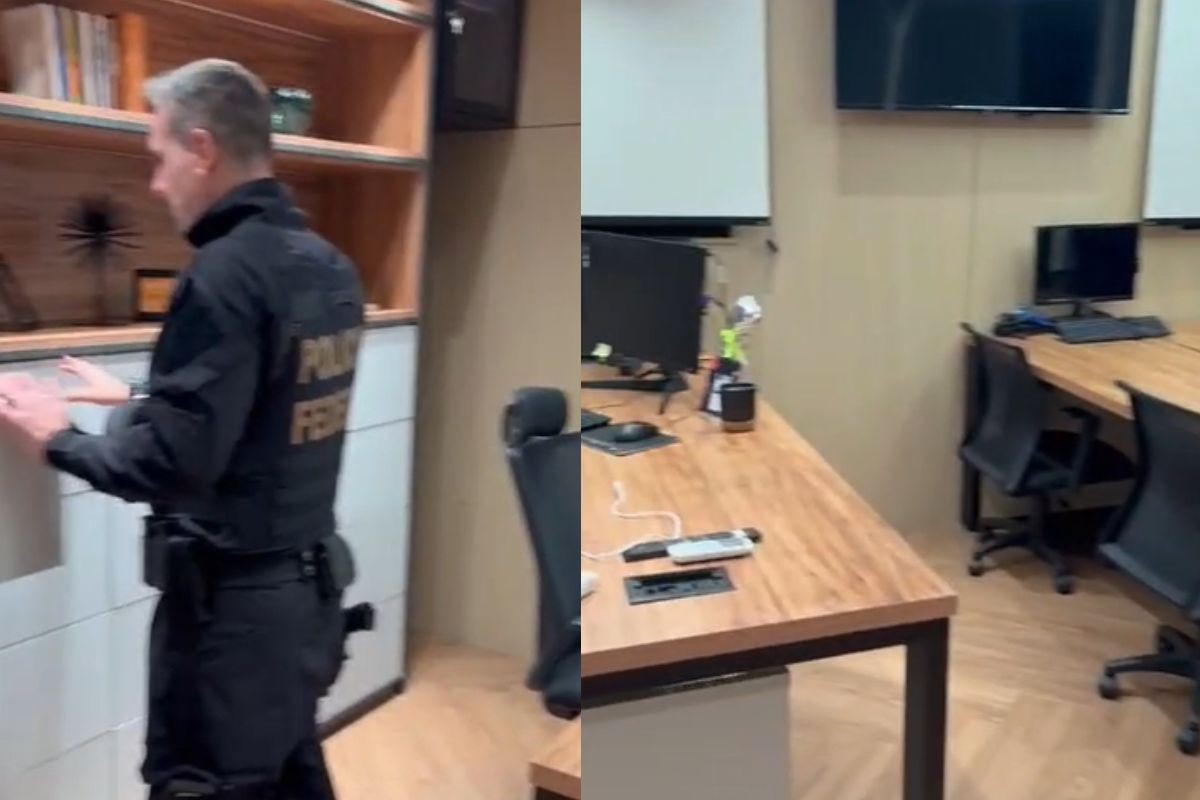
Brazilian Federal Police have launched "Operation Fugazi" to investigate seven companies suspected of defrauding public servants, retirees, and pensioners in Mato Grosso through fraudulent "consignado" (payroll-deducted) credit card schemes. The operation, which involved 13 search and seizure warrants executed in Mato Grosso, São Paulo, and Rio Grande do Sul, targets Capital Consig and other entities within its financial group. Investigators allege these companies offered credit cards that functioned as loans with unfavorable terms, leading to inflated debts and difficulties in repayment for consumers. The scheme allegedly involved high interest rates, recurring payroll deductions, and a lack of transparency regarding the actual loan conditions. The Federal Justice system has also ordered the freezing of assets and values belonging to those under investigation, including movable and immovable property. Among the targeted companies are Clickdigital Participações S.A., Clickbank Instituição de Pagamentos Ltda., Bemcardes Benefícios S.A., ABCCARD Cartões Ltda., Quiz Holding Ltda., and Cartos Sociedade de Crédito Direto S.A. The investigation was initiated following complaints from public servant unions in Mato Grosso, who reported potential irregularities in how Capital Consig and related firms marketed their payroll-deducted credit products. These complaints highlighted issues such as the absence of physical cards, unreceived statements, and "tele-withdrawal" operations that complicated debt reduction. The probe also examines suspicions of crimes against the National Financial System and money laundering. While Capital Consig expressed surprise and called the operation unnecessary, stating its commitment to transparency, the investigation continues, with both the Federal Public Ministry and the State Public Ministry involved in civil and criminal inquiries.
This operation highlights systemic vulnerabilities in the oversight of financial products offered to vulnerable populations, such as public servants and retirees. The alleged use of disguised credit facilities with unfavorable terms points to potential market failures where information asymmetry and coercive sales practices may exploit consumer trust. Future regulatory frameworks may need to enhance transparency requirements for all credit products, particularly those utilizing payroll deductions, and strengthen enforcement mechanisms to deter fraudulent schemes. The investigation's origin in union complaints underscores the importance of civil society and advocacy groups in identifying and reporting financial misconduct, prompting a need for robust channels for such feedback within regulatory bodies.
AI-generated to prompt reflection — not editorial opinion, not advice, not a statement of fact. How this works.