Brazil Police Postpone Testimony of Political Party Leader in Emenda Probe
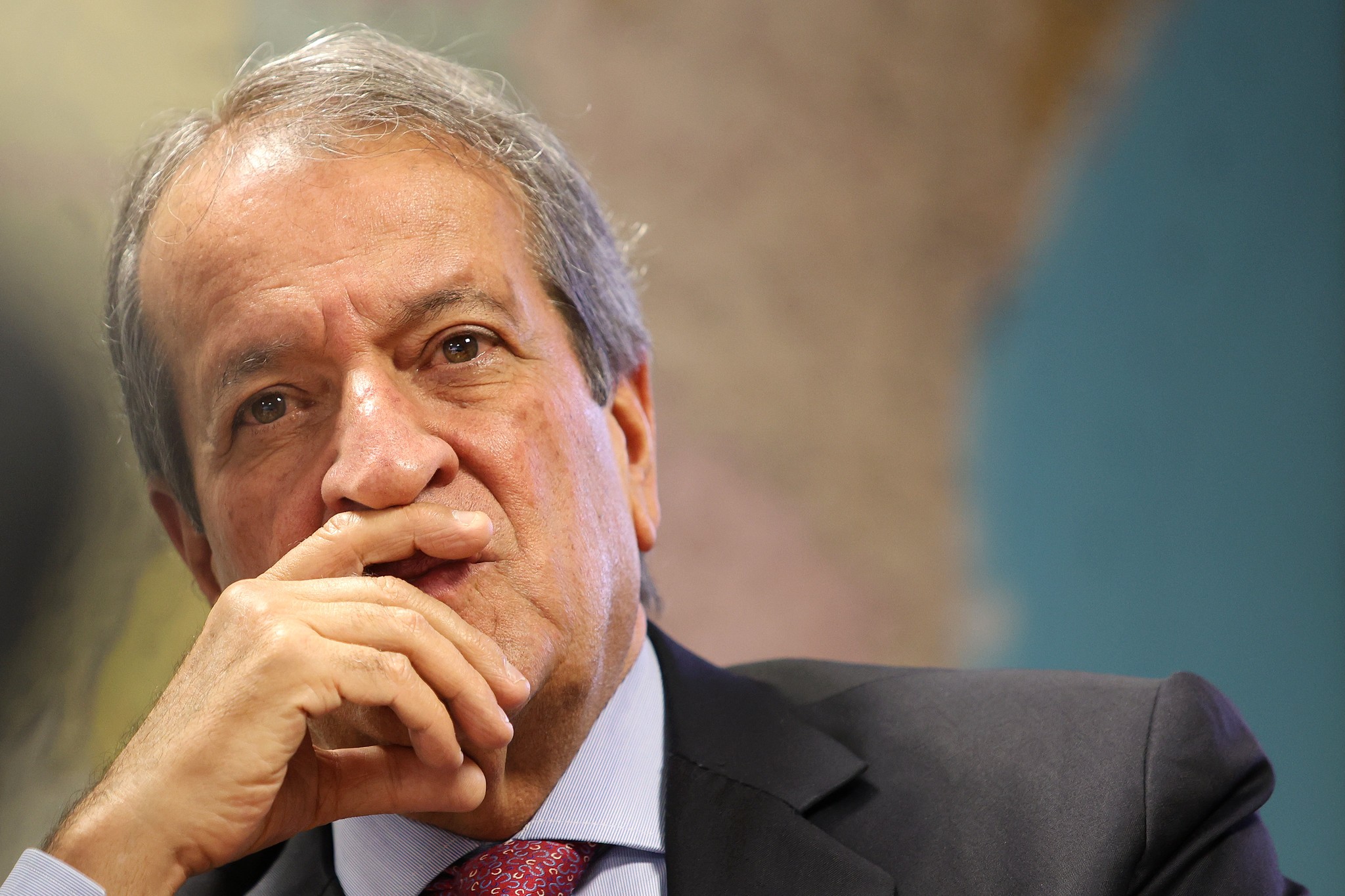
Brazil's Federal Police have postponed the scheduled testimony of Valdemar Costa Neto, the president of the Liberal Party (PL), concerning alleged irregularities in the allocation of parliamentary amendments. The deposition, initially set for Monday, July 3rd, was rescheduled at the request of Costa Neto's legal team. A new date has not yet been announced, and his defense has declined to comment on the ongoing investigation. In July, Supreme Federal Court (STF) Minister Flávio Dino ordered the suspension of parliamentary amendments reportedly indicated improperly by Costa Neto. The Federal Police stated that Costa Neto, a former federal deputy, is not authorized to direct public funds through parliamentary amendments, as this is a prerogative of current deputies and senators. Investigators allege that employees of the Chamber of Deputies participated in a clandestine scheme to allocate at least 21 parliamentary amendments, totaling R$ 119.2 million, according to Costa Neto's interests. Minister Dino's July decision also froze Costa Neto's assets up to R$ 119.2 million. At the time, Costa Neto denied any wrongdoing and argued that party leaders should have a say in amendment allocations, citing their national perspective on party needs compared to individual deputies' local focus. He also confirmed that other party presidents engage in similar practices.
This situation highlights the complex interplay between political party leadership, legislative prerogatives, and public fund allocation in Brazil. The investigation into parliamentary amendments suggests potential governance challenges where party influence may supersede established legislative processes. The Federal Police's assertion of irregularity, based on Costa Neto's former status as a deputy, points to a potential conflict between party operational norms and legal frameworks governing public resource distribution. The substantial sum involved and the freezing of assets underscore the seriousness of the allegations. Moving forward, clarity on the precise legal boundaries for party leaders in influencing amendment destinies will be crucial for ensuring transparency and accountability in public spending, particularly as Brazil navigates evolving political dynamics and the increasing demand for efficient resource management.
AI-generated to prompt reflection — not editorial opinion, not advice, not a statement of fact. How this works.
