Brazil Prepares for US Tariffs Amid Unfavorable Outlook and Political Strategy
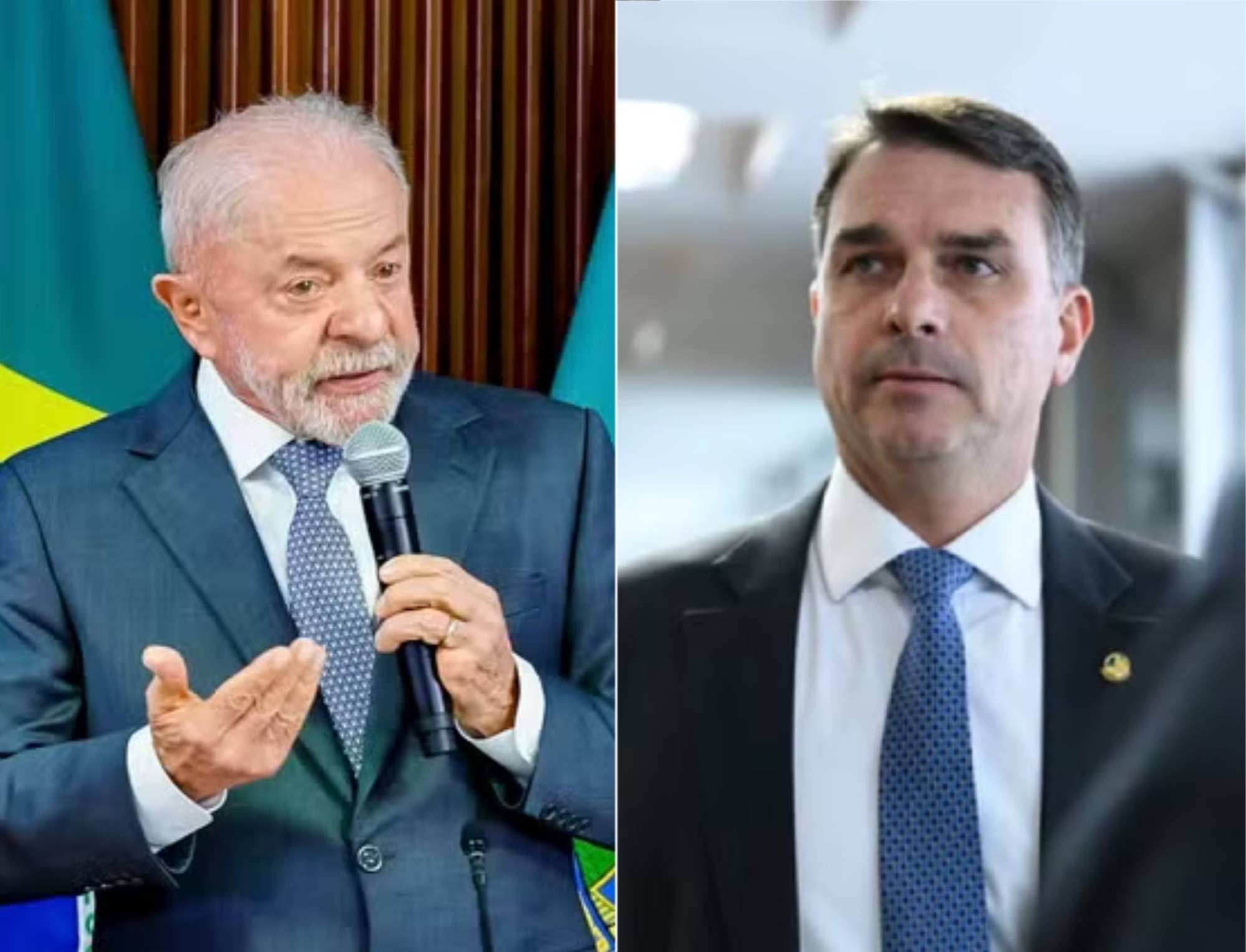
Despite President Lula's public stance, Brazilian government officials are preparing for an unfavorable outcome regarding potential U.S. tariffs, acknowledging the unlikelihood of preventing their implementation. Internally, the focus has shifted to formulating a response and planning post-tariff actions. The U.S. decision deadline is Wednesday, February 15th. Brazil pursued diplomatic negotiations and intergovernmental discussions to find a resolution. However, Brazilian technicians believe the U.S. invocation of Section 301 strengthens the legal basis for any American decision, making the dispute more challenging. The government perceives the U.S. decision as politically driven, with technical arguments from Brazil not gaining traction. Key Brazilian issues like Pix and ethanol are considered non-negotiable by the government. Beyond institutional responses, the Lula administration plans to leverage the situation for political gain during the upcoming election campaign. The strategy involves linking the tariffs to the actions of the opposition, particularly Senator Flávio Bolsonaro, who is a presidential candidate. Senator Bolsonaro's letter to the U.S. government requested a delay rather than a cancellation of the tariffs, which the Lula government interprets as an attempt to postpone the measure's impact until after the election. His visit to the U.S. for a public hearing to present his arguments will also be highlighted. The government intends to use Flávio Bolsonaro's and Deputy Eduardo Bolsonaro's statements on Pix to argue that opposition sectors contributed to U.S. pressure against Brazil. Anticipating a lack of technical victory, the government sees an opportunity to convert this trade dispute into an electoral asset and achieve political gains from its response.
The Brazilian government's strategic pivot from technical negotiation to political leverage in anticipation of U.S. tariffs highlights a common dynamic where international trade disputes intersect with domestic political cycles. By framing the tariff imposition as a politically motivated action influenced by opposition figures, the administration aims to consolidate national sentiment and mobilize electoral support. This approach, while potentially effective for short-term political gains, risks escalating trade tensions and may overshadow the underlying economic and technical merits of the dispute. Looking ahead, the interplay between geopolitical pressures, national industrial policy, and electoral imperatives will likely intensify, requiring sophisticated governance frameworks to navigate these complex, multi-layered challenges effectively.
AI-generated to prompt reflection — not editorial opinion, not advice, not a statement of fact. How this works.