Brazil Prepares Phased Aid for Businesses Hit by US Tariffs and Input Costs
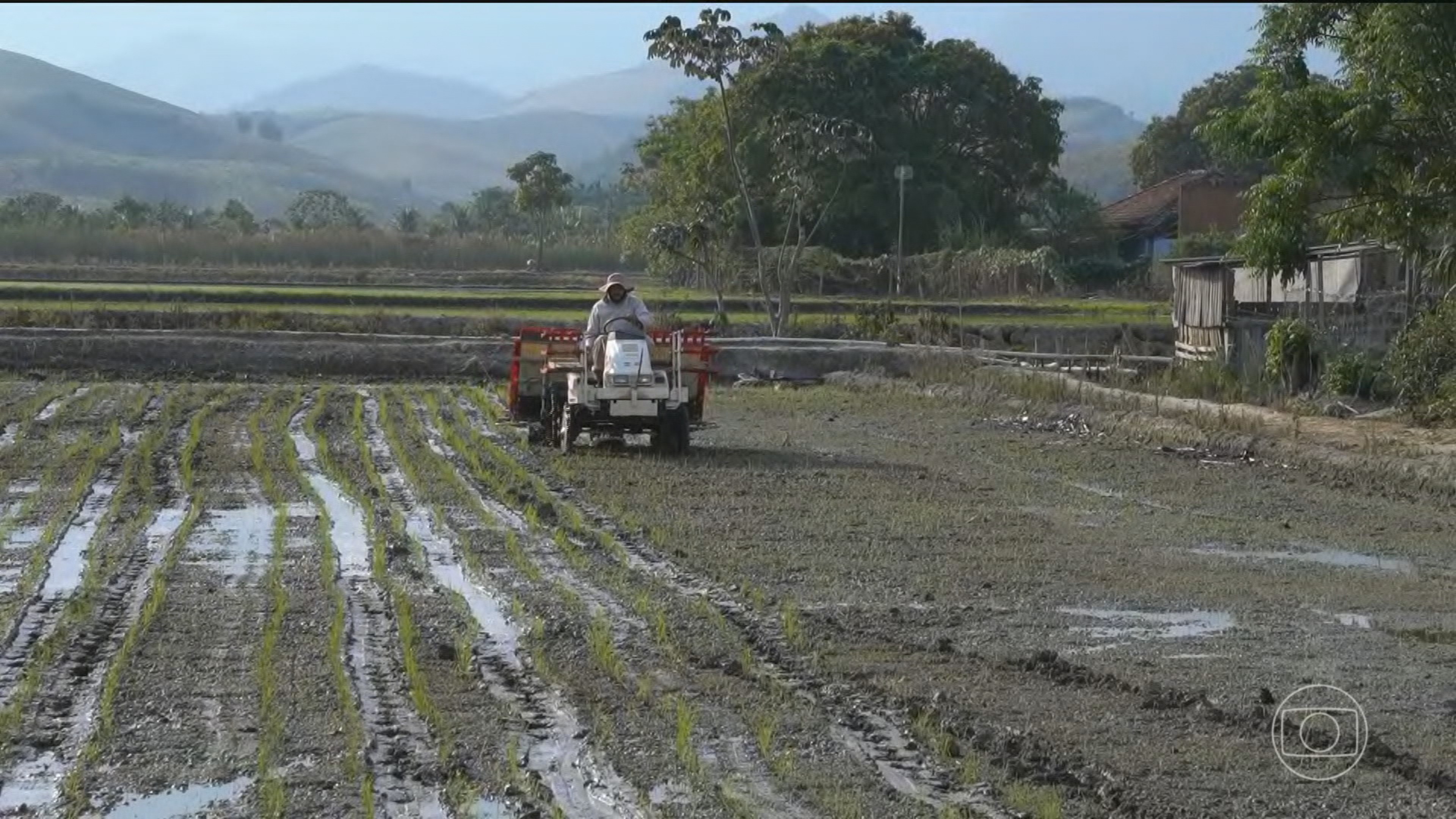
The Brazilian federal government is finalizing a package of measures to mitigate the economic fallout from increased U.S. tariffs on over 2,000 Brazilian export products, effective immediately. Simultaneously, it is addressing the rising costs of fertilizer inputs crucial for the agribusiness sector. Finance Minister Dario Durigan stated that these initiatives aim to counter external economic pressures impacting Brazil. Vice President Geraldo Alckmin, along with the Ministers of Finance and Industry and Commerce, met on Tuesday, May 21st, with representatives from affected industries like furniture, footwear, and machinery. The purpose of these meetings was to understand the needs of business owners and explore strategies for finding new markets and ensuring company survival. Government aid is expected to be disbursed in stages, with specific conditions and reciprocal commitments from companies, such as maintaining a portion of their workforce. The government indicated that aid would not involve export quotas or tax relief. In addition to the current tariffs, officials are preparing for a potential further 12.5% additional tariff, which could affect Brazil and 59 other nations. The Brazilian agricultural sector estimates the new U.S. tariffs could have an impact exceeding 36%. Separately, the government is developing measures to alleviate the burden of high fertilizer costs on agribusiness, including a potential credit line for companies that blend fertilizers for domestic use.
The Brazilian government's multi-pronged response to external economic pressures, specifically U.S. tariffs and rising fertilizer costs, highlights a strategic effort to stabilize key domestic industries. The phased aid approach, contingent on corporate commitments like job retention, suggests a focus on immediate economic relief while encouraging corporate responsibility. This strategy aims to balance immediate support with long-term economic resilience, navigating complex international trade dynamics and global supply chain vulnerabilities. The government's proactive engagement with affected sectors and exploration of credit facilities for agribusiness indicate an awareness of systemic risks and a desire to foster adaptive capacity within the Brazilian economy. Future policy decisions will likely be shaped by the evolving global trade landscape and the effectiveness of these initial support mechanisms in mitigating both immediate shocks and potential long-term competitive disadvantages.
AI-generated to prompt reflection — not editorial opinion, not advice, not a statement of fact. How this works.