Brazil presidential hopeful Renan Santos vows to halt rare earth deals, demand local production
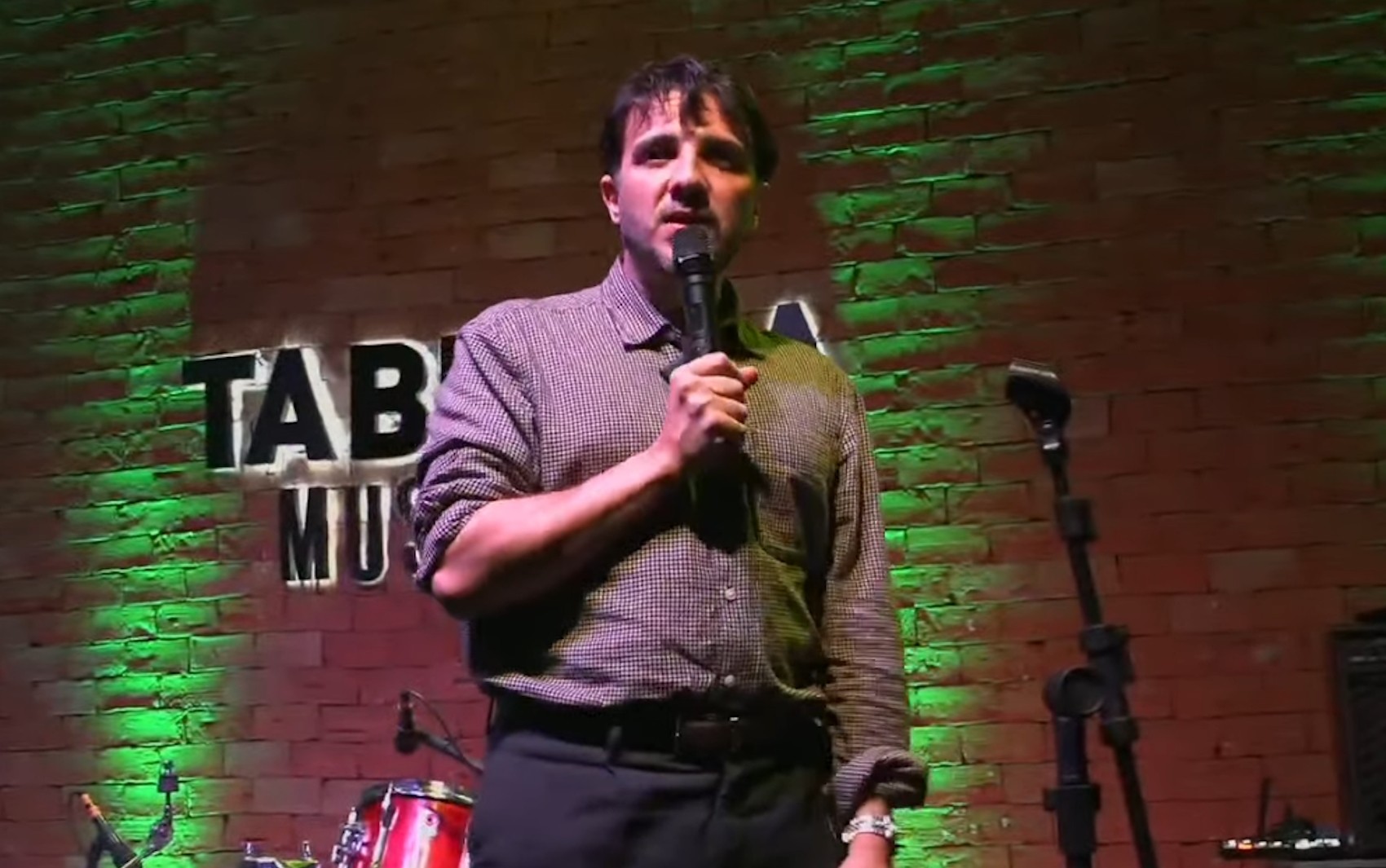
Presidential hopeful Renan Santos announced his intention to block all agreements concerning rare earth minerals if elected president of Brazil. Speaking at a supporter event in Goiânia, Goiás, on Sunday, May 19th, Santos stated that access to Brazil's rare earth reserves should be contingent upon technology transfer and the domestic production of components. He argued that economic groups, banks, and politicians are currently exploiting these resources and rushing into deals with foreign entities. Santos believes that Brazil, possessing 20% of global rare earth reserves, should leverage this position for industrialization and geopolitical advantage. He envisions a national rare earth plan that prioritizes manufacturing electronic and clean energy components within Brazil, rather than merely exporting raw materials. Santos specifically addressed potential partners like the United States, Japan, and Europe, positioning Brazil as their sole opportunity for access to these critical minerals. The pre-candidate did not specify which existing agreements he intends to halt. The mining company Serra Verde, located in Minaçu, Goiás, is currently the only entity outside Asia producing the four essential rare earth magnetic elements for clean technologies on a commercial scale. Serra Verde was recently acquired by USA Rare Earth for approximately R$ 14 billion (US$ 2.8 billion).
Renan Santos's proposal to halt rare earth agreements and demand domestic production reflects a nationalistic approach to resource management, aiming to capture greater value from Brazil's significant rare earth reserves. This stance highlights a tension between attracting foreign investment and technology, and asserting national sovereignty over strategic resources. The strategy could foster domestic industrial capacity in critical sectors like clean energy and electronics, potentially creating jobs and enhancing Brazil's technological independence. However, such protectionist measures may deter international investment and partnerships, potentially slowing down the development and exploitation of these resources. The feasibility of Santos's plan hinges on Brazil's capacity to develop the necessary technological infrastructure and skilled workforce to support local production, as well as navigating complex international trade dynamics and existing contractual obligations.
AI-generated to prompt reflection — not editorial opinion, not advice, not a statement of fact. How this works.