Brazil presidential hopeful Ronaldo Caiado criticizes Lula and Flávio Bolsonaro on US trade dispute
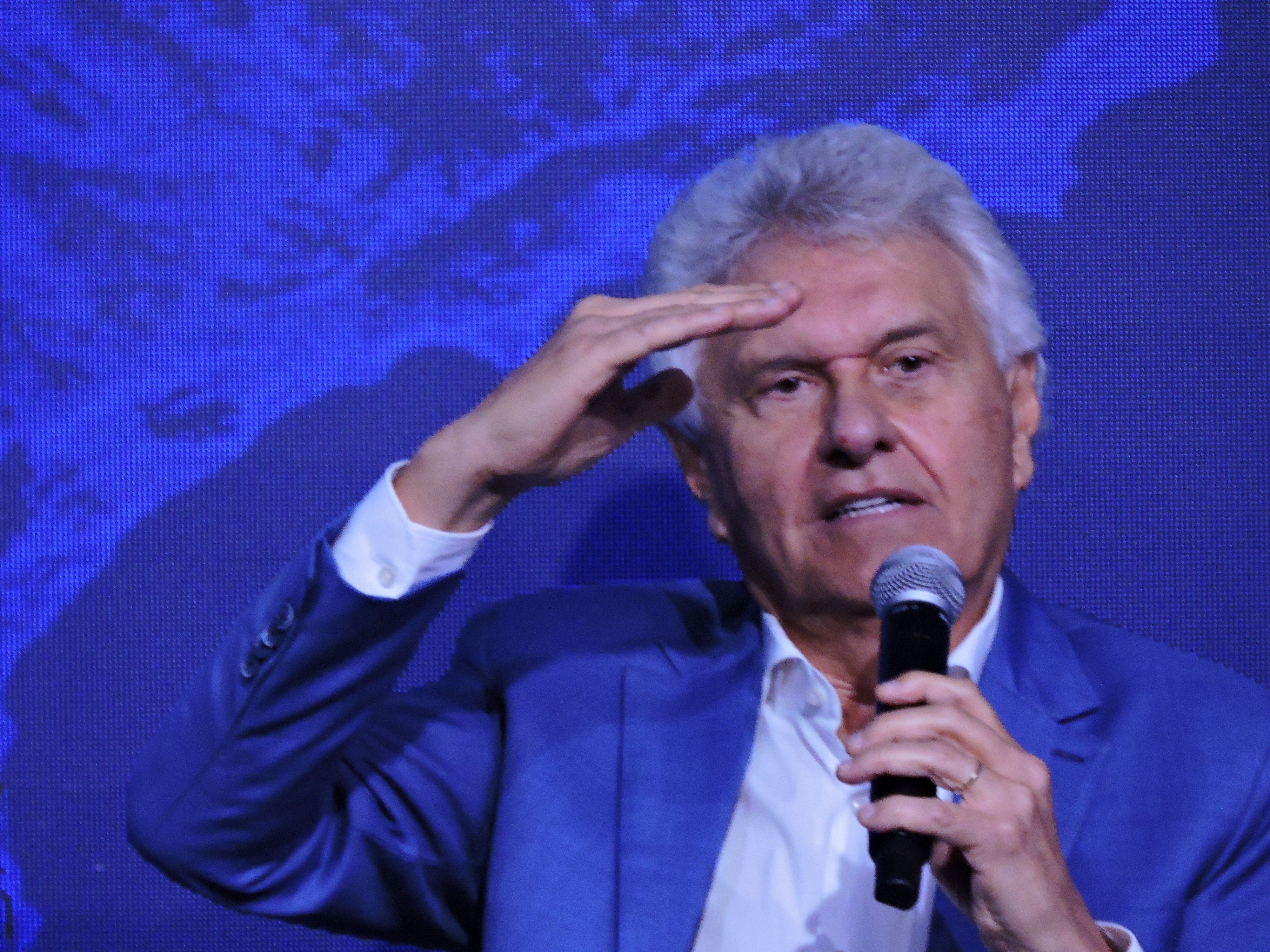
Ronaldo Caiado, a presidential hopeful and former governor of Goiás, has criticized both President Lula and Senator Flávio Bolsonaro for their approaches to the potential U.S. tariffs on Brazilian goods. Caiado, representing the PSD party, argued that President Lula is deliberately provoking Donald Trump to gain electoral advantage, drawing parallels to elections in Canada and Australia where Trump clashed with opponents. He accused Lula of using a false narrative of sovereignty while allegedly compromising Brazil's interests.
Furthermore, Caiado criticized Senator Flávio Bolsonaro for what he termed "kneeling" to U.S. interests. This refers to a document reportedly sent by Bolsonaro's team to the Trump administration, requesting that tariffs on Brazilian products be postponed until Brazil's October elections. Caiado sees this as a misstep, questioning where Brazil's interests lie in such a maneuver. The U.S. Trade Representative (USTR) proposed a 25% tariff on Brazilian goods in June, citing concerns over practices related to PIX, illegal deforestation, piracy, and anti-corruption enforcement.
Brazil and the U.S. have a deadline of July 15th to reach an agreement. The Brazilian government contends that the USTR's recommendations are politically motivated and disregard technical arguments. Despite ongoing negotiations, some business representatives believe the tariffs are likely, though their impact on the U.S. economy might influence their scale.
This situation highlights the complex interplay between domestic political strategies and international trade relations. President Lula's administration faces a delicate balance: asserting national sovereignty and economic interests while navigating potential U.S. protectionist measures. The proposed U.S. tariffs, framed by the USTR as responses to unfair trade practices, may also serve strategic objectives within the U.S. electoral cycle. Ronaldo Caiado's critique, while politically motivated, underscores a broader concern about Brazil's negotiating posture and its long-term implications for economic independence and international standing. The differing approaches by Lula and Flávio Bolsonaro reflect distinct political philosophies on how to engage with foreign powers, particularly the United States, and raise questions about the effectiveness of provocation versus concession in safeguarding national economic interests in an increasingly interconnected and competitive global landscape.
AI-generated to prompt reflection — not editorial opinion, not advice, not a statement of fact. How this works.