Brazil Presidential Race: Key Vices Undecided as Convention Season Begins
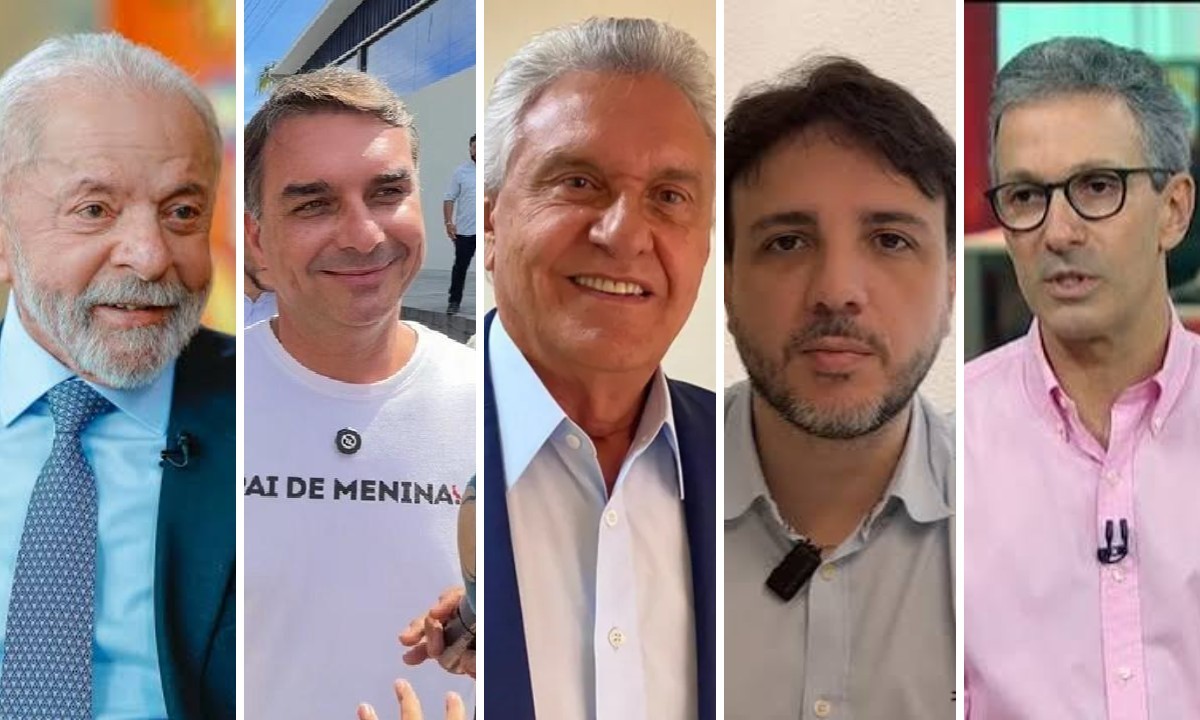
Brazil's convention season for presidential candidacies has commenced, with several major contenders still finalizing their running mates. As of Monday, July 20th, pre-candidates Luiz Inácio Lula da Silva (PT), Ronaldo Caiado (PSD), and Renan Santos (Missão) have confirmed their vice-presidential picks. However, significant uncertainty remains for Flávio Bolsonaro (PL) and Romeu Zema (Novo), who are actively negotiating alliances before the August 5th deadline for officializing candidacies. The subsequent step involves submitting candidate names to the Electoral Justice by August 15th.
Flávio Bolsonaro's campaign is reportedly seeking a female vice-presidential candidate to broaden appeal, particularly among women. Senator Simone Marquetto (PP-SP) has been considered, but her inclusion is contingent on the Progressistas party's national leader, Ciro Nogueira, endorsing Bolsonaro's candidacy. The União Progressista federation (União Brasil and Progressistas) appears inclined towards neutrality in the presidential race, potentially allowing state-level parties to choose their preferred candidate. Bolsonaro is attending the federation's state convention in São Paulo to lobby for support. Concurrently, negotiations with the Republicanos party continue, though they also express a preference for neutrality. Sources suggest Republicanos might support Bolsonaro if he commits to a single presidential term, clearing a path for São Paulo Governor Tarcísio de Freitas in 2030. Daniella Marques, former president of Caixa Econômica Federal, is reportedly a potential vice-candidate, with further conditions involving the appointment of Republicanos leader Marcos Pereira to the Supreme Court, though the party denies these negotiations.
Romeu Zema faces his own vice-presidential dilemma. His public overture to Michelle Bolsonaro was promptly rejected by her on social media. The strategic selection of a vice is crucial for Zema to expand his candidacy's reach and secure broader party support. Geraldo Rufino (Podemos) was previously considered but is now expected to run for a Senate seat in São Paulo. Zema stated that the final decision rests with the Novo party's national leadership and depends on ongoing alliance discussions. In contrast, Lula will partner with Geraldo Alckmin (PSB), Caiado with Gilberto Kassab (PSD), and Renan Santos with retired military officer Aroldo Medina.
The commencement of Brazil's convention season highlights the critical, often protracted, negotiations surrounding vice-presidential selections. These choices are not merely procedural but represent strategic gambits to consolidate support, appeal to specific demographics, and forge broader electoral coalitions. The complexities involving party federations, potential neutrality stances, and conditional endorsements underscore the intricate interplay between national ambitions and regional party dynamics. As candidates navigate these alliances, the underlying incentive structures reveal a tension between individual candidacies and the collective interests of party leadership and federations, particularly in the context of evolving political landscapes and the impending electoral deadlines. The focus on vice-presidential picks also reflects a broader challenge in Brazilian politics: balancing the need for broad appeal with the cultivation of distinct party identities and policy platforms.
AI-generated to prompt reflection — not editorial opinion, not advice, not a statement of fact. How this works.