Brazil Prosecutors Deny Deal for Businessman Suspected of Aiding Illegal Mining
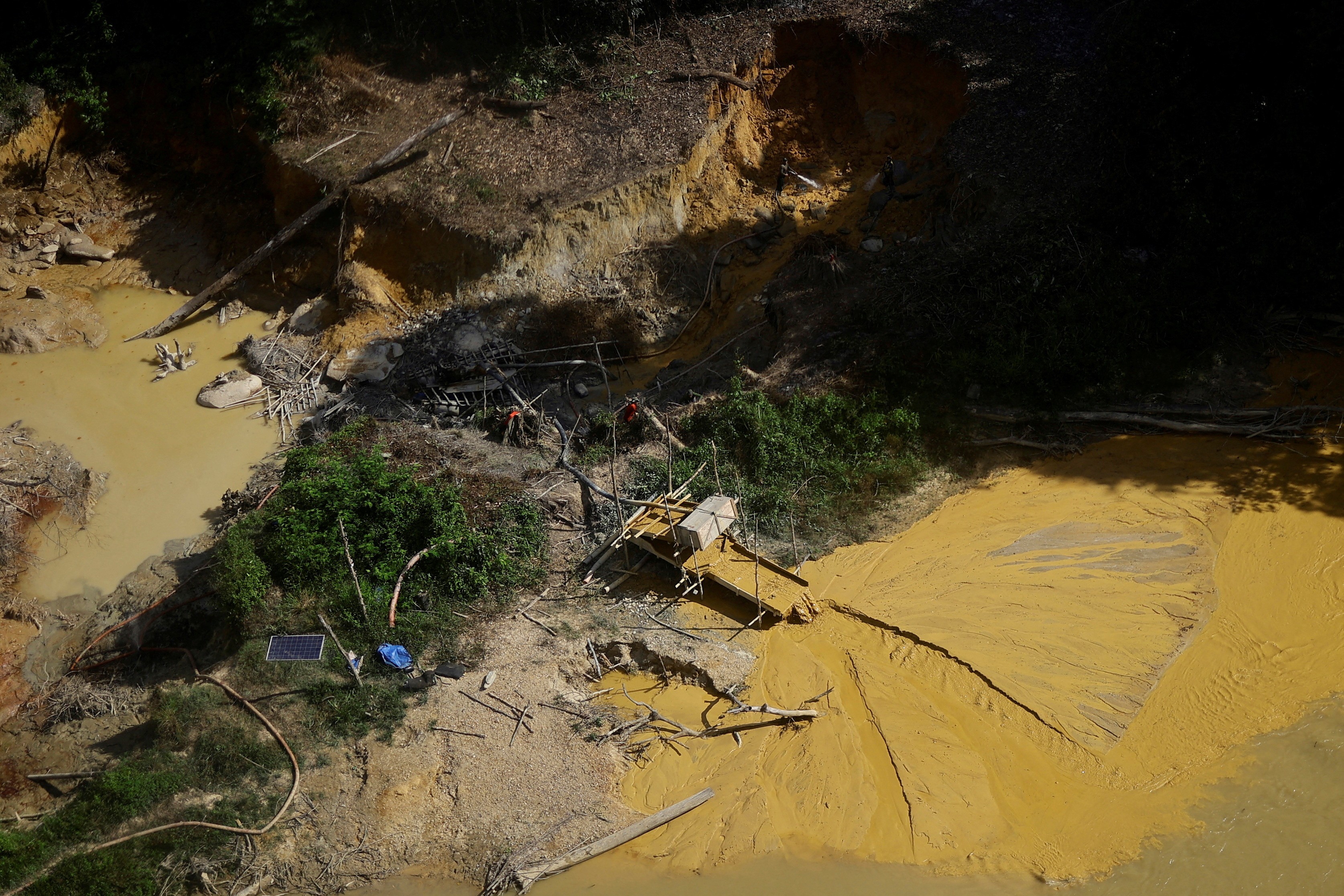
The Federal Public Prosecutor's Office (MPF) in Brazil has denied a request for a non-prosecution agreement from Filipe José da Silva Galvão, a businessman suspected of providing logistical support to an illegal mining group operating in the Yanomami Indigenous Territory in Roraima. The MPF cited evidence of Galvão's repeated involvement in illegal mining activities as the reason for denying the deal, which would have required him to confess, repair damages, pay a fine, and perform community service. Galvão is also accused of making clandestine modifications to aircraft, including removing seats to increase cargo capacity, which were allegedly used to facilitate illicit mining operations. The MPF described the group as a "sophisticated criminal organization dedicated to the systematic exploitation of illegal mining in indigenous areas," involved in the acquisition and transport of fuel, and the outflow of illegally extracted resources. Also implicated in the case are miner Rodrigo Cataratas, his son Celson Rodrigo de Mello, and Leonardo Kassio Arno. Cataratas, considered the leader, has been sentenced to 22 years and 7 months in prison and ordered to pay over R$31 million in damages. His son, Celson, who managed payments and pilot contacts, received a 10-year and 5-month sentence for crimes including illegal resource extraction and money laundering. Leonardo Arno, acting as a front man for aircraft ownership and managing extraction barges, was also sentenced to 10 years and 5 months and ordered to pay over R$1.1 million in damages.
The MPF's decision to deny a non-prosecution agreement highlights the challenges in prosecuting complex environmental and financial crimes. The alleged sophistication of the criminal organization, involving clandestine aircraft modifications and financial obfuscation, suggests systemic vulnerabilities in regulatory oversight and enforcement mechanisms for both aviation and resource extraction. This case underscores the critical need for robust inter-agency cooperation and advanced technological surveillance to detect and disrupt such operations. Moving forward, policy discussions should focus on strengthening penalties for logistical support roles in environmental crimes and exploring innovative financial investigative tools to trace illicit proceeds, particularly in remote and sensitive regions like the Yanomami Territory.
AI-generated to prompt reflection — not editorial opinion, not advice, not a statement of fact. How this works.