Brazil raises anhydrous ethanol blend in gasoline from 30% to 32%
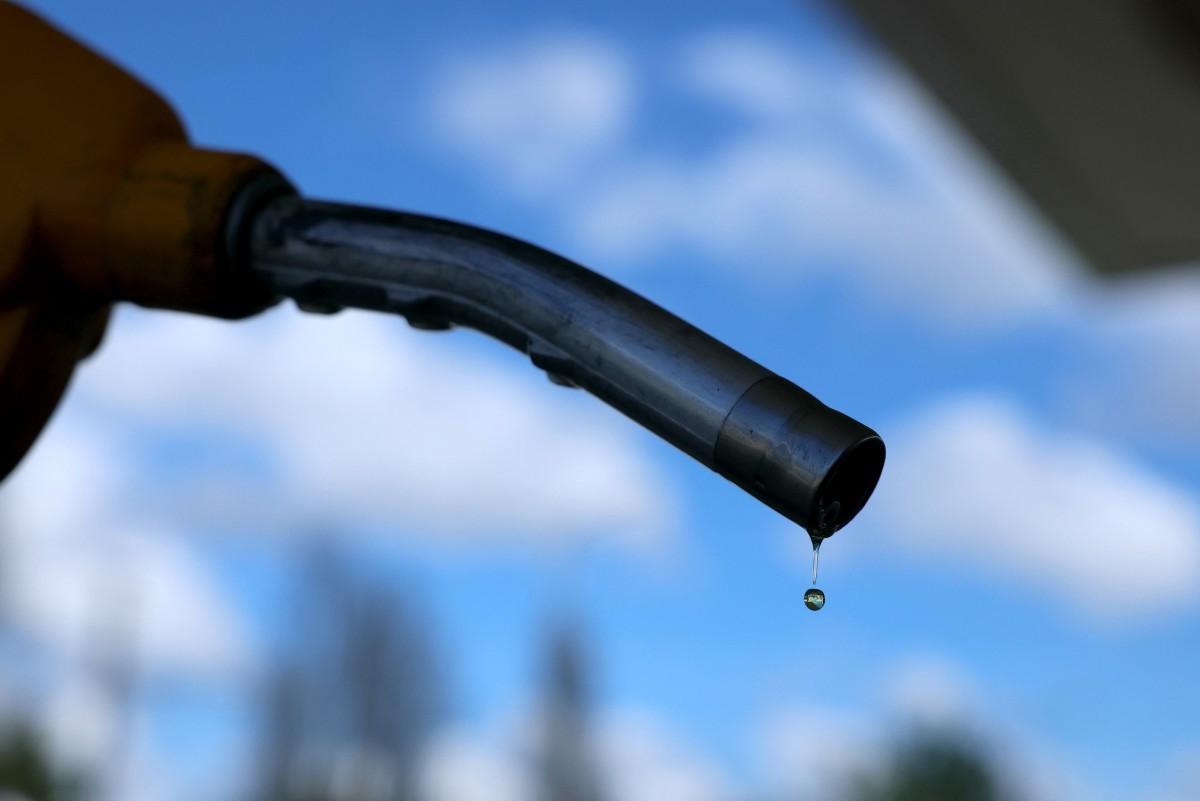
Brazil's National Council for Energy Policy (CNPE) has approved an increase in the anhydrous ethanol blend in gasoline, raising it from 30% to 32%. This decision, initially valid for 180 days, can be extended for another equal period. The CNPE cited volatility in the oil and fuel markets as the reason for this change, aiming to reduce dependence on imported fossil fuels and increase the presence of Brazilian-produced ethanol in the national energy matrix. The council also addressed concerns about potential vehicle damage, stating that tests conducted in both laboratory and real-world conditions showed equivalent performance, drivability, cold starts, fuel consumption, and emissions compared to lower ethanol blends. Even vehicles with non-flex engines were found to be unaffected by the E32 blend. The Ministry of Mines and Energy estimates that adopting E32 could decrease gasoline import needs by approximately 500 million liters per month, potentially making Brazil self-sufficient in fuel supply. This move is part of the "Combustível do Futuro" (Future Fuel) policy, designed to boost renewable fuel use and cut greenhouse gas emissions in the transport sector. Previously, in June 2025, the mandatory blend was increased from 27.5% to the current 30%. The sugarcane and bioenergy industry association, Unica, views this as a continuation of Brazil's biofuel incentive policy, estimating it will increase annual demand for anhydrous ethanol by about 1 billion liters compared to the 30% blend. Minister of Mines and Energy Alexandre Silveira has affirmed that technical studies support the safety of the new E32 blend for the Brazilian vehicle fleet.
The Brazilian government's decision to increase the ethanol blend in gasoline reflects a strategic push towards energy independence and decarbonization, aligning with global trends favoring renewable fuels. This policy leverages domestic agricultural production to mitigate the economic and geopolitical risks associated with imported fossil fuels. While the stated benefits include reduced import dependence and lower emissions, potential impacts on vehicle longevity and maintenance costs for the existing fleet, particularly non-flex models, warrant ongoing monitoring. The long-term success of this policy will depend on sustained technological development in biofuel production, infrastructure adaptation, and careful management of market dynamics to ensure price stability and consumer acceptance, balancing environmental goals with economic realities.
AI-generated to prompt reflection — not editorial opinion, not advice, not a statement of fact. How this works.