Brazil Reacts to New Trump Tariffs on Brazilian Goods
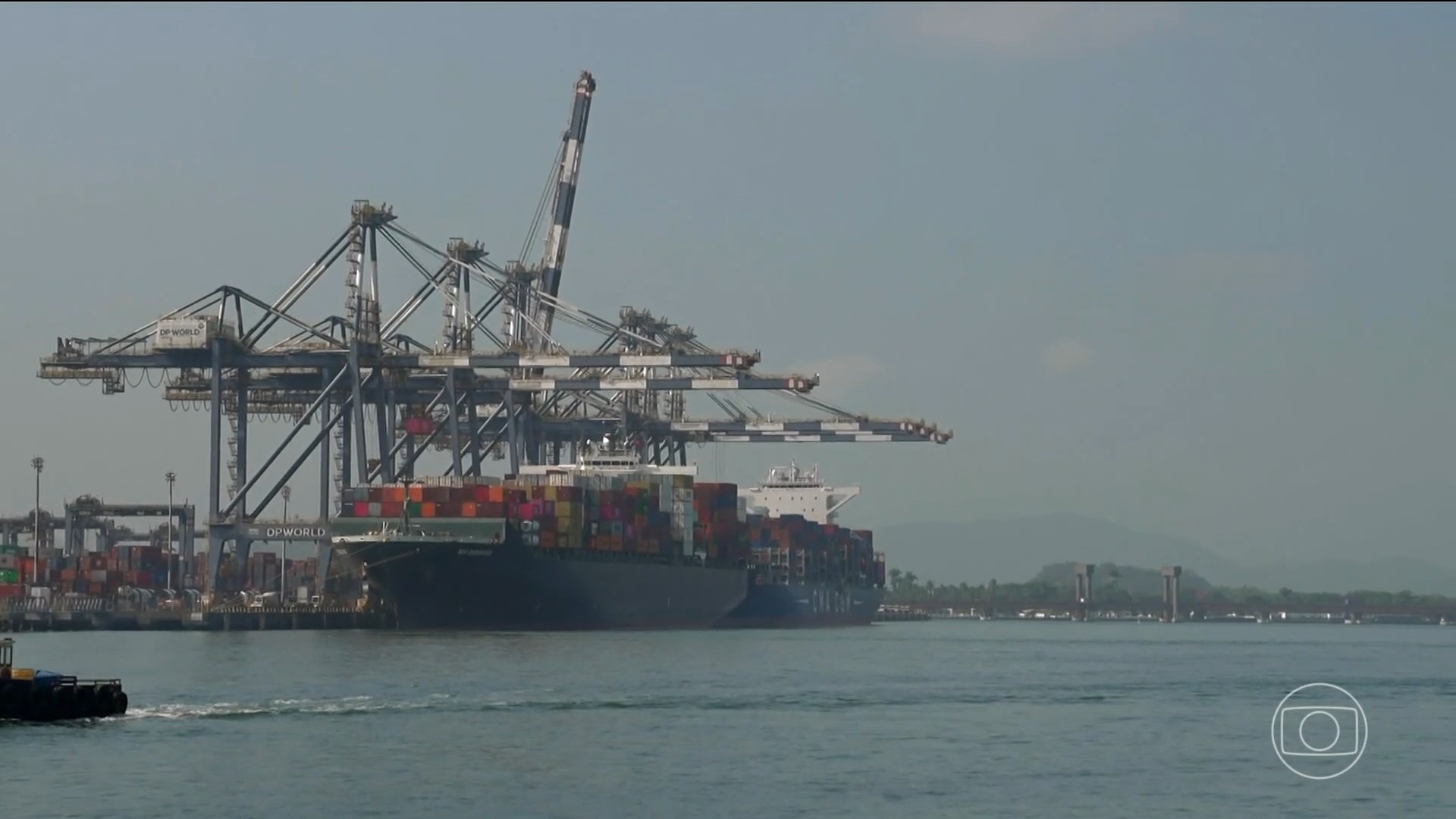
The Trump administration announced new tariffs on Brazilian products on Thursday, May 23rd, sparking reactions from Brazilian industry representatives and the government. Ricardo Alban, president of the National Confederation of Industry (CNI), expressed concern during a meeting with the Minister of Development, Industry, Trade, and Services. He stated that the CNI is working closely with American companies to foster a constructive dialogue and prevent the escalation of tensions that could negatively impact both economies.
This marks the second set of tariffs imposed by the U.S. on Brazilian goods recently. A 25% tariff, implemented on Wednesday, followed a U.S. government investigation concluding that Brazil engages in unfair practices detrimental to American businesses. The American Chamber of Commerce for Brazil (Amcham) estimates that these combined tariffs will affect $10.7 billion in Brazilian exports, resulting in a total charge of 37.5%.
The Brazilian government formally rejected the U.S. decision, calling the tariffs "completely arbitrary and unjustified." They stated that during the U.S. investigation, Brazil's Ministry of Labor and Employment provided documentation regarding its labor laws and customs enforcement against forced labor imports. In response, Brazil announced it would initiate procedures under the Reciprocity Law and bring the issue to the World Trade Organization (WTO) dispute settlement mechanism. However, Amcham cautioned that retaliatory measures could escalate tensions and advocated for continued negotiations between the two governments to resolve the dispute.
The imposition of new tariffs by the U.S. government on Brazilian goods, citing unfair practices and forced labor, introduces significant friction into bilateral trade relations. Brazil's response, invoking reciprocity and the WTO, highlights the tension between unilateral trade actions and established international dispute resolution frameworks. The situation underscores the complex interplay of domestic policy objectives, international trade law, and geopolitical considerations in shaping global commerce. As both nations navigate these measures, the potential for escalating trade disputes could impact supply chains and economic stability, necessitating careful diplomatic engagement and adherence to multilateral trade principles to mitigate broader economic consequences.
AI-generated to prompt reflection — not editorial opinion, not advice, not a statement of fact. How this works.