Brazil Rejects US Claims on PIX, STF, and Trade Practices, Aims to Avert 25% Tariffs
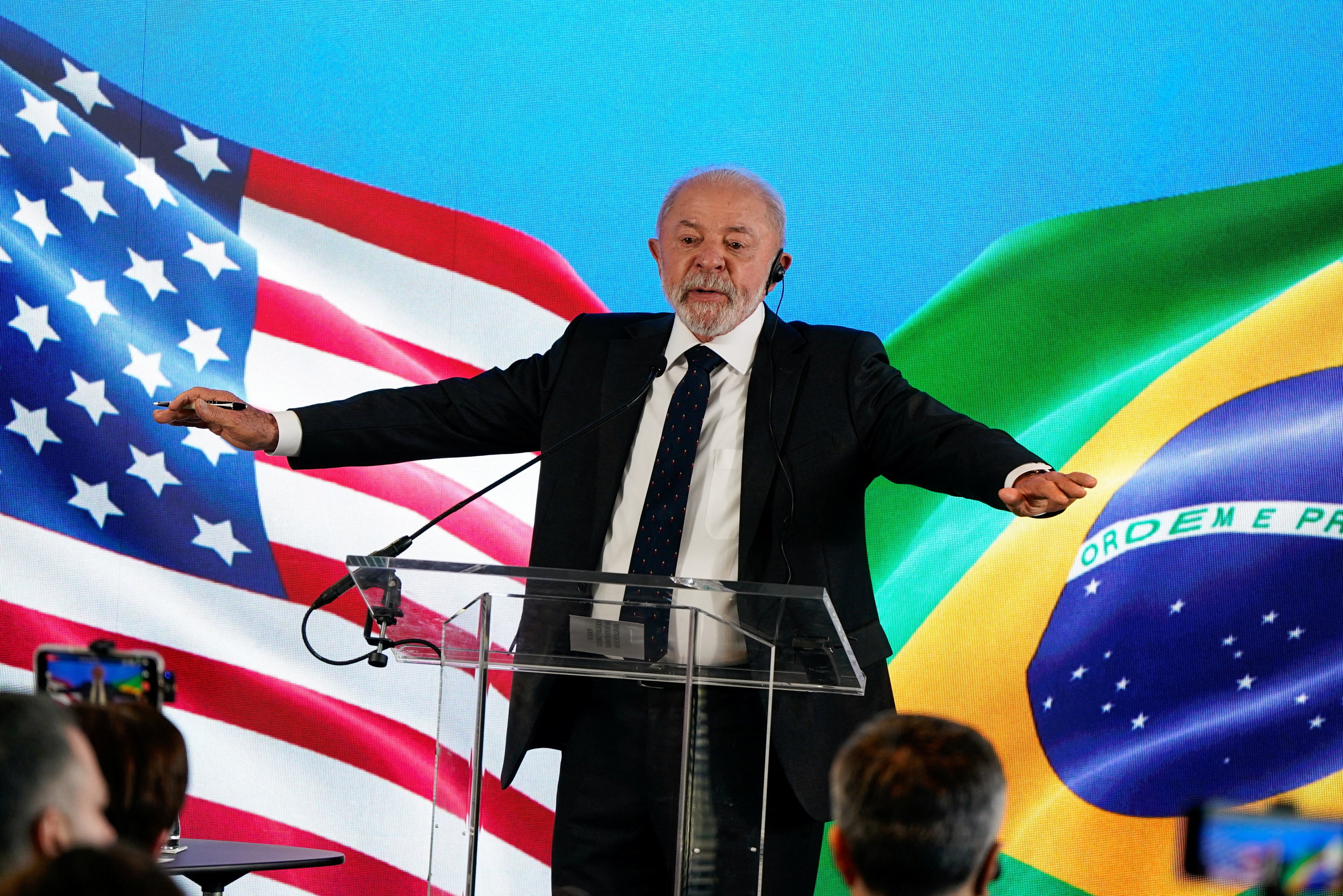
Brazil has formally responded to the United States government regarding accusations of unfair trade practices that could lead to a 25% tariff on Brazilian products. The US, under the Trump administration, had alleged that Brazil's policies "burden or restrict" trade with American companies. Brazil's Ministry of Foreign Affairs, in a 29-page document, refuted these claims, arguing that criticisms concerning the PIX payment system and decisions by the Supreme Federal Court (STF) are internal policy matters, not trade issues. Brazil contends that using internal judicial processes or payment system structures as justification for trade sanctions would set a dangerous precedent. The Brazilian government highlighted that PIX is an open-access public infrastructure available to all companies meeting requirements, including American firms like Google Pay Brasil and Visa, and that it has fostered competition and reduced costs. They also drew a parallel to the US Federal Reserve's FedNow system, stating that a central bank operating a payment infrastructure is not inherently unfair trade practice.
Regarding social media regulations, the US cited confidential court orders for content removal and profile suspension against American companies, deeming it censorship. Brazil countered that these judicial decisions are part of regular legal processes for electoral integrity and criminal investigations, and that confidentiality is necessary to protect ongoing investigations and privacy, while still affording due process. Brazil asserted that its regulations are applied neutrally to all platforms, regardless of origin, and that the US has not provided evidence of discriminatory treatment. The US also criticized Brazil's preferential tariffs with Mexico and India, which Brazil defended as legitimate, long-standing agreements negotiated within WTO-compatible regional frameworks, including provisions for developing countries. Brazil argued that the US cannot deem these legitimate preferential arrangements as unfair simply due to increased competition.
The dispute between Brazil and the United States over trade practices, particularly concerning the PIX payment system and social media regulations, highlights a growing tension between national regulatory autonomy and international trade expectations. Brazil's defense emphasizes its adherence to established legal frameworks and the non-discriminatory nature of its domestic policies, drawing parallels to US systems like FedNow to normalize its central bank's role in PIX. The core of the disagreement appears to be differing interpretations of what constitutes fair trade versus internal policy, and how judicial processes, especially those involving content moderation and privacy, intersect with global commerce. As digital economies evolve, such conflicts may become more frequent, prompting a need for clearer international guidelines on the interplay between national sovereignty, technological infrastructure, and cross-border data flows.
AI-generated to prompt reflection — not editorial opinion, not advice, not a statement of fact. How this works.