Brazil Rejects US Justifications for Ambassador Visa Revocation, Cites Interference
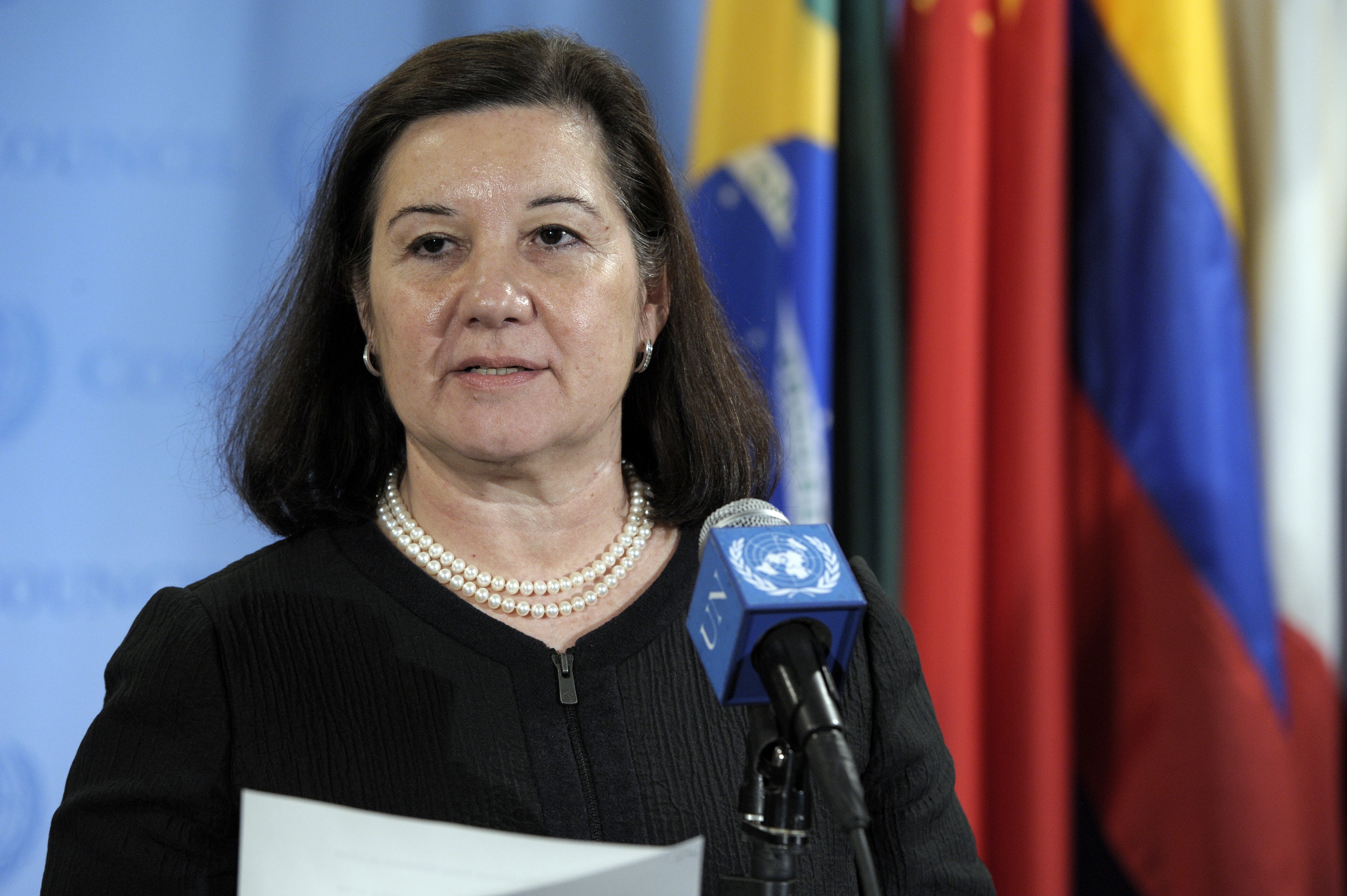
The Brazilian government, led by President Luiz Inácio Lula da Silva, has issued a strong repudiation of the United States' decision to revoke the visa of Brazil's ambassador to Washington, Maria Luiza Ribeiro Viotti. Brazil asserts that the justifications provided by the U.S. are false and constitute an "unwarranted interest" in interfering with Brazil's upcoming presidential election. This move is seen by Brazil as part of a deliberate escalation of hostile measures motivated by ideological reasons, incompatible with a partnership based on mutual respect. The U.S. Department of State stated the revocation was a response to Brazil's delay in granting diplomatic approval (agrément) for Daniel Perez, the U.S. nominee for ambassador to Brazil. Brazilian diplomats have characterized the U.S. action as "blackmail" to pressure their approval. Brazil maintains that the agrément process is confidential and the nominee's name should not have been made public before Brazil's consent. Furthermore, Brazil points out that the U.S. publicly announced Perez's name before formally submitting the request. Brazil also notes that international law does not stipulate a deadline for granting agrément, and the U.S. request is still under review. This situation follows Brazil's denial of visas to two U.S. State Department officials, whom The Washington Post identified as involved in a strategy to question Brazil's electoral system, a claim the U.S. denies. Brazil recalls previous U.S. individual sanctions, including visa cancellations, against Brazilian authorities based on allegedly unfounded claims of political persecution of former President Bolsonaro, affecting ministers and high-ranking executive officials. President Lula had previously requested the lifting of these sanctions during his visit to Washington in May.
The diplomatic dispute between Brazil and the United States highlights the complexities of international relations and the strategic use of diplomatic tools. Brazil's assertion of unwarranted interference and ideological motivations suggests a deeper concern about U.S. influence on its domestic political processes, particularly elections. The U.S. justification, centered on the agrément process, points to differing interpretations of diplomatic protocol and potential leverage tactics. This situation underscores the importance of clear communication and adherence to established international norms to prevent misunderstandings and escalations. Future diplomatic interactions will likely be shaped by the need to re-establish trust and navigate the balance between national sovereignty and bilateral cooperation, especially in an era increasingly defined by geopolitical competition and the influence of information.
AI-generated to prompt reflection — not editorial opinion, not advice, not a statement of fact. How this works.
