Brazil Rejects US Tariff Hikes, Cites Over 30 Negotiation Attempts
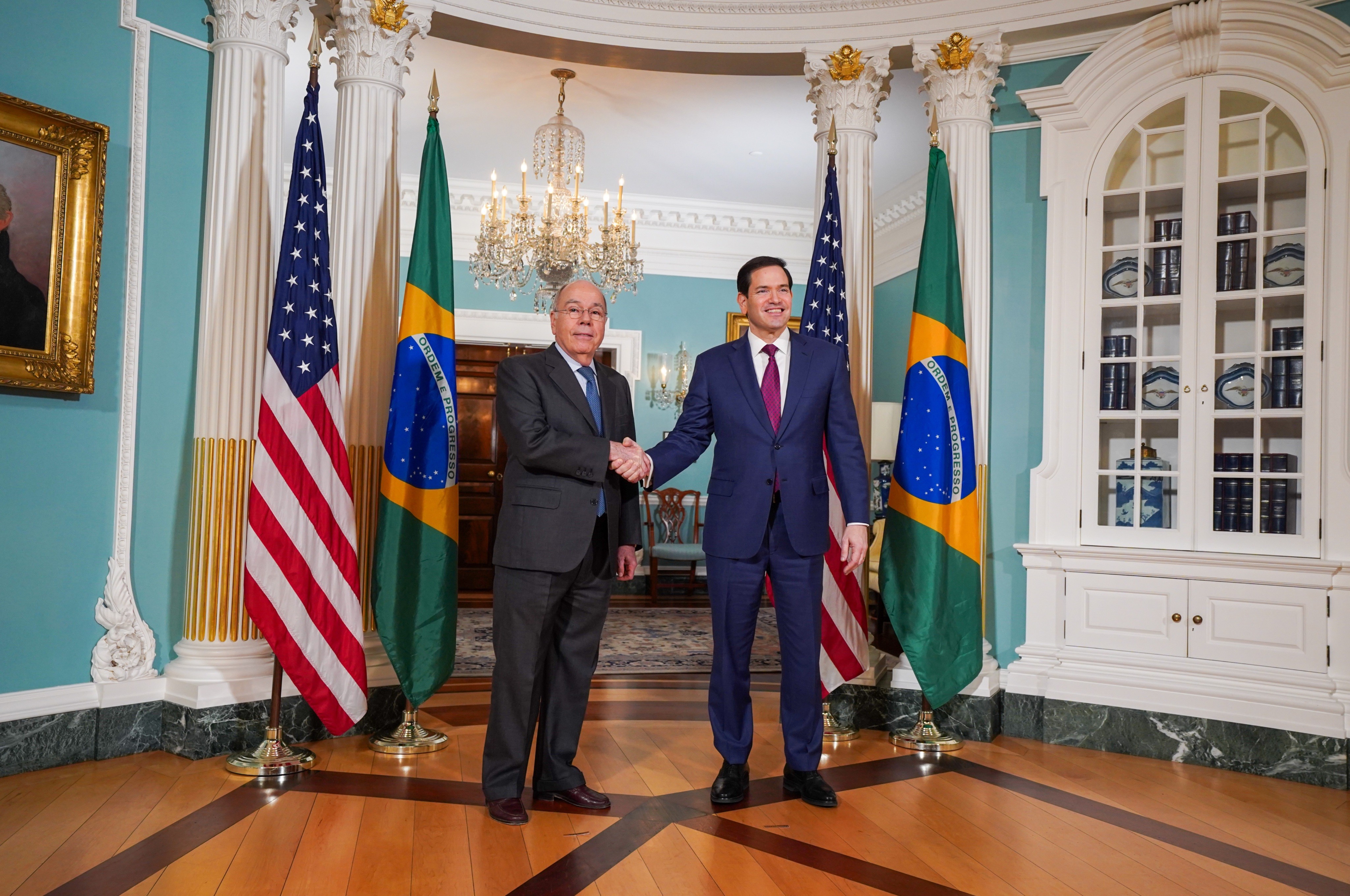
Brazil's government has rejected criticism regarding its handling of new U.S. tariff increases, asserting that it made over 30 contacts with the United States to negotiate the measures. The U.S. Trade Representative's Office (USTR) announced the proposed "tariff hike" on a wide range of items, set to take effect on July 22. This decision stems from a year-long USTR investigation under Section 301 of the Trade Act of 1974, which addresses alleged trade barriers. Brazilian diplomacy reports that since the initial tariff announcement, there have been numerous engagements, including phone calls, video conferences, and in-person meetings at presidential, ministerial, and technical levels. Brazilian representatives also met with U.S. Secretary of State Marco Rubio and U.S. Trade Representative Jamieson Greer on at least 11 occasions. The Brazilian government maintains that it consistently initiated dialogue to resolve the trade dispute, countering claims that it failed to pursue negotiations. Despite initial optimism following meetings between President Lula and former President Trump, the situation reportedly shifted recently after Senator Flávio Bolsonaro's visit to the U.S. Brazil's government has labeled the U.S. decision "regrettable" and "repudiates" the announcement, with President Lula vowing to invoke reciprocity laws. Brazil points to a significant U.S. trade surplus of $424.5 billion in goods and services over the past 15 years as evidence against the necessity of unilateral measures. The government also stated that it continuously presented evidence to the USTR refuting allegations of unfair trade practices by Brazil throughout the investigation.
The imposition of new U.S. tariffs on Brazilian goods, despite Brazil's assertion of extensive negotiation efforts, highlights a persistent tension between national trade interests and international dispute resolution mechanisms. Brazil's government frames the U.S. action as "ideological" and "political," while also pointing to its own trade surplus as a counter-argument. This situation underscores the complexities of trade relations, where differing interpretations of trade law and economic policy can lead to unilateral actions. The Brazilian government's strategy appears to involve both direct diplomatic engagement and the threat of retaliatory measures through reciprocity laws. Moving forward, the effectiveness of these strategies will depend on evolving geopolitical dynamics and the U.S. administration's trade policy priorities. The long-term implications for Brazilian businesses may include diversification of export markets and increased domestic investment to mitigate reliance on U.S. trade.
AI-generated to prompt reflection — not editorial opinion, not advice, not a statement of fact. How this works.