Brazil Rejects US Tariff Proposal, Citing WTO Rules and Arbitrary Investigation
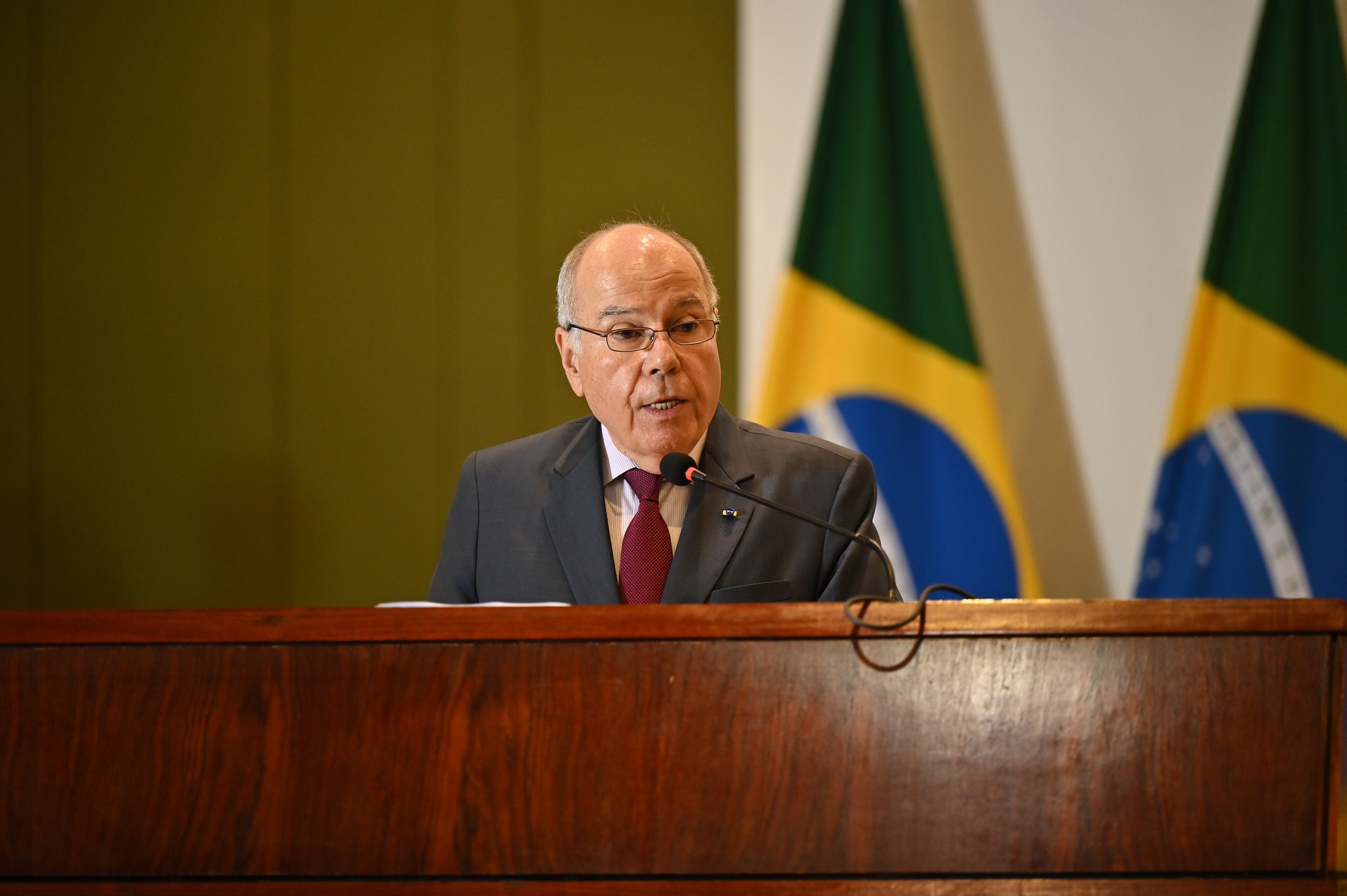
Brazil's Minister of Foreign Affairs, Mauro Vieira, has formally protested a proposed 12.5% tariff by the United States on Brazilian products. In a letter to the Office of the U.S. Trade Representative (USTR), Itamaraty, Brazil's foreign ministry, declared the U.S. investigation's conclusions "erroneous" and "arbitrary," asserting they lack evidential support from Brazil's submissions. Brazil maintains that unilateral measures, particularly those under Section 301 of U.S. trade law, are incompatible with the multilateral trading system. The ministry argued that issues raised in the investigation, concerning domestic legal regimes and enforcement practices, should be addressed through international cooperation rather than punitive trade actions. Itamaraty emphasized that disputes of this nature should be resolved through the World Trade Organization's (WTO) dispute settlement mechanisms, not through unilateral tariffs before international processes conclude. The Brazilian government also contends that the investigation failed to demonstrate that products made with forced labor in Brazil entered the U.S. market or harmed American producers. Furthermore, Brazil pointed to its significant trade surplus with the U.S. exceeding $400 billion since 2007 as weakening the justification for the proposed tariff.
Brazil's response highlights a fundamental tension between national trade enforcement mechanisms and the principles of multilateral trade governance. The U.S. action, if pursued, could be interpreted as prioritizing domestic policy objectives over established international dispute resolution frameworks, potentially setting a precedent for other nations to adopt similar unilateral measures. This approach risks fragmenting global trade rules and diminishing the authority of institutions like the WTO. From a systemic perspective, the reliance on Section 301 investigations, which allow for unilateral action, may create incentives for trade partners to preemptively adjust practices to avoid punitive tariffs, rather than engaging in transparent, cooperative dialogue. The long-term implication could be a less predictable and more contentious international trade environment, requiring a re-evaluation of how national security or labor concerns are integrated into global trade agreements without undermining the rule of law.
AI-generated to prompt reflection — not editorial opinion, not advice, not a statement of fact. How this works.