Brazil Rejects US Tariffs on Forced Labor Imports, Cites Reciprocity Law
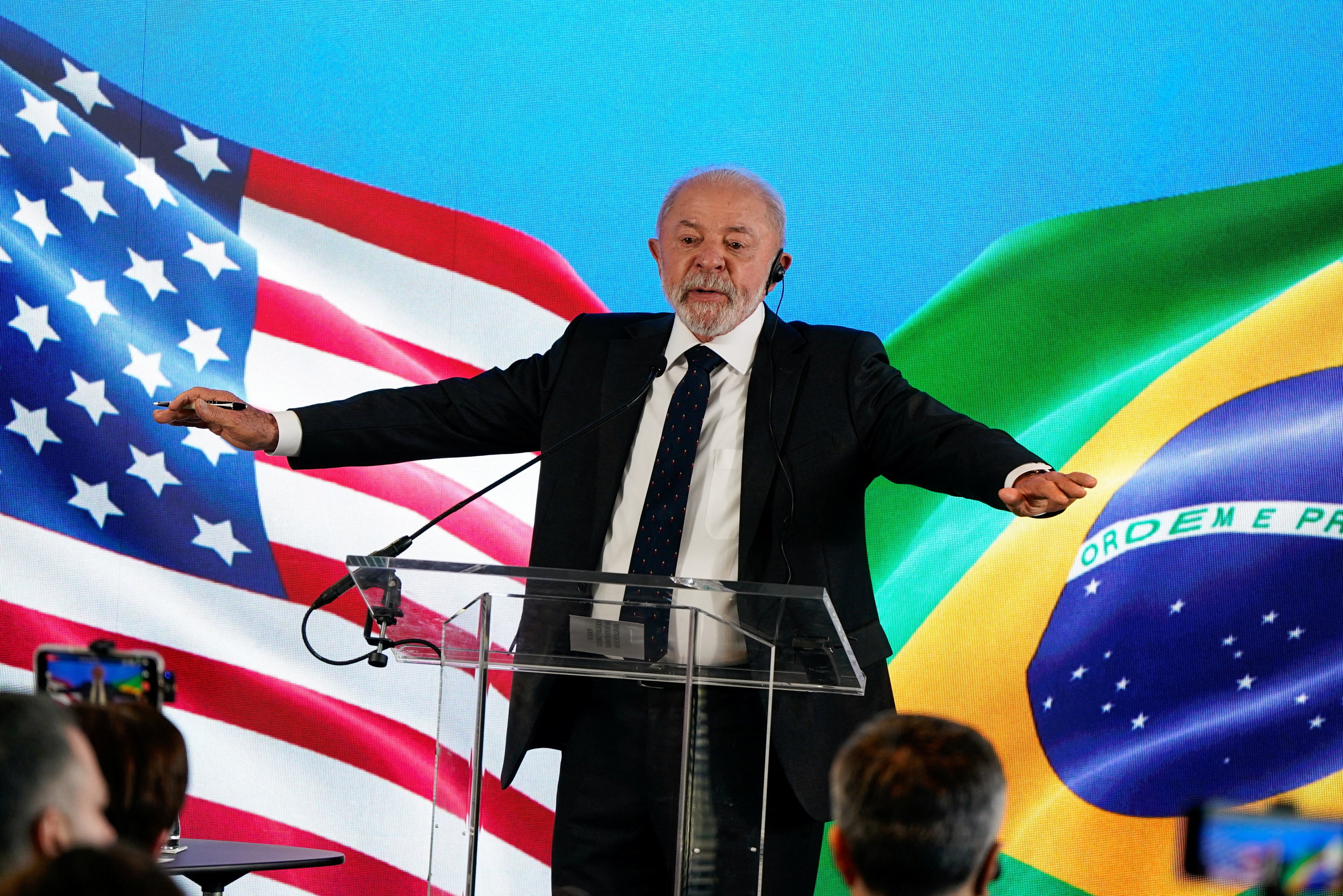
The Brazilian government has announced its rejection of new tariffs imposed by the United States, citing them as arbitrary and unjustified. These tariffs, announced on Thursday, August 23rd, target imports from approximately 60 trading partners, including Brazil, due to alleged failures in prohibiting and monitoring goods produced with forced labor. Brazil intends to immediately initiate proceedings under its Reciprocity Law and will bring the matter to the World Trade Organization's dispute settlement mechanism. The tariffs, ranging from 10% to 12.5%, are set to take effect on Friday, August 24th. Brazil's government stated that the U.S. Trade Representative (USTR) manipulated human rights concerns to accuse 59 countries and the European Union of unfair practices, lacking a legal basis for its protectionist trade policy. Brazil considers itself a reference point in combating forced labor within the International Labour Organization and provided explanations and documentation to the USTR during its investigation. The U.S. justification for these tariffs is similar to that used for a previous 25% tariff on Brazilian products, potentially increasing the total surtax on some goods to 37.5%. The USTR report deemed such practices 'irrational' and detrimental to American trade by creating unfair competition. Brazil's Ministry of Labour highlighted its legal framework, which criminalizes forced labor, excessive working hours, and degrading conditions, with severe penalties and a public registry of offending employers. The Brazilian government had anticipated this new tariff and had previously expressed profound disagreement with the USTR's findings, vowing to use the Reciprocity Law to counter perceived injustices.
The imposition of U.S. tariffs based on alleged failures to prevent forced labor imports presents a complex trade dispute. Brazil's response, invoking reciprocity and the WTO, highlights a potential conflict between unilateral U.S. trade enforcement and multilateral trade rules. The U.S. action appears to leverage human rights concerns within a protectionist trade framework, potentially creating a precedent for similar measures against other nations. Brazil's counter-argument, emphasizing its robust domestic legal framework and international standing on labor rights, suggests a disagreement over the interpretation and application of evidence. This situation underscores the ongoing tension between national sovereignty in trade policy and the pursuit of global standards, particularly concerning labor and human rights, and may lead to increased trade friction and a re-evaluation of supply chain compliance mechanisms by affected countries.
AI-generated to prompt reflection — not editorial opinion, not advice, not a statement of fact. How this works.