Brazil Responds to US Tariffs with WTO Action and Economic Measures
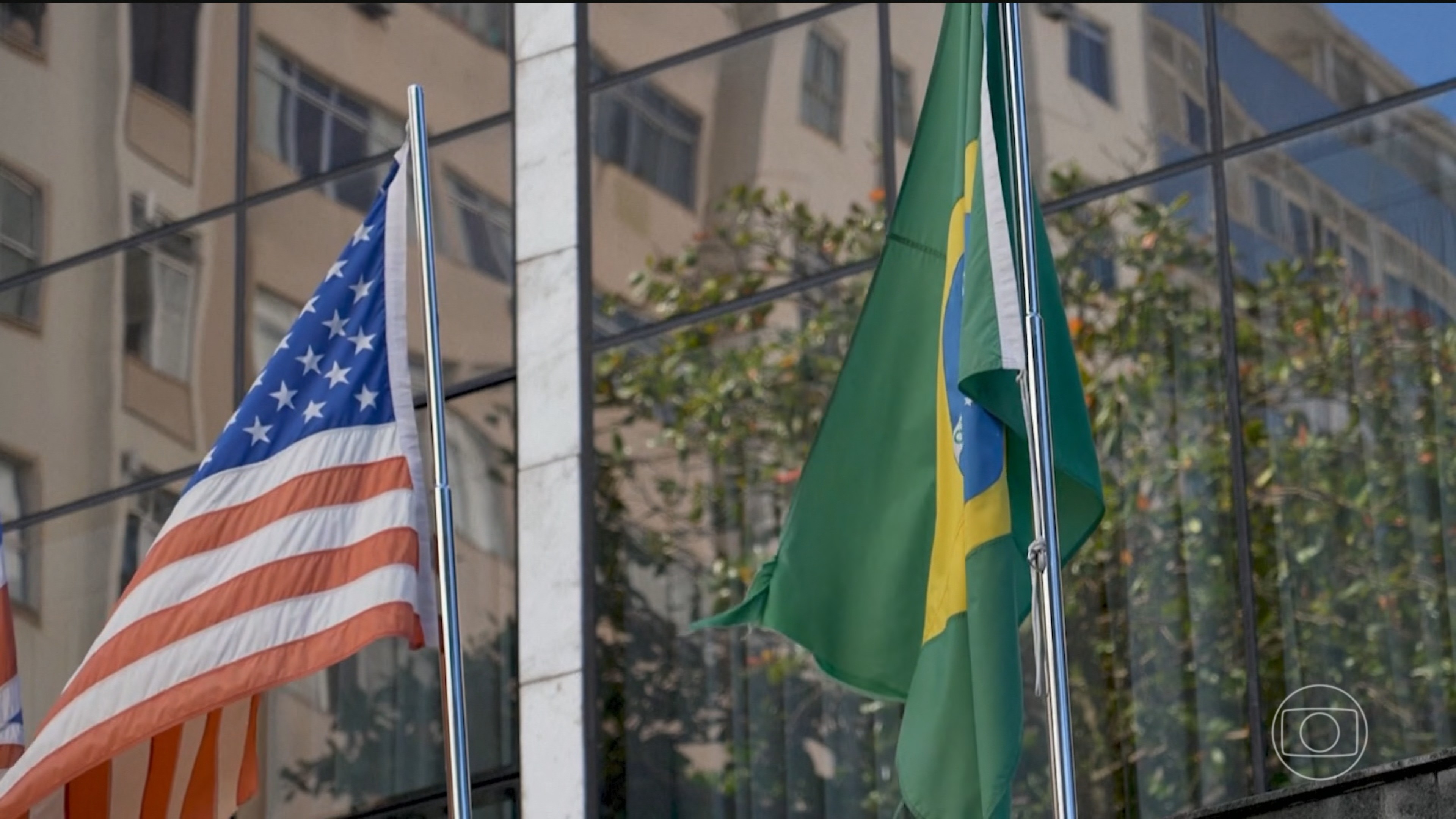
In July, the United States imposed two significant tariff measures against Brazil. The first, a 25% tariff, stems from an investigation by the U.S. Trade Representative (USTR) into alleged unfair practices by the Brazilian economy. The second, a 12.5% tariff applied to Brazil and other nations, was reportedly due to inadequate oversight of forced labor. The Brazilian government has criticized these actions and outlined a two-pronged response. Domestically, it has pledged an R$18.5 billion aid package for the most affected sectors. Internationally, Brazil has escalated the dispute to the World Trade Organization (WTO) for arbitration. Economist Monica de Bolle, speaking from Washington, analyzed Brazil's potential WTO outcomes and discussed other retaliatory measures. These could include invoking a Law of Reciprocity or employing legal mechanisms to target strategic sectors for American interests. De Bolle is a senior researcher at the Peterson Institute for International Economics. The podcast "O Assunto" features interviews and analysis on these developments, with production by Luiz Felipe Silva, Sarah Resende, Carlos Catelan, Luiz Gabriel Franco, Juliene Moretti, Stéphanie Nascimento, and Guilherme Gama, and presentation by Victor Boyadjian. The Brazilian Ministry of Foreign Affairs (Itamaraty) confirmed the WTO action against the U.S. tariffs. These measures highlight limitations for Brazil in increasing its global trade share, with some diplomatic sources viewing the WTO recourse as symbolic for asserting Brazil's position against the U.S. The tariffs, initially applied in July, are expected to be extended by the U.S. until July 2025, though their practical effect is noted as minimal. Following the U.S. tariffs, President Lula also discussed a China-Mercosur agreement with Xi Jinping. The situation has prompted discussions on Brazil's trade strategy, with former diplomat Philip Yang advocating for firm retaliation. The "O Assunto" podcast, produced by g1, has achieved over 168 million downloads and 14.2 million YouTube views since its 2019 debut.
The U.S. imposition of tariffs on Brazil, citing unfair trade practices and labor oversight, presents a complex challenge to bilateral economic relations. Brazil's recourse to the WTO and domestic support packages signal a strategic intent to balance assertiveness with economic stability. The situation underscores the evolving landscape of international trade, where geopolitical considerations and domestic policy objectives increasingly intersect. Brazil's exploration of retaliatory measures, such as reciprocity laws, reflects a growing willingness to leverage its economic position, potentially impacting sectors vital to U.S. interests. This dynamic highlights the inherent tension between national sovereignty in trade policy and adherence to multilateral trade rules. As global trade frameworks face re-evaluation in an era of shifting alliances and technological disruption, such disputes may foreshadow future patterns of economic statecraft, emphasizing the need for robust dispute resolution mechanisms and strategic foresight in navigating international commerce.
AI-generated to prompt reflection — not editorial opinion, not advice, not a statement of fact. How this works.