Brazil Responds to US Trade Investigation, Denying Unfair Practices
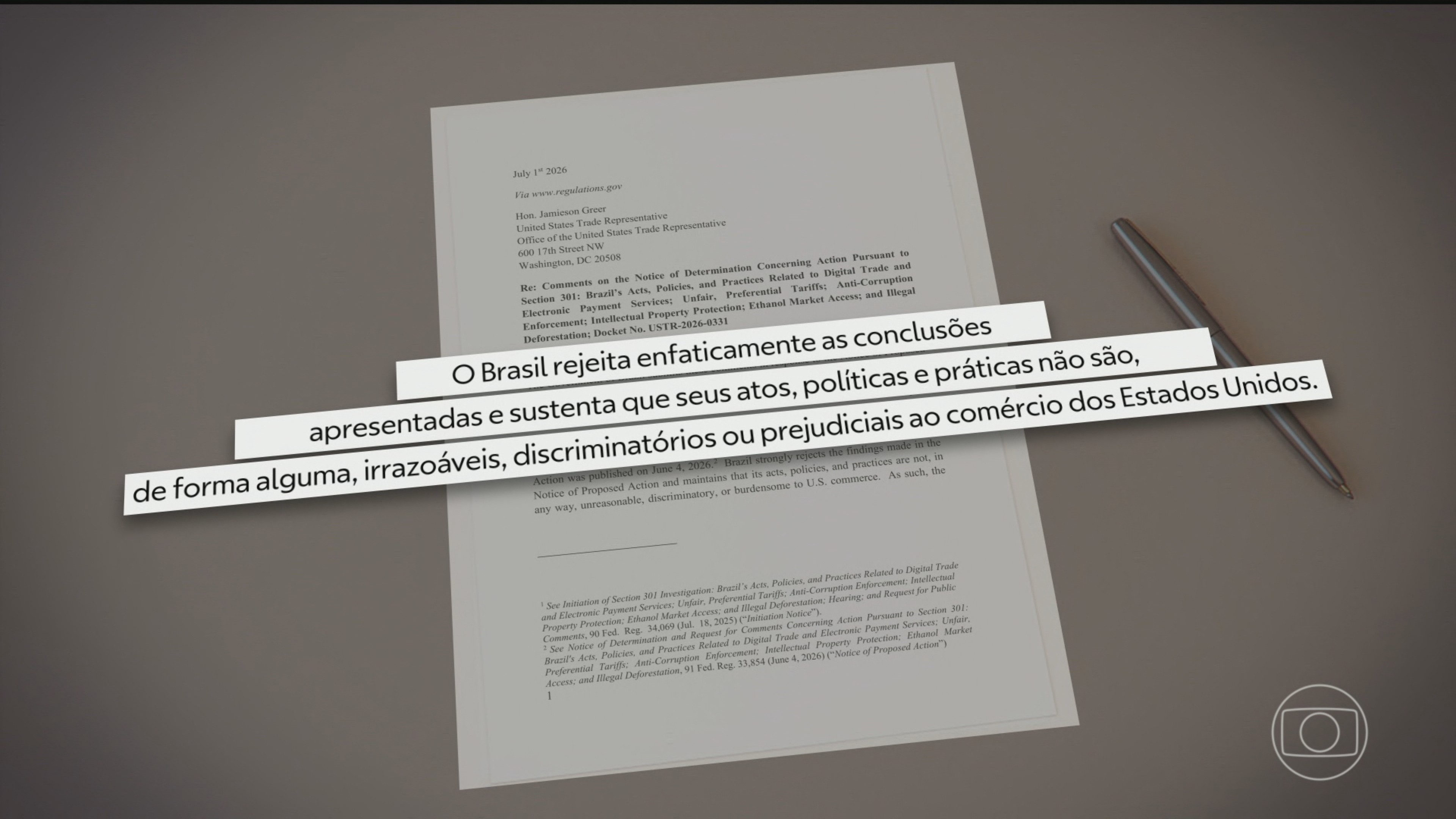
Brazil has formally presented its arguments to the United States in an ongoing investigation into alleged unfair trade practices. The U.S. Trade Representative's office initiated the probe in June, claiming Brazil's policies harm American businesses and exporters, potentially leading to additional tariffs on Brazilian products. This investigation is being conducted under Section 301 of U.S. trade law. Brazil's Ministry of Foreign Affairs, represented by Minister Mauro Vieira, submitted a response on Thursday, August 2nd, emphatically rejecting the U.S. findings. The Brazilian government asserts that its policies are not unreasonable, discriminatory, or detrimental to U.S. trade. Furthermore, Brazil argues that U.S. legislation does not grant authority to impose trade measures solely based on policy disagreements with a sovereign nation. Specifically addressing concerns about the Pix payment system, Brazil highlighted that it is an open-access, non-discriminatory public infrastructure designed to foster competition and reduce costs, and it does not exclude foreign companies. Brazil has requested that the U.S. trade body reconsider its conclusions and reiterated its commitment to resolving trade issues through cooperation. The Brazilian government is actively engaged in discussions, participating in further meetings with U.S. Trade Representative Jamieson Greer on August 2nd, as previously agreed upon by Presidents Trump and Lula. A final decision from the U.S. is anticipated by July 15th. Brazil's Minister of Development, Industry, and Commerce, Márcio Elias Rosa, stated that efforts will continue, describing the dialogue as constructive but acknowledging the need for more time to refine proposals and align positions.
This trade dispute highlights the inherent tension between national sovereignty in economic policy and international trade agreements. Brazil's defense centers on the principle that sovereign nations should have autonomy over their domestic economic choices, such as the Pix payment system, without facing punitive tariffs based on differing perspectives. The U.S. investigation, framed under Section 301, suggests a willingness to leverage trade policy to address perceived competitive disadvantages, potentially impacting global supply chains and bilateral relations. The urgency expressed by Brazil and ongoing dialogues indicate a strategic effort to de-escalate the situation and seek a cooperative resolution, acknowledging the potential economic repercussions of escalated trade friction. The outcome will likely reflect a delicate balance between U.S. domestic industry protection and broader principles of international trade law and cooperation.
AI-generated to prompt reflection — not editorial opinion, not advice, not a statement of fact. How this works.