Brazil Revises Meat Export Rules to Meet EU Antimicrobial Standards
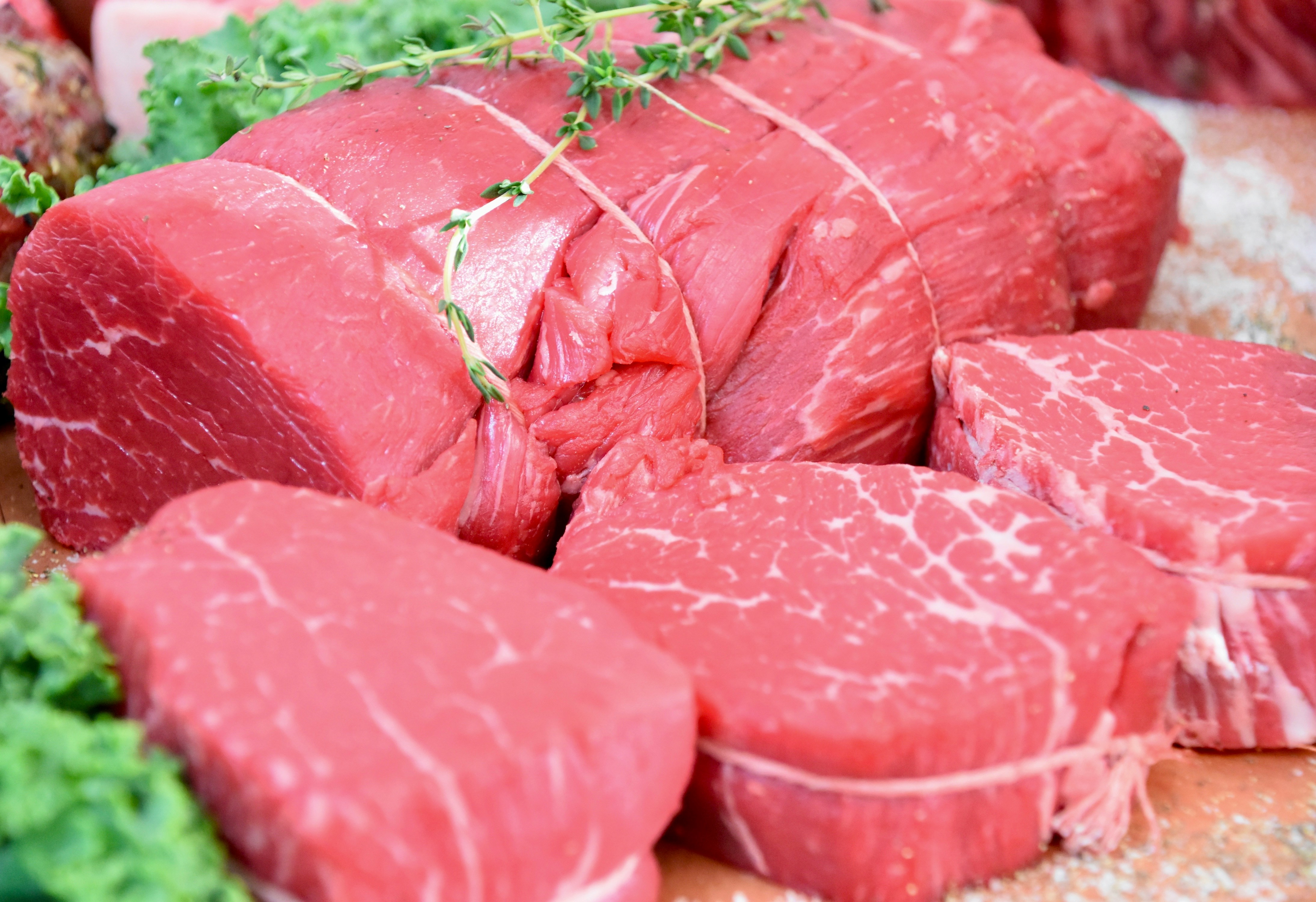
Brazil's Ministry of Agriculture has implemented new regulations for beef and derivative exports to the European Union, aiming to comply with EU requirements regarding antimicrobial use. This proactive measure seeks to prevent a potential suspension of shipments to the EU bloc, which had threatened to halt imports starting September 3rd if Brazil failed to adhere to rules prohibiting the use of antimicrobials in livestock. Antimicrobials are substances used to treat and prevent infections in animals, and some can also function as growth promoters.
Under the new directives, meatpacking plants authorized for export to the EU must establish auditable controls demonstrating adherence to European standards. These controls will ensure the traceability of materials and animals, along with maintaining evidence of lot eligibility for the EU market. Brazil had previously been removed from an EU list of authorized meat exporters in May due to concerns over antimicrobial usage. The EU represents 5.8% of Brazil's beef export value, making it the third-largest destination after China (49.3%) and the United States (9%).
The Ministry of Agriculture established a voluntary "Protocol for Certification for Cattle Free from the Use of Antimicrobial Medications" on May 29th. Participation is voluntary but essential for continued meat exports to the European market. The certification process involves hiring an accredited certifier, signing an adherence agreement, developing sanitary and nutritional plans, and proving control over the use of prohibited medications. Following document review and on-site inspection, certification can be issued within seven days.
Brazil's government is adjusting its meat export protocols to align with European Union regulations concerning antimicrobial use, a move designed to safeguard a significant portion of its beef export market. This regulatory adaptation highlights the increasing global demand for transparent and safe food supply chains, particularly from major consumer blocs like the EU. The voluntary certification process, while potentially adding costs and complexity for producers, incentivizes compliance by linking market access to adherence to specific standards. This situation underscores the evolving landscape of international trade, where non-tariff barriers, such as stringent health and safety requirements, are becoming increasingly influential in shaping agricultural trade flows and potentially influencing domestic agricultural practices.
AI-generated to prompt reflection — not editorial opinion, not advice, not a statement of fact. How this works.