Brazil's 2026 Budget: How Parliamentarians Direct Funds Through Emendas
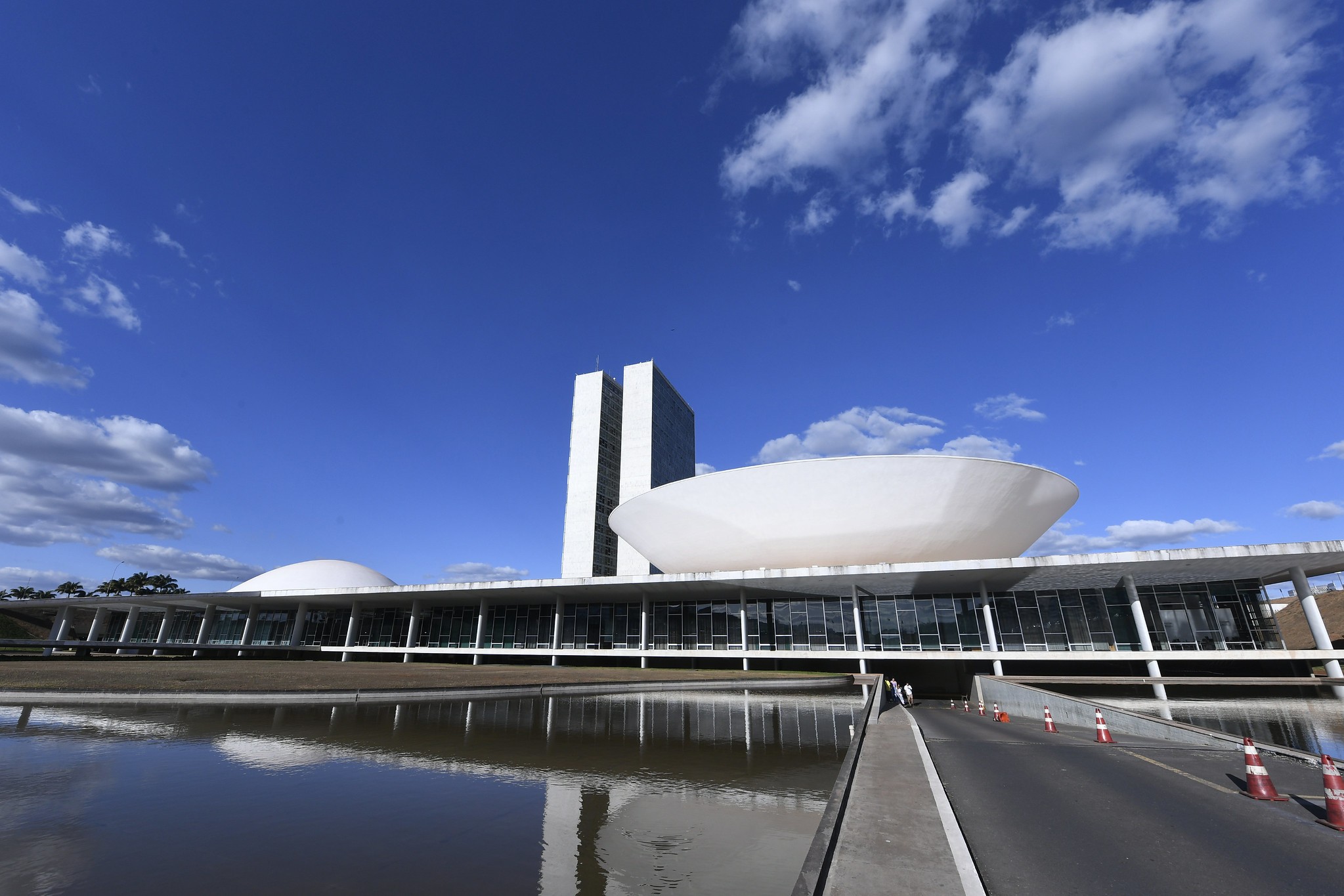
Brazil's 2026 Union Budget allocates approximately R$61 billion for parliamentary amendments, allowing deputies and senators to direct funds towards public works, equipment, services, and investments in their home states and municipalities. These amendments are a crucial mechanism for congressional influence over budget execution. The process begins with the Executive's submission of the Annual Budgetary Law Proposal (PLOA), during which parliamentarians submit their indications. Amendments can be individual, mandated by each legislator, totaling R$26.6 billion, with individual deputies able to direct around R$40 million and senators R$74 million. Block amendments, defined by state delegations, amount to R$11.2 billion. Mandatory amendments, including individual and block types, sum to R$37.8 billion. Committee amendments, totaling R$12.1 billion for 2026, are not mandatory and have faced scrutiny from the Supreme Federal Court (STF) due to a lack of transparency in identifying the true author behind party leaders who sign them, a practice likened to the former "secret budget." A Transparency Brazil study highlighted R$1.3 billion in committee amendments in 2025 attributed to party leaders without identifying the actual parliamentarians. Beyond these, R$11.1 billion is designated for discretionary spending and specific projects like the Growth Acceleration Program (PAC). Indications must adhere to constitutional rules and align with the Multi-Year Plan (PPA) and Budgetary Guidelines Law (LDO). Once approved and integrated into the sanctioned Budgetary Law, the recipient entity (municipality, state, or organization) is specified. For defined purposes, the financed object, such as a health unit or ambulance purchase, must be detailed. Special transfers, known as "PIX amendments," allow direct resource transfer to entities that then decide on application, a modality that has been investigated by the Federal Police for potential irregularities due to limited oversight. After technical analysis by ministries and the signing of agreements, amendments are "empenhado" (earmarked), signifying a formal commitment to disburse funds. This is followed by liquidation, verifying conditions, and then resource transfer, either in installments for traditional agreements or directly for PIX amendments. Finally, the recipient must provide an accountability report detailing fund usage, expenses, and met goals.
The described parliamentary amendment system in Brazil, particularly the "emendas PIX" and committee amendments, highlights a persistent tension between legislative influence and transparent, efficient public fund allocation. While intended to empower elected officials to address local needs, the structure, especially when anonymity is preserved or direct transfers bypass traditional project justifications, creates potential vulnerabilities for misuse and opacity. This system's evolution, including the shift from the "secret budget" to current mechanisms, reflects ongoing efforts to balance political representation with accountability. Future iterations will likely grapple with enhancing oversight and ensuring that funds demonstrably contribute to public good, especially in the context of Brazil's long-term development goals and the increasing demand for fiscal responsibility in an era of constrained public resources.
AI-generated to prompt reflection — not editorial opinion, not advice, not a statement of fact. How this works.