Brazil's 2026 Election: Party Conventions Begin for Candidate Selection
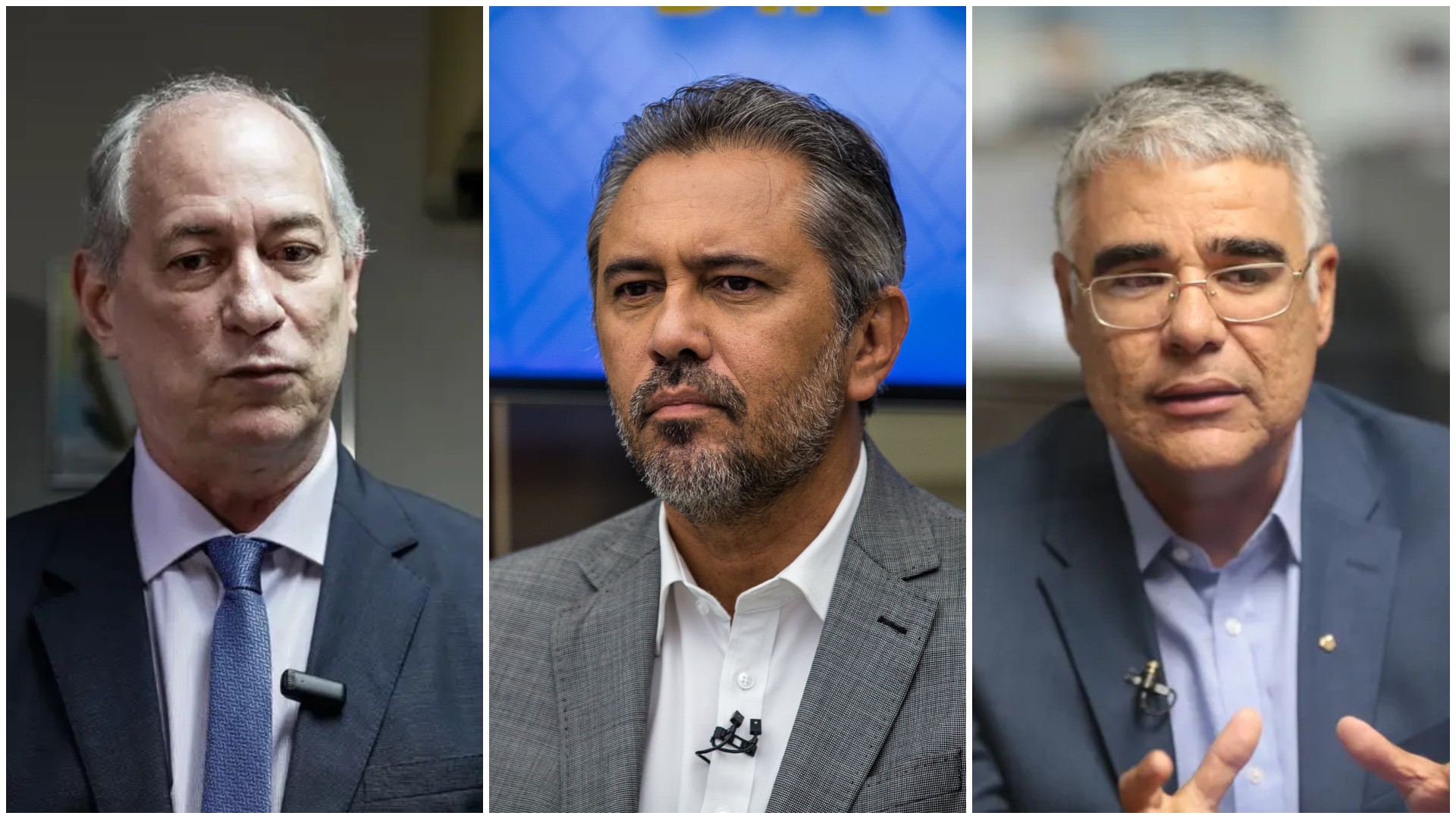
Brazilian political parties are commencing their national conventions on Monday, July 20th, to select candidates for the 2026 general elections. This period, running until August 5th, is crucial for defining who will represent each party across various offices, including president, governors, senators, and federal and state deputies. Following the conventions, parties have until August 15th to formally submit their candidacies to the Electoral Justice system, with official campaigning set to begin on August 16th. In Ceará state, seven parties have announced plans to field gubernatorial candidates, with conventions formalizing these choices. Notable pre-candidates in Ceará include Governor Elmano de Freitas (PT), former minister Ciro Gomes (PSDB), and Senator Eduardo Girão (Novo). Recent polling indicates Ciro Gomes leads with 41% intent, followed by Elmano de Freitas at 31% and Eduardo Girão at 5%. The political landscape in Ceará is shaped by the ongoing rivalry between brothers Cid Gomes and Ciro Gomes, who are on opposing sides for the 2026 elections, reflecting a broader nationalization of state-level political contests. The election calendar also outlines key dates for free electoral advertising on radio and television, restrictions on firearm transport, and the election days themselves: October 4th for the first round and October 25th for a potential second round.
The upcoming party conventions mark a critical juncture in Brazil's electoral cycle, serving as the formal mechanism for candidate selection and coalition building. This process highlights the interplay between national political dynamics and regional power structures, as evidenced by the Ceará gubernatorial race. The influence of presidential endorsements and party affiliations on state-level contests underscores the importance of understanding these interconnected incentive structures. As Brazil navigates its electoral future, the ability of parties to effectively mobilize support and articulate distinct policy platforms will be paramount. The legal frameworks governing candidacies and campaign finance, including gender quotas, aim to ensure a degree of fairness and representation, though their enforcement and impact warrant ongoing scrutiny. The evolving relationship between established political figures and emerging candidates will shape the broader political trajectory over the next decade.
AI-generated to prompt reflection — not editorial opinion, not advice, not a statement of fact. How this works.