Brazil's 2026 Presidential Race Heats Up with Party Conventions
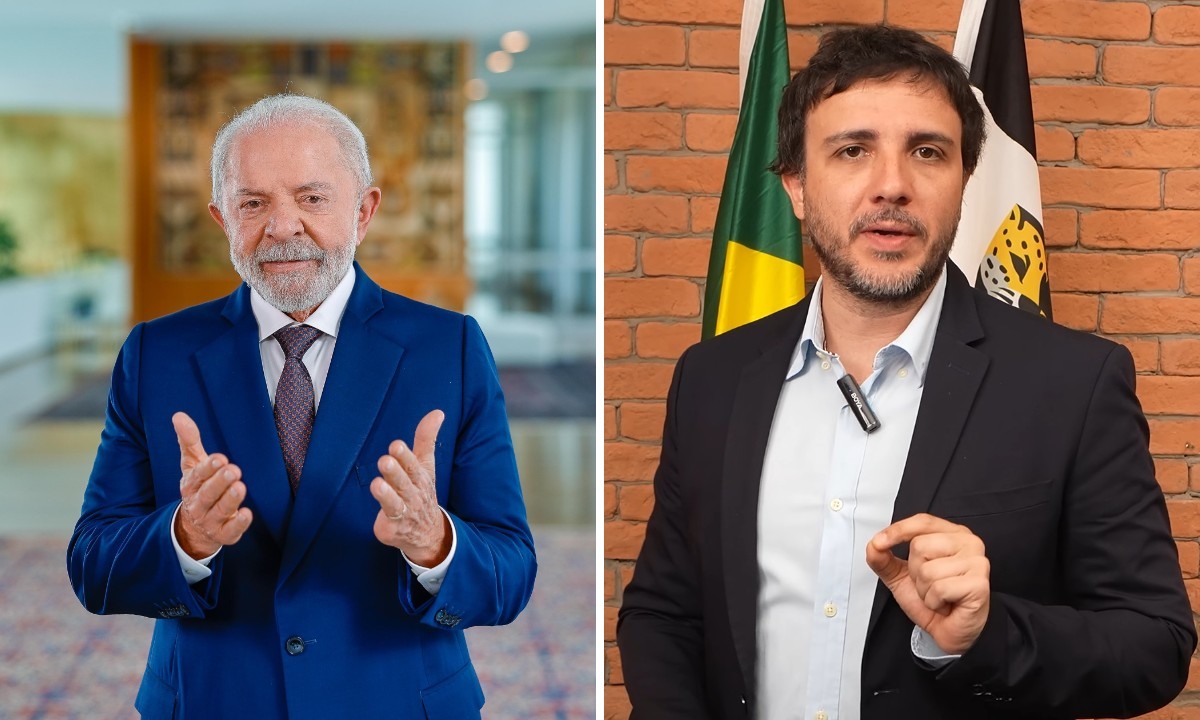
Brazilian President Luiz Inácio Lula da Silva (PT) and businessman Renan Santos (Missão) are holding party conventions this weekend to formalize their candidacies for the 2026 presidential election. Lula will attend the PT's event in São Paulo on Sunday, June 2nd, seeking a fourth term. His running mate will again be Vice President Geraldo Alckmin (PSB), marking the only officially formed presidential ticket by a party alliance so far. Lula previously won elections in 2002, 2006, and 2022.
Renan Santos is making his presidential debut with the newcomer Missão party. His candidacy was confirmed on July 20th, with the convention's early date attributed to security reasons and ensuring Federal Police support. Several other presidential hopefuls, including Flávio Bolsonaro and Romeu Zema, are also holding or have held their conventions. Party conventions, which began on July 20th and must conclude by August 5th, are crucial for officially selecting candidates for various offices, including president, governor, senator, and federal and state deputies. These events also determine the ballot numbers for candidates and must adhere to specific rules set by the Superior Electoral Court, such as submitting official minutes and attendance lists to the electoral justice system.
The formalization of candidacies through party conventions marks a critical procedural step in Brazil's electoral cycle, ensuring candidates meet legal requirements for registration. While President Lula's convention solidifies his bid for re-election, leveraging established alliances, Renan Santos's debut with a new party highlights the dynamic landscape of emerging political forces. The process underscores the importance of party structures and electoral regulations in shaping the presidential contest. As the election cycle progresses, the effectiveness of campaign strategies, resource allocation, and the ability to mobilize diverse voter bases will be key determinants of success for both established and new political actors.
AI-generated to prompt reflection — not editorial opinion, not advice, not a statement of fact. How this works.