Brazil's 24-Year World Cup Knockout Curse Against European Teams
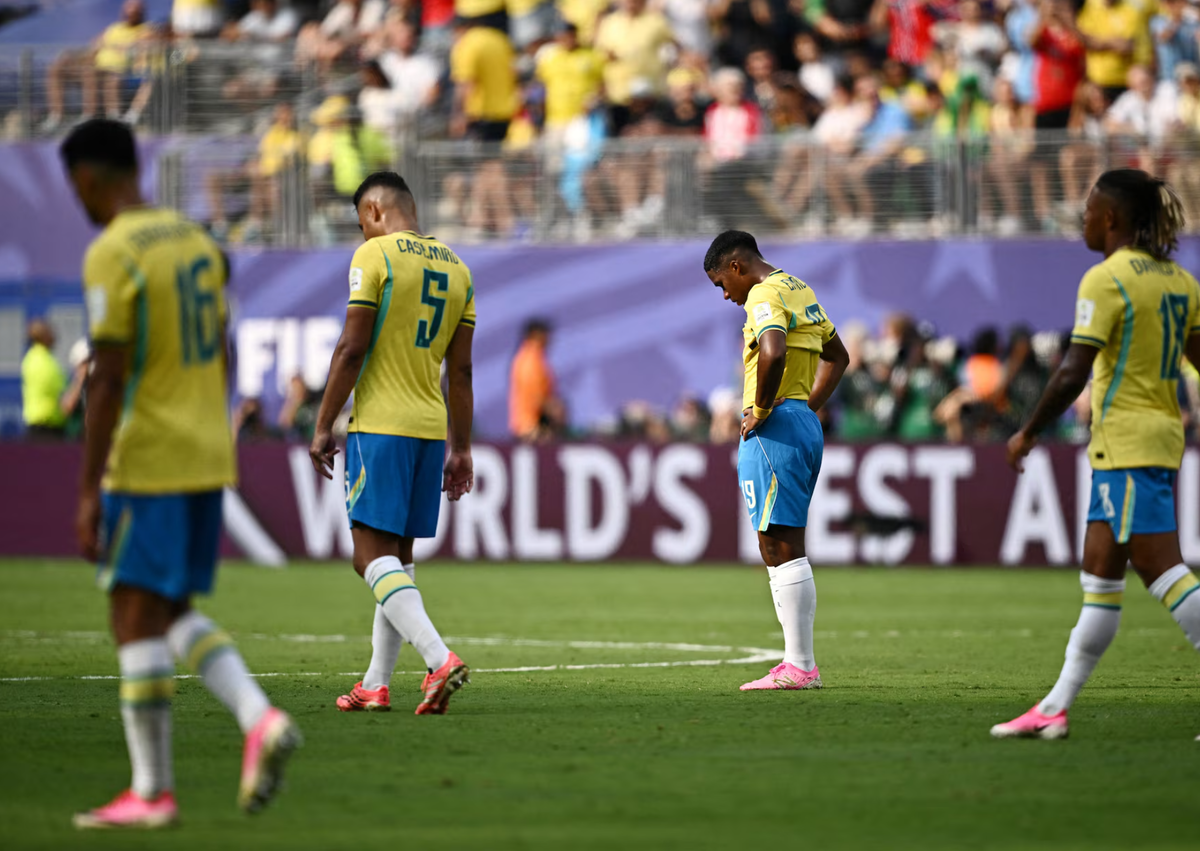
The Brazilian national football team has faced a persistent challenge in the knockout stages of the FIFA World Cup, being eliminated by European opponents for six consecutive tournaments. This streak has spanned a total of 24 years, highlighting a recurring pattern of their World Cup campaigns ending at the hands of European nations. The latest instance of this phenomenon occurred in the most recent World Cup, continuing a trend that began in 2006. This recurring outcome raises questions about Brazil's performance and tactical approaches when facing European opposition in critical knockout matches. The team's historical dominance in football has been repeatedly tested and ultimately halted by European powerhouses in these crucial stages of the tournament. The consistency of these defeats over more than two decades suggests a complex issue that has yet to be definitively overcome by the Brazilian squad.
Brazil's recurring World Cup knock-out stage exits against European teams over 24 years present a fascinating case study in international sports dynamics. This pattern suggests potential systemic factors, possibly related to tactical adaptability, psychological pressure in high-stakes matches against European styles of play, or perhaps even historical performance biases. Analyzing this trend through the lens of future AI-driven sports analytics could reveal specific strategic vulnerabilities or strengths that have been consistently exploited. Understanding these dynamics is crucial for Brazil's future preparation and for broader insights into the evolving landscape of global football competition, where technological advancements are increasingly influencing performance and strategy.
AI-generated to prompt reflection — not editorial opinion, not advice, not a statement of fact. How this works.