Brazil's Agri-Exporters Lobby US Against Trump's Proposed Tariffs
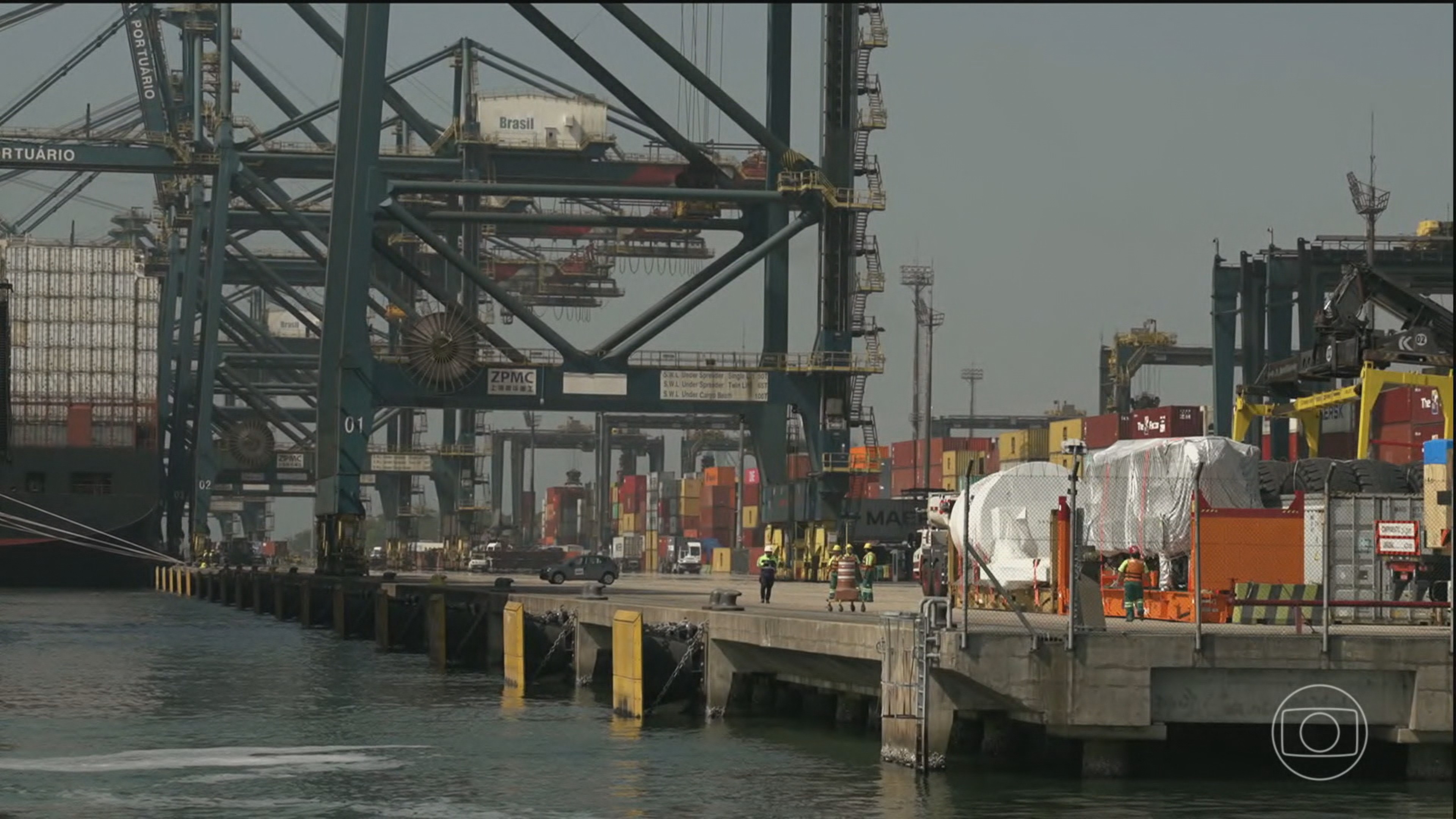
Representatives from Brazil's coffee, fish, and honey sectors are in Washington D.C. to argue against new tariffs proposed by former President Donald Trump. These tariffs, part of a broader negotiation strategy by the U.S., could impact Brazilian exports. The proposed tariffs include a 25% rate on various Brazilian goods and an additional 12.5% on 60 countries for failing to combat forced labor, with Brazil included in both measures.
The honey industry, represented by the Brazilian Association of Honey Exporters and Lambertucci Trade Solution, emphasizes Brazil's critical role as the primary supplier of honey to the U.S., especially organic varieties (83% of imports). They argue that U.S. domestic production cannot meet demand and that imposing tariffs would lead to price increases and shortages for American consumers. The sector also highlights the long transition period required for organic production, making short-term substitution impossible and risking job losses in the U.S. import sector.
For soluble coffee, the Brazilian Association of Soluble Coffee Industry (Abics) points out that the U.S. produces only 6% of its soluble coffee needs, with Brazil supplying 37% of imports in 2024. Abics argues that tariffs lack logic as Brazil is not a competitor in this sector and could inflate consumer prices. They also note that some flavored soluble coffees are exempt, suggesting a potential classification error. The fish sector, defended by the U.S. National Fisheries Institute (NFI), faces a potential 37.5% tariff. Their arguments focus on Brazil's role as a strategic supplier, particularly for tilapia, and adherence to international standards for sustainability, food safety, and ethical labor practices, contrasting with large-scale industrial fishing.
The proposed U.S. tariffs on Brazilian goods, including coffee, honey, and fish, appear to be leverage in broader trade negotiations, rather than solely punitive measures. Brazilian industry representatives are actively engaging in the U.S. public hearing process, highlighting their critical supply chain roles and the potential negative impacts on American consumers and businesses. The defense strategies focus on demonstrating non-competitiveness, supply chain dependencies, and adherence to international standards. This situation underscores the complex interplay between geopolitical objectives, domestic economic considerations, and global trade dynamics. As artificial intelligence increasingly influences market analysis and supply chain management, such tariff disputes may evolve, potentially leading to more sophisticated negotiation tactics or the accelerated development of alternative sourcing strategies by affected nations.
AI-generated to prompt reflection — not editorial opinion, not advice, not a statement of fact. How this works.