Brazil's Agribusiness Faces Over 36% Impact from New US Tariffs; Government Seeks Dialogue
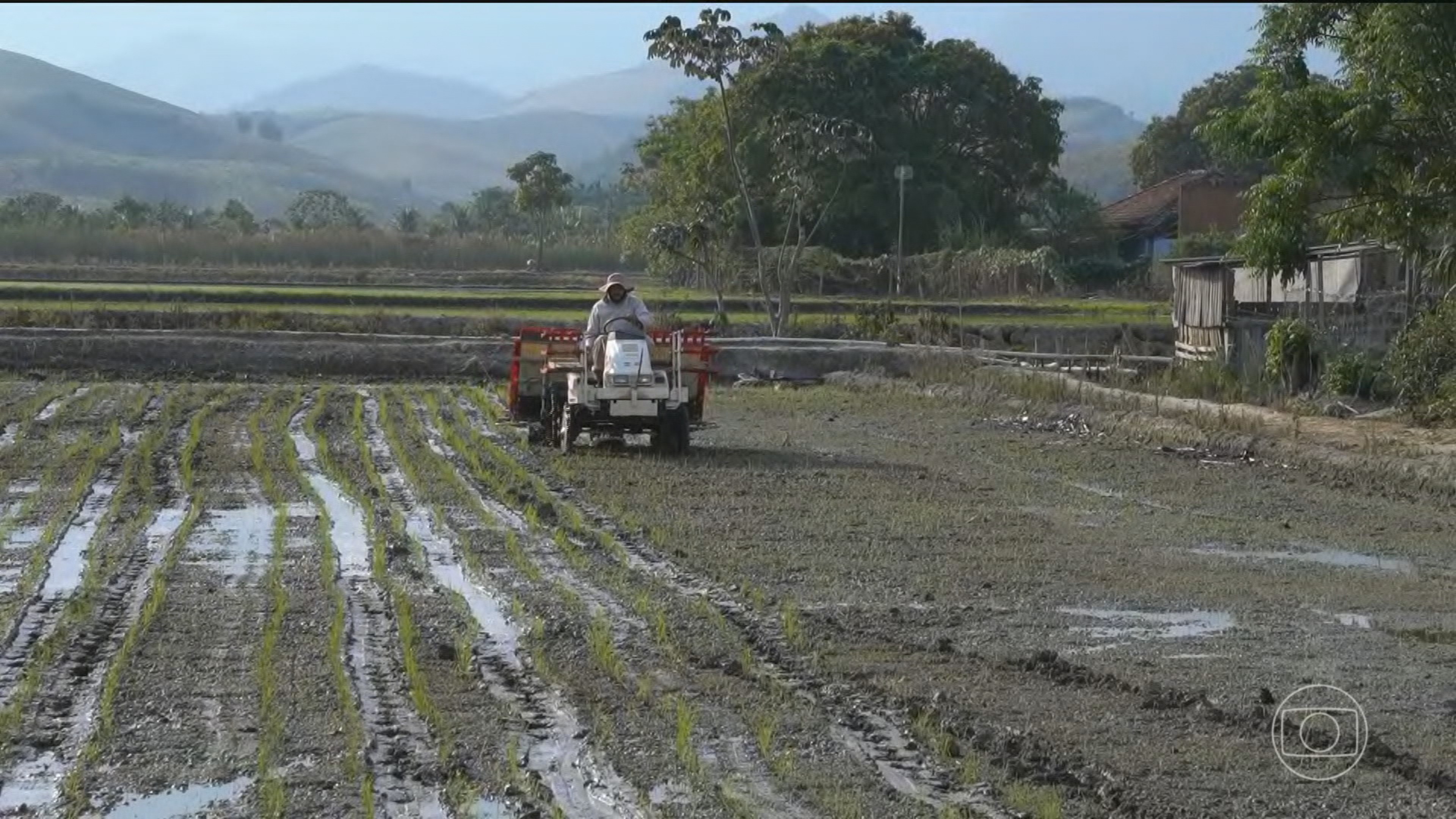
Brazil's agribusiness sector anticipates a significant impact of over 36% due to new tariffs imposed by Donald Trump's administration. The Confederation of Agriculture and Livestock estimates the tariffs will affect R$4.6 billion annually, representing 36.5% of the sector's exports to the United States. Overall, the Brazilian government calculates an 18% impact on total exports, with São Paulo and Santa Catarina expected to be the most affected states, jointly responsible for half of the affected products. The President of Apex, the Brazilian Agency for Export Promotion and Investment, Laudemir Müller, called the measure "absurd" and announced a R$130 million plan to diversify export markets, working with 57 private sector entities. Finance Minister Dario Durigan is also in discussions with affected sectors to expand support programs, focusing on offering lower-interest credit. While the government is evaluating the use of a reciprocity law, Minister Durigan stated that retaliation is not currently planned. The President of the Chamber of Deputies, Hugo Motta, expressed repudiation and highlighted the Economic Reciprocity Law as a legitimate defense tool. President Lula plans to engage in a "war of narratives" with President Trump to present the truth regarding the tariff dispute, emphasizing Brazil's peaceful stance but its commitment to defending its interests through dialogue and truth. Vice President Geraldo Alckmin affirmed that Brazil will remain at the negotiation table, insisting on tariff reduction and supporting affected sectors.
The imposition of new tariffs by the US administration presents a complex challenge for Brazil's export-oriented economy, particularly its vital agribusiness sector. This trade friction highlights the inherent instability in international commerce when policy decisions prioritize national interests over established trade relationships. Brazil's response, focusing on market diversification and support for affected industries, reflects a strategic effort to mitigate immediate economic shocks while signaling a commitment to negotiation rather than outright retaliation. Looking ahead, such tariff disputes underscore the need for robust, diversified global supply chains and international trade frameworks that can withstand geopolitical pressures. The Brazilian government's emphasis on a "war of narratives" suggests an awareness that public perception and the framing of trade disputes can significantly influence outcomes, especially in an era where information flows rapidly and can be weaponized.
AI-generated to prompt reflection — not editorial opinion, not advice, not a statement of fact. How this works.