Brazil's AgSUS Opens 82 Health Positions for Indigenous Communities in Roraima
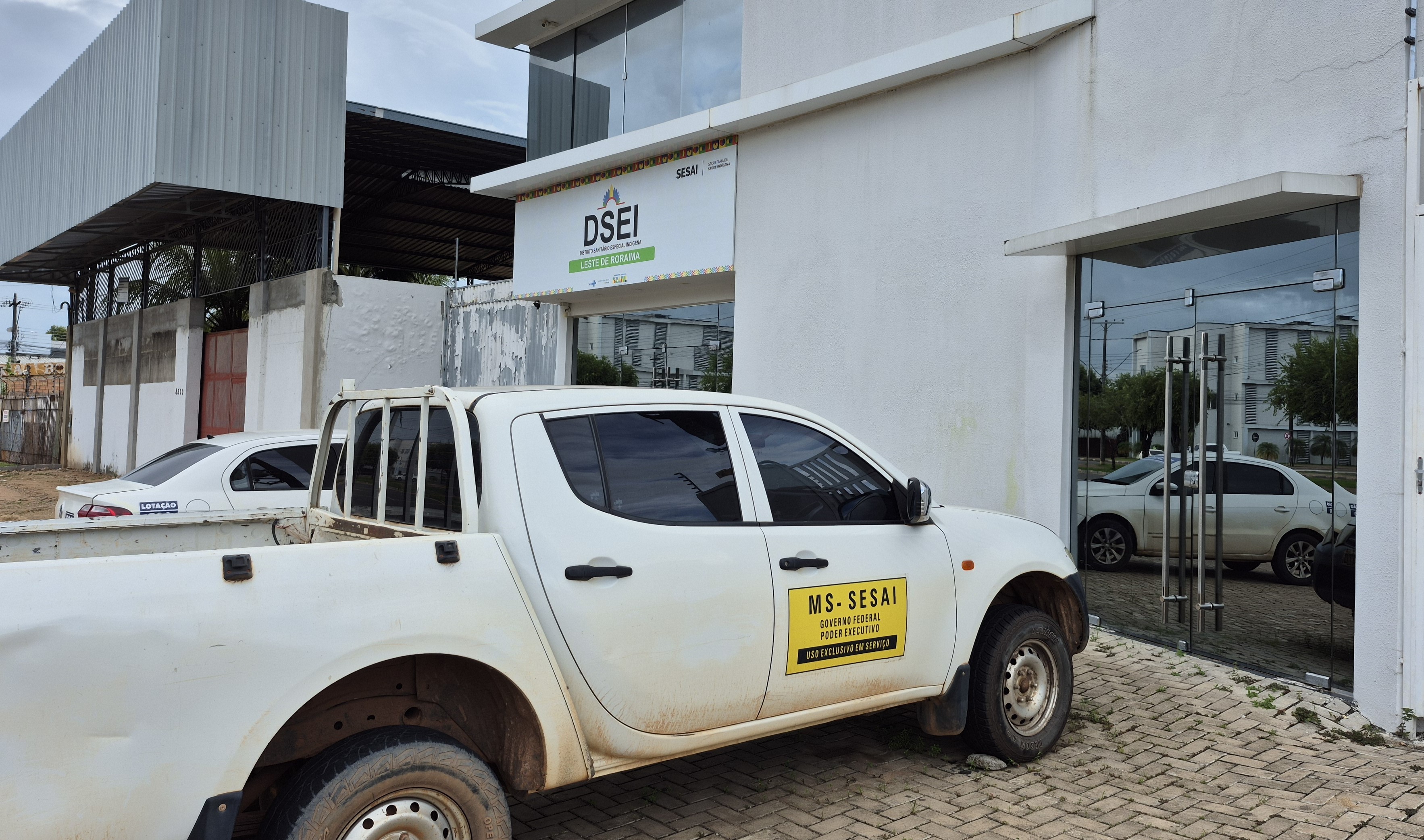
The Brazilian Agency for SUS Support (AgSUS) has announced a simplified selection process for 82 immediate vacancies and a reserve pool to serve indigenous health in Roraima. Applications are open until July 17th, with salaries ranging from R$2,200 to R$17,700, depending on the position. This initiative was requested by the Secretariat of Indigenous Health (Sesai), which is linked to the Ministry of Health. The selected professionals will work at the headquarters or facilities of the Special Indigenous Health District (Dsei) East of Roraima. The selection process includes affirmative action policies, reserving 25% of positions for Black and mixed-race individuals, 5% for people with disabilities, 3% for indigenous candidates, and 2% for quilombolas.
Vacancies span various educational levels. For higher education, roles include doctors, nurses, nutritionists, psychologists, pharmacists, social workers, dentists, biologists, architects, and engineers, with salaries from R$7,060 to R$17,700. Technical positions are available for nursing, building, laboratory, electrical, sanitation, environmental control, oral health, and chemistry technicians, earning up to R$3,330. High school graduates can apply for administrative assistant roles with salaries between R$2,800 and R$4,800. For those with elementary education, opportunities exist as oral health assistants and endemic disease combat agents, with salaries from R$2,200 to R$3,242.
The selection involves two stages: document and title evaluation, considering academic background, training, experience, and ethnic background, followed by an individual interview assessing technical, intercultural, behavioral, and situational competencies. The final results are expected on September 28th.
This selection process addresses critical staffing needs within Brazil's indigenous health system, particularly in the Roraima region. By offering competitive salaries, especially for higher-level positions, the initiative aims to attract qualified professionals to remote and underserved areas. The inclusion of affirmative action measures reflects a commitment to equitable representation and acknowledges the unique cultural context of indigenous communities. Future efforts could explore sustainable models for retaining healthcare professionals in these challenging environments, potentially through long-term career development programs and enhanced support structures, thereby strengthening the overall resilience and effectiveness of the indigenous healthcare network.
AI-generated to prompt reflection — not editorial opinion, not advice, not a statement of fact. How this works.