Brazil's ANEEL Fines Neoenergia Coelba a Record R$82.7 Million for Solar Connection Irregularities
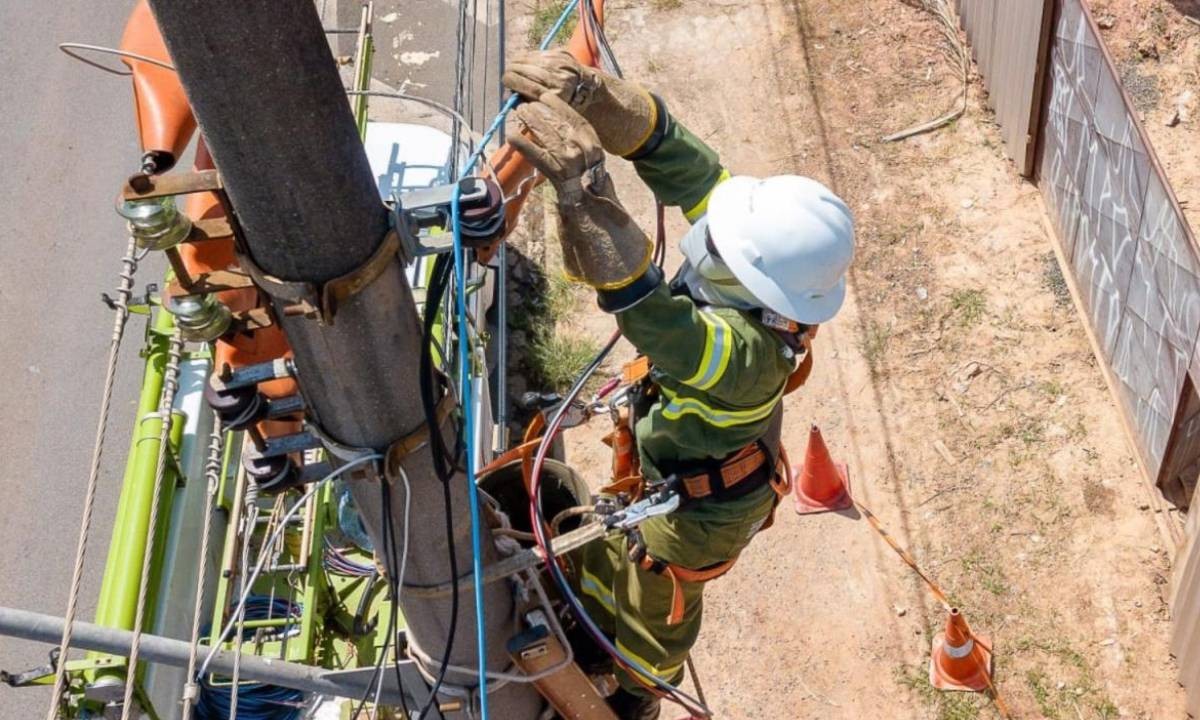
Brazil's National Electric Energy Agency (ANEEL) has imposed a record fine of R$82.7 million on Neoenergia Coelba, the electricity distributor for most of Bahia state, due to irregularities in connecting distributed generation systems. This penalty, the largest ever for distributed generation violations, addresses issues with micro and mini-generation, which includes consumers generating their own power, primarily through solar panels. Neoenergia Coelba, serving approximately 6.7 million consumers across 415 municipalities, has 10 days to appeal or pay the fine. ANEEL identified three main violations: improperly rejecting connection requests, failing to meet deadlines for issuing connection budgets, and providing delayed or incomplete information to consumers. The fine represents 0.56% of the company's net operating revenue. Distributed generation, which has grown rapidly in Brazil driven by solar energy, allows consumers to produce their own electricity and send surplus to the grid for credits. Neoenergia Coelba stated it is analyzing the decision and attributes the issues to the transition period following the enactment of Law nº 14.300/2022, which established a new legal framework for micro and mini-generation. The company reported an "exceptional and unprecedented" surge in connection requests, with January 2023 alone seeing a volume equivalent to the first ten months of 2022, necessitating extraordinary operational efforts. Neoenergia Coelba reaffirmed its commitment to service quality and regulatory compliance.
This significant fine highlights the regulatory challenges and operational strains associated with the rapid expansion of distributed energy generation in Brazil. While ANEEL's action aims to enforce compliance and protect consumer rights, Neoenergia Coelba's defense points to the substantial, unforeseen demand surge following new legislation. The case underscores a systemic tension between regulatory frameworks designed for gradual change and the accelerating pace of technological adoption, particularly in the renewable energy sector. Future regulatory approaches may need to incorporate more dynamic mechanisms for managing demand spikes and ensuring timely service delivery during periods of rapid market evolution, balancing consumer protection with the practicalities of utility operations in an era of decentralized energy.
AI-generated to prompt reflection — not editorial opinion, not advice, not a statement of fact. How this works.