Brazil's ANP and Maranhão's Procon Partner to Enhance Fuel Market Oversight
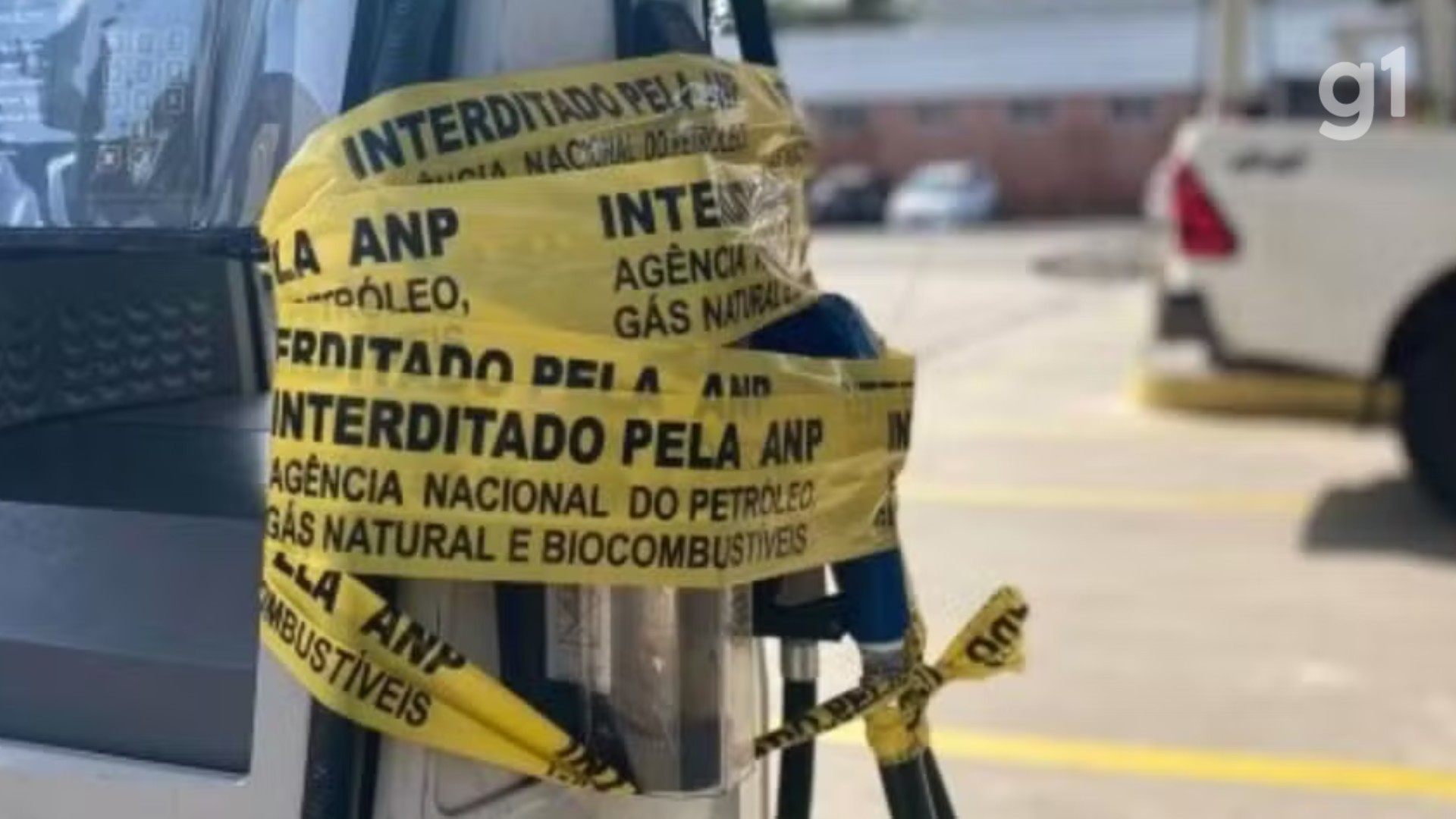
Brazil's National Agency of Petroleum, Natural Gas, and Biofuels (ANP) has entered into a technical and operational cooperation agreement with the Maranhão Institute for the Promotion and Defense of Citizens and Consumers (Procon-MA). This partnership aims to strengthen the oversight of the fuel market within the state. The agreement, published in the Official Gazette of the Union on Thursday, May 30, will facilitate joint actions by both agencies. These actions will focus on inspecting companies involved in the transport, resale, and sale of petroleum derivatives and biofuels. The primary goal is to detect and address non-compliance and ensure adherence to sector regulations. The collaboration also includes collecting fuel prices from retailers and implementing educational initiatives for market participants regarding ANP rules and current legislation. A key measure involves georeferencing economic agents, which means recording the locations of companies in the sector. This is expected to update ANP's records, improve data organization, and aid in planning future inspections. Following the agreement's signing, a joint work plan will be developed to outline the collaborative operational framework. Procon-MA personnel, after receiving training from the ANP, will be authorized to conduct inspections on behalf of the agency, adhering to federal guidelines. The agreement, valid for 60 months with potential for extension, does not involve financial resource transfers between the organizations. This initiative is part of the ANP's broader strategy to expand its oversight and market monitoring across Brazil through cooperation with public bodies nationwide.
This agreement between the ANP and Procon-MA represents a strategic effort to enhance regulatory enforcement in Brazil's fuel sector by leveraging the localized presence and consumer protection mandate of state-level agencies. By pooling resources and expertise, the ANP can extend its reach and improve data accuracy through initiatives like georeferencing, while Procon-MA gains enhanced capacity for consumer protection in a critical market. This decentralized approach to oversight, without direct financial transfer, suggests a focus on operational efficiency and shared responsibility. Looking ahead, the effectiveness of this partnership will depend on the sustained commitment to training, clear communication protocols, and the timely integration of data collected into actionable policy adjustments. The long-term success hinges on whether this model can be replicated and scaled to address systemic issues of market integrity and consumer trust across other Brazilian states, particularly as the energy landscape evolves.
AI-generated to prompt reflection — not editorial opinion, not advice, not a statement of fact. How this works.