Brazil's Anvisa Designates Ozivy as Reference Drug for Semaglutide
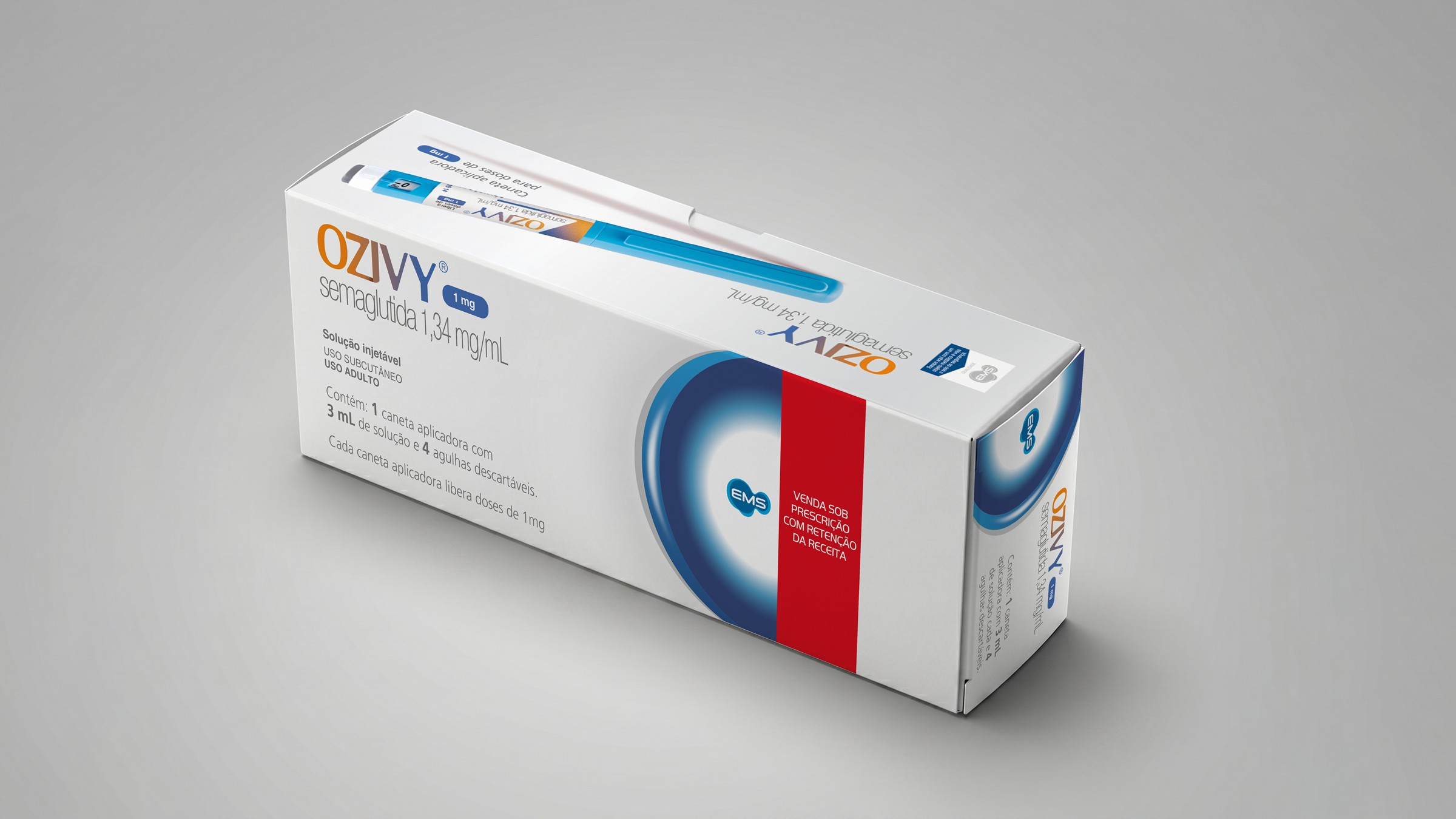
Brazil's National Health Surveillance Agency (Anvisa) has officially added Ozivy, a semaglutide-based medication, to its List of Reference Drugs (LMR). This designation, published in the Official Gazette on Friday, May 10th, does not signify a new drug approval but establishes Ozivy as a benchmark for quality, safety, and efficacy. This allows other laboratories to develop generic or similar versions in the future. Ozivy, manufactured by EMS, received Anvisa's registration approval in May. It shares the same active ingredient, semaglutide, a GLP-1 receptor agonist that mimics a natural gut hormone to aid blood glucose control and increase satiety. The Anvisa update specifies the listed formulation as a 1.34 mg/mL injectable solution of semaglutide. While Ozempic and Ozivy both contain semaglutide, they follow different regulatory paths. Ozempic is registered as a biologic, requiring biosimilar development with extensive comparative studies. Ozivy, however, was approved as a synthetic semaglutide, classified as a synthetic analog of a biological peptide, making it eligible for the LMR. This classification is crucial because reference drugs serve as the standard for Anvisa's comparison with other products containing the same active ingredient, ensuring equivalent quality, safety, and performance for generics and similars. The semaglutide market has surged due to its use in treating type 2 diabetes and its weight-loss effects, with popular drugs like Ozempic and Wegovy from Novo Nordisk, and Mounjaro from Eli Lilly. Medical professionals emphasize that these medications have specific indications and require medical supervision.
Anvisa's inclusion of Ozivy on the List of Reference Drugs signifies a strategic move to foster domestic pharmaceutical competition and potentially reduce medication costs within Brazil. By establishing a Brazilian-made synthetic semaglutide as a reference standard, Anvisa is creating a pathway for local companies to develop and market more affordable alternatives to originator biologics. This regulatory approach leverages the established efficacy of semaglutide while navigating the complex pathways for synthetic analogs versus biologics. The agency's action reflects a broader trend of national health authorities seeking to balance innovation with accessibility, particularly for high-demand therapeutic classes like GLP-1 receptor agonists. This policy could reshape the market dynamics for diabetes and weight-management drugs in Brazil over the next decade, encouraging greater local manufacturing capacity and potentially influencing global supply chains for semaglutide-based treatments.
AI-generated to prompt reflection — not editorial opinion, not advice, not a statement of fact. How this works.