Brazil's Anvisa Orders Recall of Contaminated Cheese and Pesto Sauce
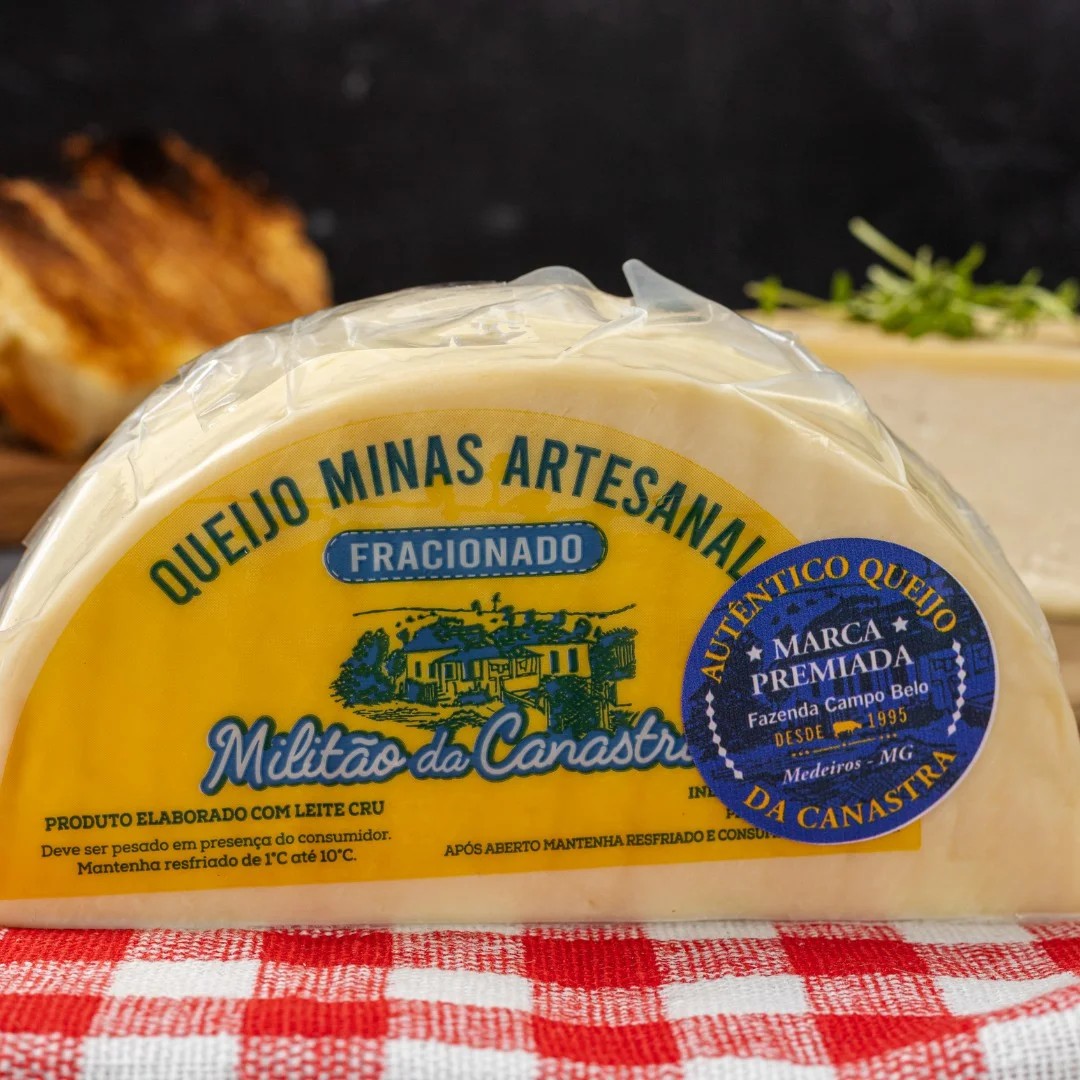
Brazil's National Health Surveillance Agency (Anvisa) has ordered the recall of two food products due to distinct issues. A batch of Militão da Canastra artisanal Minas cheese, lot 42, manufactured on June 30, 2026, and valid until September 30, 2026, has been found to contain levels of coliforms exceeding permitted limits. This contamination was identified by the Ministry of Agriculture and Livestock and may indicate hygiene failures during production or handling. The manufacturer, Queijaria Militão da Canastra, has initiated a voluntary recall, stating that the entire affected lot has been collected for disposal and no adverse health events have been reported.
Separately, Anvisa also mandated the recall of De Cecco's Red Pesto Sauce with Mascarpone, lot 07225288. This recall is not due to microbial contamination but rather a labeling issue. The manufacturer, Cia Bel de Alimentos (Festval), failed to declare the mandatory presence of walnuts, a common allergen, on the product's packaging. This omission poses a significant risk to individuals with nut allergies, who can experience severe reactions. Consumers are advised not to consume these specific batches and to contact the manufacturers or retailers for information on returns, replacements, or refunds.
Anvisa's actions highlight the critical role of regulatory bodies in safeguarding public health by enforcing food safety standards. The recall of the artisanal cheese underscores the persistent challenges in maintaining hygiene and quality control in food production, particularly for smaller-scale operations. The pesto sauce recall points to the vital importance of accurate allergen labeling in preventing severe health consequences for vulnerable consumers. These incidents emphasize the need for robust traceability systems and transparent communication between manufacturers, regulators, and the public. Moving forward, advancements in food safety technology and stricter oversight could further mitigate risks associated with microbial contamination and undeclared allergens, ensuring greater consumer confidence in the food supply chain.
AI-generated to prompt reflection — not editorial opinion, not advice, not a statement of fact. How this works.