Brazil's Anvisa Recalls Mamba Water Batches Due to Bacterial Contamination
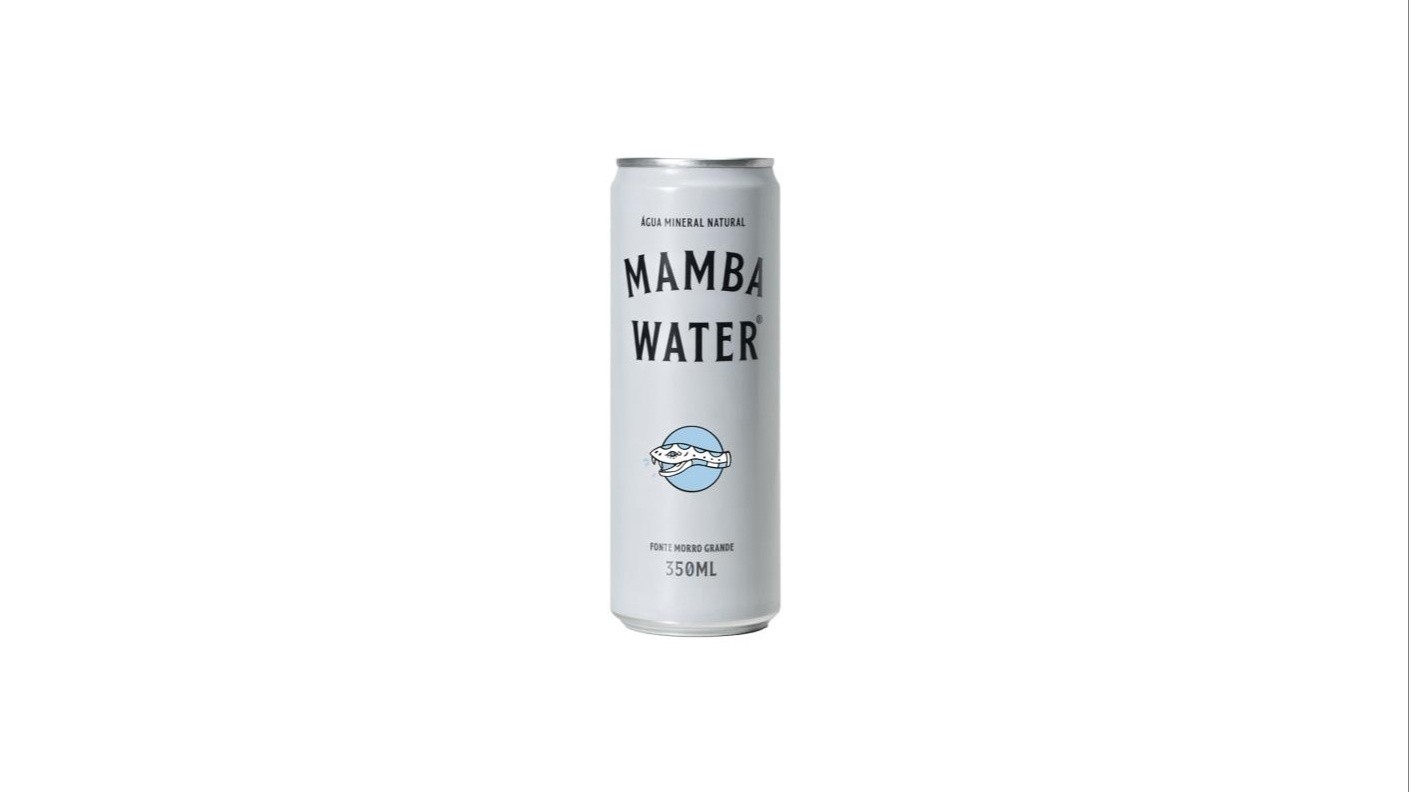
Brazil's National Health Surveillance Agency (Anvisa) has ordered the recall of two specific batches of Mamba Water, a still mineral water product. The directive follows the detection of the bacterium Pseudomonas aeruginosa during quality control analyses conducted by the manufacturer itself, HNK BR Indústria de Bebidas Ltda. This marks the third incident involving this microorganism in Brazil within a few months. Previously, in April, the same bacteria was found in over 100 batches of products from Ypê, and in June, it led to the recall of a batch of Crystal mineral water. The affected Mamba Water products are 350 ml cans from batches 13 and 14, manufactured on April 3 and 4, 2026, respectively, with an expiration date of April 2027. Anvisa's resolution, published in the Official Gazette, mandates the voluntary recall and suspends the sale, distribution, and use of these specific batches. The manufacturer voluntarily reported the contamination to Anvisa after identifying it in routine testing. The report does not specify if any consumers have been affected. Pseudomonas aeruginosa is an opportunistic bacterium that generally poses little risk to healthy individuals but can cause infections in those with compromised immune systems, such as the elderly, children, cancer patients, transplant recipients, and individuals with uncontrolled HIV or on immunosuppressants. Despite the low general risk, Brazilian sanitary legislation prohibits its presence in water intended for human consumption, necessitating recalls when detected.
The repeated detection of Pseudomonas aeruginosa in consumer products, including mineral water and cleaning supplies, highlights potential systemic issues in quality control and supply chain integrity within Brazil's food and beverage industry. While Anvisa's proactive recall measures are crucial for public health, the recurring nature of such contamination events suggests a need for enhanced regulatory oversight and stricter adherence to manufacturing standards across the sector. This situation underscores the importance of robust internal testing protocols for manufacturers and the critical role of regulatory bodies in safeguarding consumer safety, particularly for vulnerable populations. Future strategies might involve incentivizing advanced purification technologies and implementing more rigorous, unannounced inspections to mitigate such risks.
AI-generated to prompt reflection — not editorial opinion, not advice, not a statement of fact. How this works.