Brazil's App Driver and Taxi Driver Loan Program Exceeds R$2.2 Billion
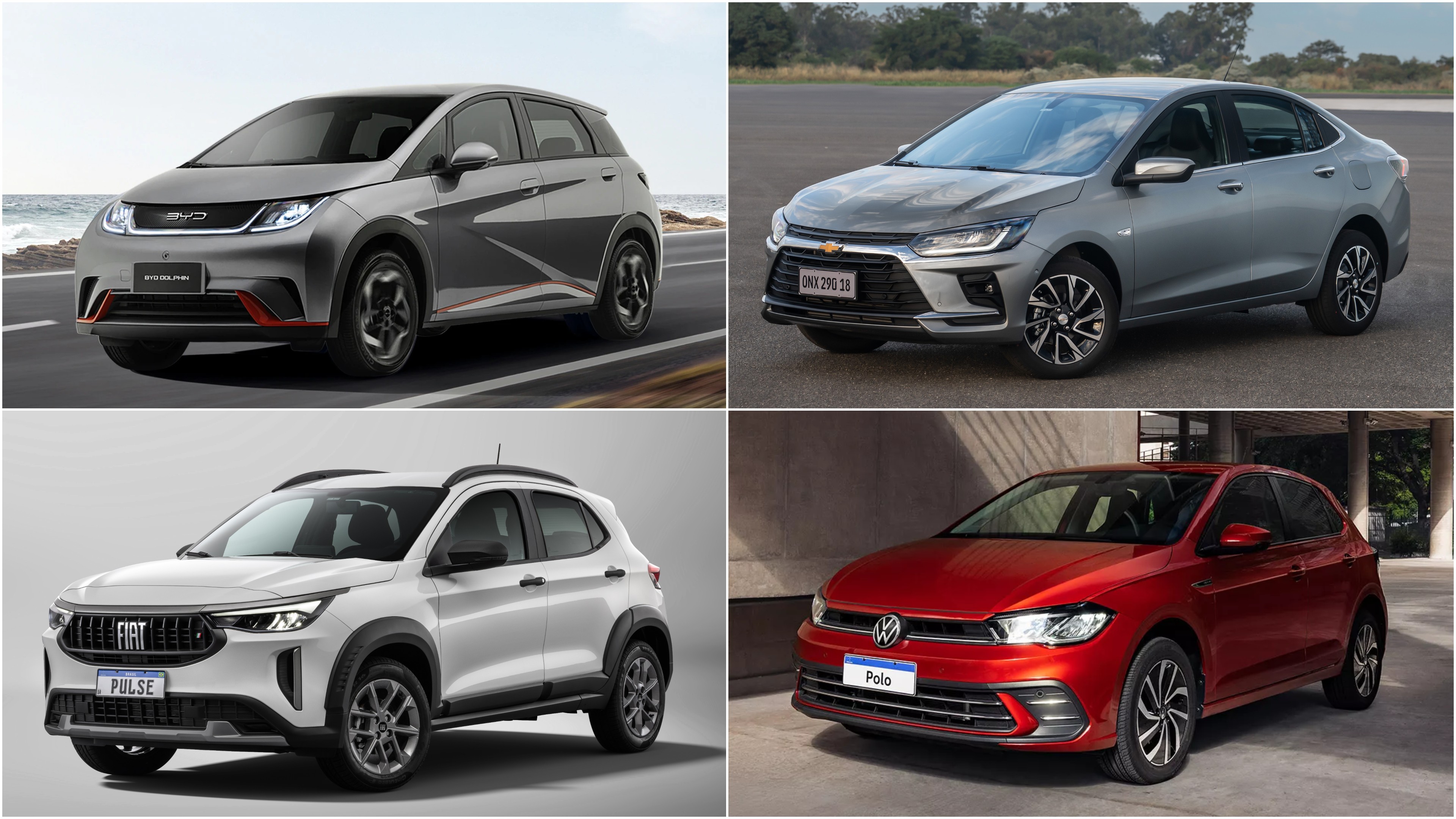
The 'Move Aplicativos' credit program, designed to offer lower interest rates for new vehicle financing to app drivers and taxi drivers in Brazil, has approved R$2.2 billion in loans. According to the National Bank for Economic and Social Development (BNDES), this initiative has financed new vehicles for 21,720 professionals nationwide, with an average loan amount of R$102,000 per driver. Launched in May by President Luiz Inácio Lula da Silva, the program utilizes approximately R$30 billion in funds from the National Treasury, channeled through BNDES.
Eligibility criteria include registered taxi drivers and app drivers with at least 12 months of active service and a minimum of 100 rides on a single platform. The vehicles must cost up to R$150,000 and be flex, electric, or hybrid flex models, with used vehicles only eligible if they are electric or hybrid flex. Interest rates stand at 12.6% annually for men and 11.5% for women, with financing terms up to 72 months and a six-month grace period.
Despite the R$2.2 billion already disbursed, this represents only 7.3% of the program's total R$30 billion allocation. To boost participation, the program now includes used vehicles, provided they are hybrid flex or electric. The availability of hybrid flex used cars under R$150,000 is limited, with models like the Fiat Pulse and Peugeot 2008 GT listed. Electric used car options are more numerous, including the BYD Dolphin Mini and Renault Kwid E-Tech, among others.
The 'Move Aplicativos' program aims to stimulate the automotive market and support professional drivers by offering subsidized credit. While the program has achieved significant initial disbursement, its utilization rate suggests potential barriers to adoption, such as vehicle availability within price caps or specific powertrain requirements for used cars. The differential interest rates based on gender, while potentially intended to address specific socioeconomic factors, introduce a complex layer to the program's governance. Future iterations could benefit from analyzing uptake by different driver segments and exploring broader vehicle eligibility to maximize the program's reach and economic impact, aligning with national goals for technological adoption in transportation.
AI-generated to prompt reflection — not editorial opinion, not advice, not a statement of fact. How this works.