Brazil's Aviation Agency Restricts Flybondi Ticket Sales Amid Flight Cancellations
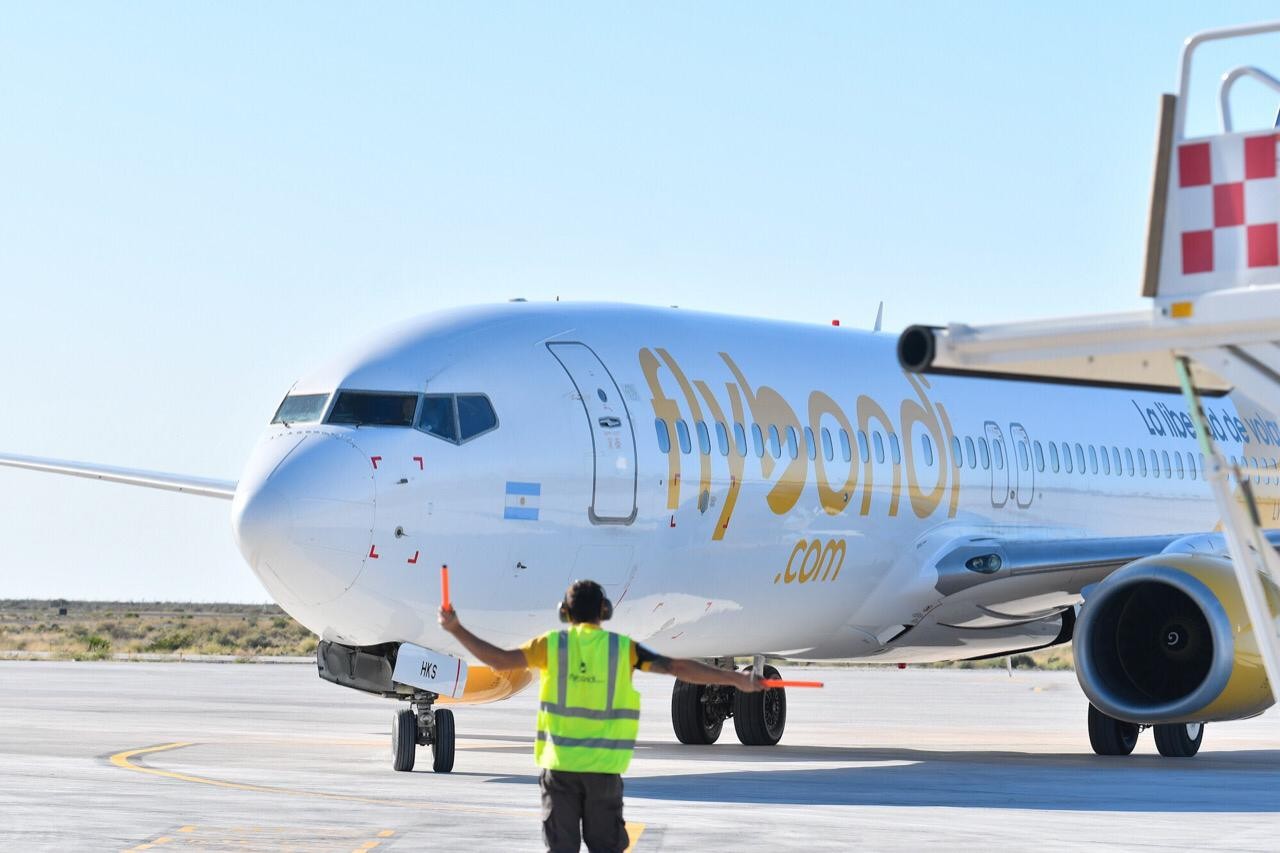
Brazil's National Civil Aviation Agency (Anac) has imposed restrictions on Argentine airline Flybondi's ticket sales within Brazil due to a significant number of flight cancellations and operational issues. The precautionary measure, effective immediately, stems from an analysis showing Flybondi canceled 79% of its registered flights in Brazil between July 1st and July 27th. Anac's oversight revealed signs of deteriorating operational capacity and potential consumer harm. Consequently, Flybondi is prohibited from selling tickets for Brazilian destinations not currently served by its operations, specifically Florianópolis, Maceió, and Salvador. Furthermore, the airline cannot expand its registered flight network in Brazil, meaning no new destinations, frequencies, or operations can be added. Anac has also suspended ticket sales for the Buenos Aires-Rio de Janeiro (Galeão) route starting August 3, 2026, unless Flybondi demonstrates operational adjustments ensuring service regularity by that date. The airline has faced previous Anac actions regarding delays and cancellations. The current decision does not impact already issued tickets; Flybondi remains obligated to provide assistance, rebooking, or full refunds within seven days for any future cancellations. Anac indicated the restrictions could be lifted if Flybondi presents evidence of restored operational regularity and adequate passenger service, meeting all regulatory obligations.
This regulatory action by Anac highlights the challenges of overseeing low-cost carriers operating across international borders, particularly concerning service reliability. The agency's intervention, driven by a high cancellation rate and consumer complaints, aims to protect Brazilian travelers from operational instability. The restrictions imposed on Flybondi, while severe, are framed as a mechanism to compel operational improvements rather than an outright ban. This approach reflects a balancing act between fostering market competition and ensuring consumer welfare, a dynamic increasingly relevant in the globalized aviation sector. The long-term implications may involve stricter oversight for airlines with similar operational models or increased demand for contingency planning and passenger compensation frameworks within bilateral aviation agreements.
AI-generated to prompt reflection — not editorial opinion, not advice, not a statement of fact. How this works.