Brazil's Blue Economy Potential: Overcoming Ocean Illiteracy for Sustainable Growth
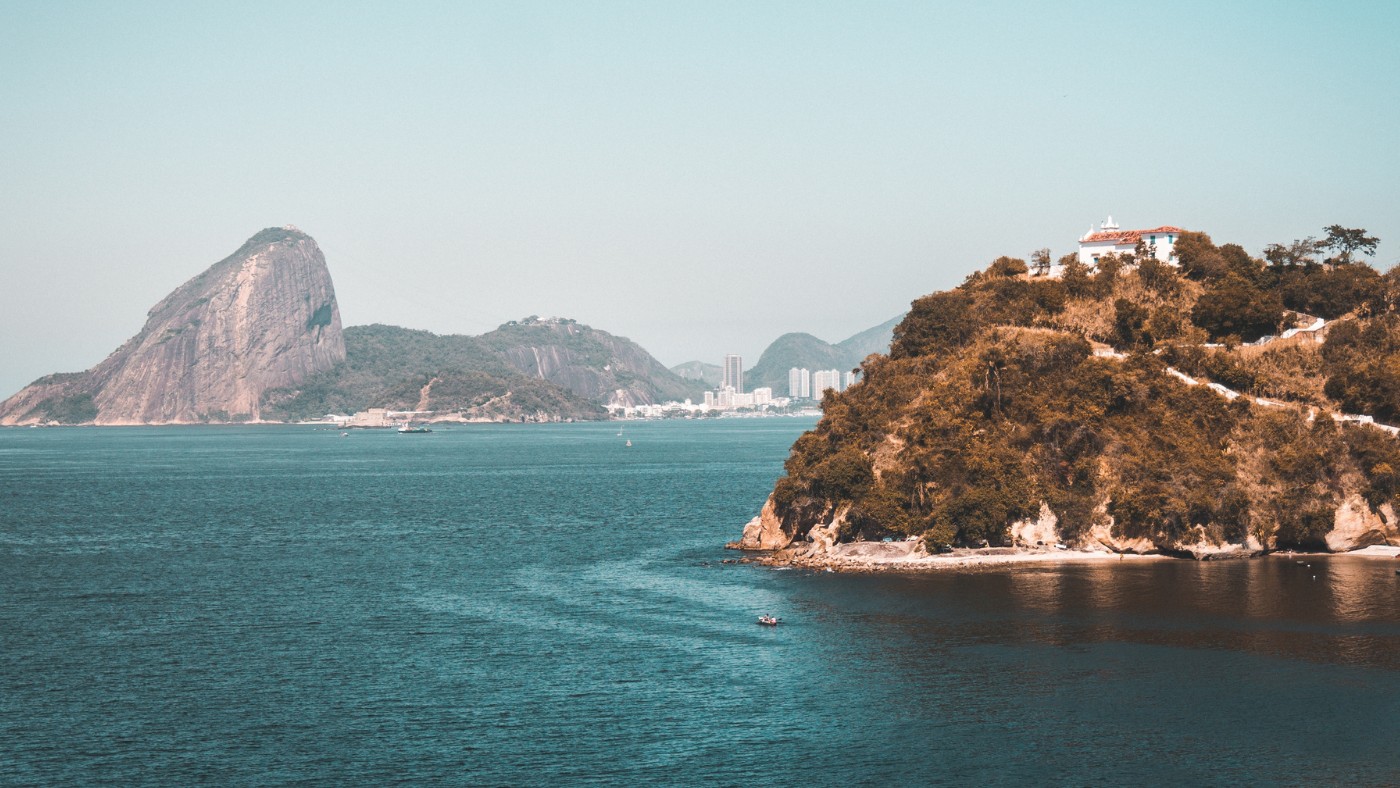
Brazil, with its extensive coastline and 443 coastal cities, possesses significant untapped potential in its "blue economy," which encompasses sectors like fishing, tourism, offshore energy, maritime transport, marine biotechnology, and port infrastructure. Globally, this sector is valued at $2.6 trillion annually and is projected to double by 2050. However, the ocean's economic importance is largely overlooked in Brazil's development discussions, which tend to focus on commodities and finance. Renato Regazzi, a professor at Insper and executive manager at Sescoop-RJ, identifies "ocean literacy"—a lack of public and decision-maker understanding of the sea's potential—as the primary barrier. He emphasizes that the ocean is not just a resource but a complex system of interconnected industries. The oceans play a crucial role in global climate regulation by absorbing over 90% of excess heat from global warming. Furthermore, the maritime sector handles approximately 80% of global trade while contributing only 2-3% to global emissions, prompting the UN to declare the 2021-2030 period the "Ocean Decade" to promote conservation and sustainable use. Regazzi advocates for integrated public policies that link urban development with maritime activities, including sanitation, to avoid damaging tourism and public health. Initiatives like the "Blue Flag Cities" certification, already adopted by Macaé and Niterói, and the "Blue Economy Index" are being implemented to recognize and classify coastal cities based on environmental protection and socio-environmental indicators. States like Rio de Janeiro, with its dedicated energy and marine economy secretariat, and Paraná, which has passed a specific law, are leading the way nationally. Internationally, France's maritime clusters, Portugal's blue economy hub and "blue schools," and Barcelona's integrated coastal city model offer valuable examples for Brazil. Regazzi suggests that fostering ocean literacy should begin in schools, encouraging young people and local communities to develop unique, high-value products and leverage cultural assets.
Brazil's blue economy presents a substantial opportunity for sustainable development, yet its realization is hindered by a widespread deficit in ocean literacy among the public and policymakers. This disconnect prevents a holistic approach, treating maritime sectors as isolated rather than integrated components of national prosperity and environmental health. The global recognition of the ocean's economic and climate-regulating significance, as highlighted by the UN's Ocean Decade, contrasts sharply with Brazil's current approach. Future policy frameworks should aim to bridge this gap by fostering interdisciplinary education and incentivizing integrated urban and maritime planning. This could unlock significant economic value while enhancing climate resilience and ecological preservation, aligning national development with long-term global sustainability goals.
AI-generated to prompt reflection — not editorial opinion, not advice, not a statement of fact. How this works.