Brazil's BR-319 Highway: A Vital Artery Facing Persistent Challenges
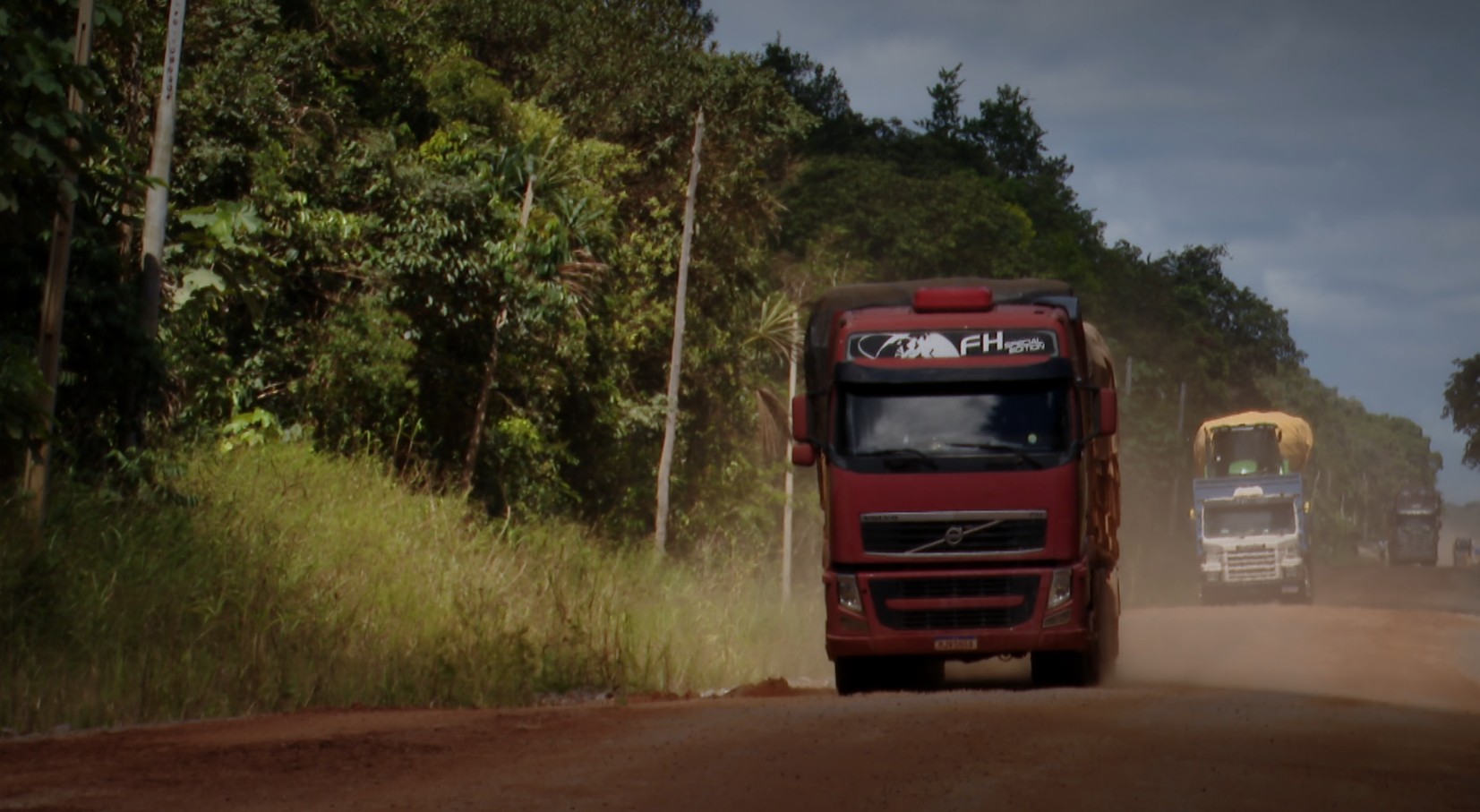
The BR-319 highway serves as a crucial land link between the state of Amazonas and the rest of Brazil, significantly impacting the economies of municipalities in the southern Amazonas region by facilitating cargo and passenger transport. Despite its importance, drivers, truckers, and residents continue to face considerable difficulties due to the road's poor condition, particularly in certain stretches. Business owners in Humaitá report that improvements in some sections have already stimulated local commerce and attracted new investments. Merchants along the BR-319 also note increased activity during the Amazonian summer, a period that sees a rise in vehicle traffic. However, challenges remain a daily reality for those reliant on the road; one trucker reported waiting three days for mechanical assistance after his vehicle broke down, emphasizing the need for government support. The highway's influence extends to connected municipalities like Lábrea, where officials and business leaders state that the corridor streamlines goods transportation, lowers logistical costs, and improves the city's supply chain. The vice-mayor of Lábrea highlighted the potential savings if the BR-319 were fully paved, estimating significant cost reductions for the state. In the Igapó-Açu community, residents are observing the construction of a new bridge over the river, which, according to the Ministry of Transport, will replace the existing ferry service, shorten travel times, and ease the movement of people and goods. The BR-319 is indispensable for the economy and the mobility of thousands, yet the ongoing transit difficulties underscore the urgent need for upgrades to enhance safety, reduce expenses, and ensure year-round accessibility.
The BR-319 highway exemplifies the complex interplay between infrastructure development, economic growth, and environmental considerations in remote regions. While the road is vital for connectivity and commerce, its current state presents significant logistical hurdles and safety concerns, necessitating substantial public investment for upgrades. The narrative highlights a common tension: the demand for improved transport infrastructure versus the potential ecological impacts of such development in sensitive areas like the Amazon. Future policy decisions will likely weigh the economic benefits of enhanced access against environmental stewardship, potentially exploring innovative, sustainable construction methods and stringent regulatory oversight to mitigate negative consequences. The ongoing reliance on rudimentary transport solutions, like ferries, and the frequent breakdowns underscore the long-term economic inefficiencies and vulnerabilities inherent in under-developed infrastructure, particularly in the context of increasing global trade and climate adaptation needs.
AI-generated to prompt reflection — not editorial opinion, not advice, not a statement of fact. How this works.