Brazil's Burned Area Decreases 31% in 2025, Cerrado Remains Most Affected
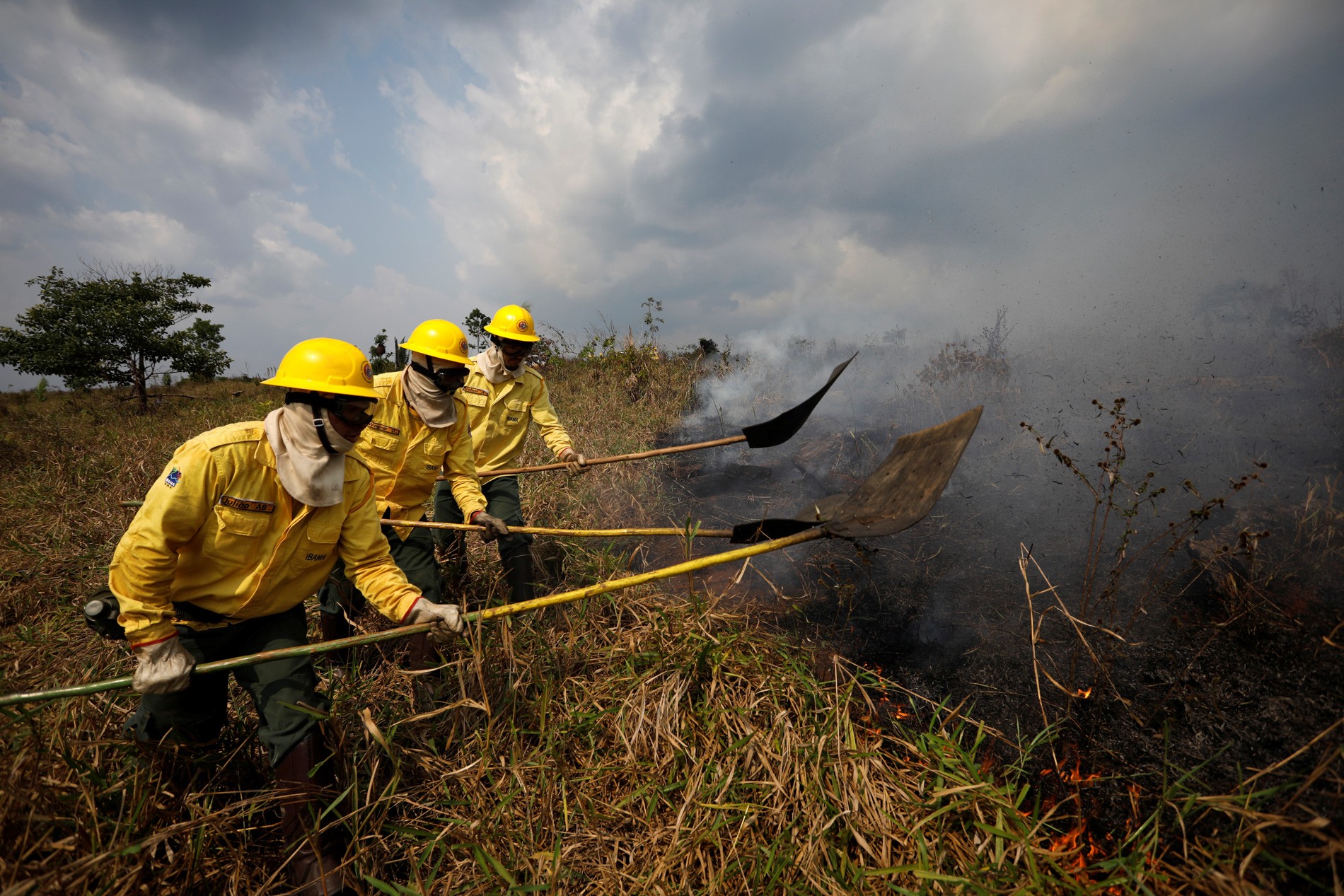
The total area burned in Brazil decreased by 31% in 2025 compared to the historical average, reaching 12.7 million hectares, according to the MapBiomas Annual Fire Report. This reduction was primarily driven by the Amazon biome, which experienced its lowest burned area in 41 years with 3.1 million hectares, a significant drop from 15.8 million hectares in 2024. However, the Cerrado biome continued to be the most impacted region, accounting for 69% of the national total with 8.7 million hectares burned in 2025. The Caatinga was the only biome to exceed its historical average, while the Pantanal saw the largest proportional reduction. The report also highlighted the alarming recurrence of fires, with 64% of all burned areas in Brazil between 1985 and 2025 being affected more than once. In the Amazon, 31.6% of repeatedly burned areas ignited again within two years, posing a severe threat to forest recovery due to the non-fire-adapted vegetation. In contrast, 66% of the Cerrado's burned area since 1985 has experienced multiple fires. Over the past 41 years, 208.4 million hectares, or 24% of Brazil's territory, have burned at least once, with the Amazon and Cerrado comprising 86% of this cumulative area. While most burned areas nationwide were native vegetation (71.5%), the distribution varied by biome; the Amazon and Atlantic Forest saw more than half of their burned areas on human-modified lands like pastures, whereas the Cerrado, Caatinga, Pantanal, and Pampa predominantly burned native vegetation.
The significant reduction in Brazil's overall burned area in 2025, particularly in the Amazon, suggests that policy interventions or environmental conditions may have had a positive impact. However, the persistent high proportion of burned land in the Cerrado and the alarming recurrence of fires across multiple biomes indicate systemic challenges. The rapid re-ignition cycles, especially in the Amazon, raise concerns about ecosystem resilience and long-term forest health, potentially exacerbating climate feedback loops. Future strategies may need to focus on localized fire management and land-use policies that account for varying biome characteristics and human-environment interactions to foster sustainable recovery and mitigate escalating risks.
AI-generated to prompt reflection — not editorial opinion, not advice, not a statement of fact. How this works.