Brazil's Candango Mouse, Possibly Extinct, May Have Vanished Before Study
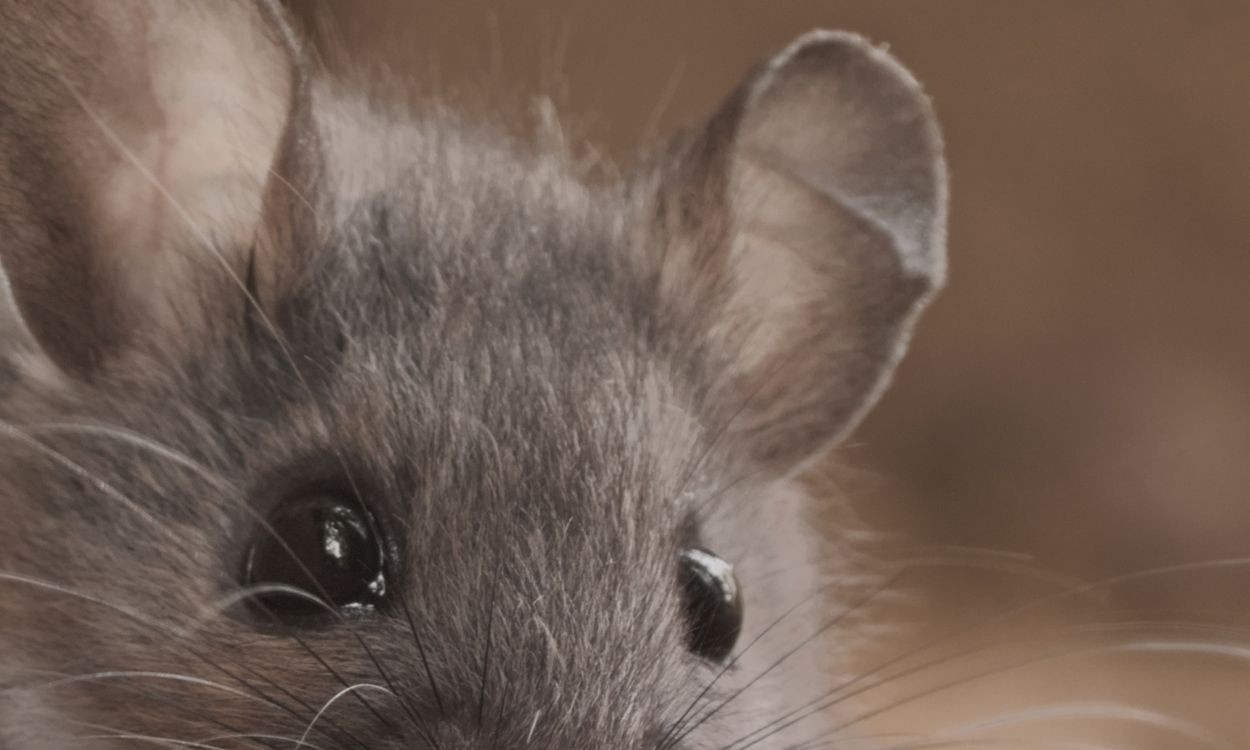
A small rodent discovered during the construction of Brasília, Brazil, known as the Candango mouse (Juscelinomys candango), is now considered critically endangered and possibly extinct. Only nine specimens were collected in the 1960s, and despite numerous expeditions over the decades, the species has never been recorded in the wild again. The Brazilian Institute of Environment and Renewable Natural Resources (ICMBio) classifies the species as Critically Endangered, Possibly Extinct (CR-PEX). The animal was known only from the Brasília Zoological Foundation in the Federal District, an area drastically altered by the capital's urban expansion. The Candango mouse exhibited semi-fossorial habits, living in tunnels dug underground with spherical chambers lined with grass fragments and fine roots approximately 80 centimeters below the surface. Known physical characteristics include an orange-brown coat with black hairs on its back, a short, thick, hairy tail, and well-developed front claws likely used for digging. However, virtually nothing is known about its biology, including reproduction, population size, or behavior, due to the limited number of individuals studied. Experts attribute the animal's disappearance primarily to the transformation of its original habitat into an urban environment. Despite this grim outlook, the species is not officially declared extinct by Brazil and remains on the national list of threatened species. Conservation efforts include prioritizing further research in less-sampled areas of the Cerrado to ascertain if any remnant populations exist. If none are found, the Candango mouse could join a small group of Brazilian mammals that vanished before their natural history could be fully understood, with the nine specimens from the 1960s remaining the primary scientific information available.
The potential extinction of the Candango mouse highlights a recurring challenge in biodiversity conservation, particularly in rapidly urbanizing regions. The scarcity of data, stemming from the species' limited initial discovery and subsequent habitat destruction, underscores the critical need for proactive ecological surveys before development irrevocably alters environments. This situation prompts reflection on the efficacy of conservation strategies that rely on post-discovery assessments versus those emphasizing comprehensive pre-development biodiversity mapping. Future conservation planning may benefit from integrating advanced remote sensing and AI-driven predictive modeling to identify and protect vulnerable species in nascent stages of scientific recognition, thereby mitigating the risk of losing unique evolutionary lineages before their ecological roles are even understood.
AI-generated to prompt reflection — not editorial opinion, not advice, not a statement of fact. How this works.