Brazil's CGU Extends Investigation into Central Bank Officials Over Alleged Master Bank Involvement
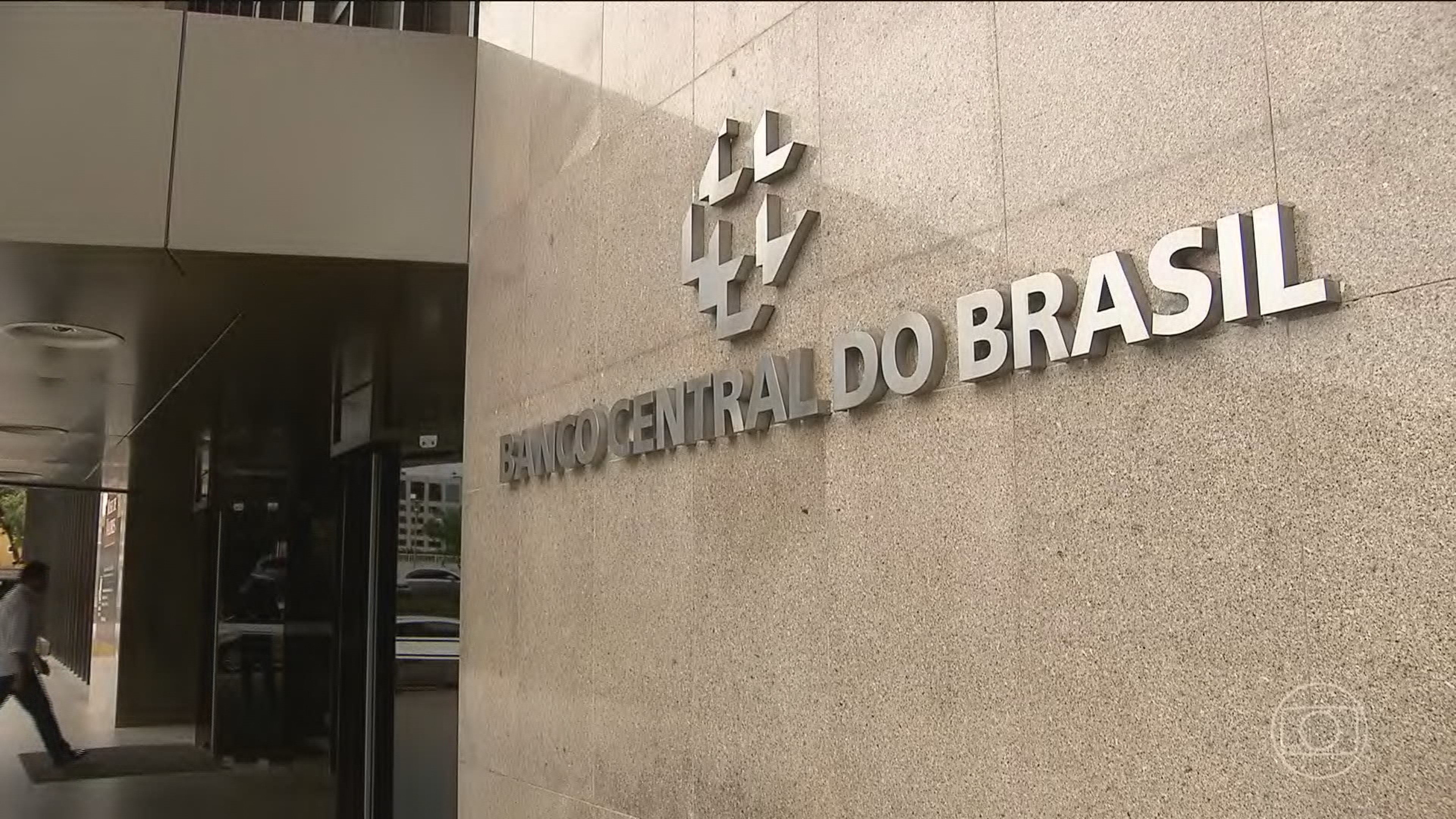
Brazil's Comptroller General of the Union (CGU) has extended its investigation by 60 days into two Central Bank (BC) employees who are suspected of acting as consultants for banker Daniel Vorcaro, the owner of Banco Master. The investigation, which began on March 23, is considering potential dismissal for the two officials. The CGU is currently awaiting evidence from Minister André Mendonça, the rapporteur for the Master case at the Supreme Federal Court (STF), before proceeding. The officials in question are Paulo Sérgio Neves de Souza, former director of supervision, and Belline Santana, former head of banking supervision.
Authorities suspect that between 2019 and 2023, these employees maintained contact with and possibly advised Vorcaro on matters concerning Banco Master within the Central Bank. This CGU probe was initiated following an internal BC investigation that found indications the two employees may have simulated service provision, such as consultancy, and property sales to conceal illicit income linked to Banco Master. The internal probe, based on their asset growth, revealed a significant increase in their wealth exceeding their public service income.
Both Paulo Sérgio and Belline have been on administrative leave since January, barred from accessing BC premises and systems. Their defense attorneys have stated that the extension is necessary for a complete investigation, ensuring due process and the right to a full defense. They also claim that evidence produced in the CGU proceedings contradicts the findings of the BC's internal inquiry. Belline's defense emphasized his consistent adherence to legal and ethical standards throughout his career at the Central Bank.
This investigation into Central Bank officials and their alleged involvement with Banco Master highlights potential systemic conflicts of interest within regulatory bodies. The extended timeline and reliance on evidence from the judiciary suggest a complex web of relationships requiring thorough scrutiny. The situation underscores the critical importance of robust internal controls and oversight mechanisms to prevent regulatory capture and ensure public trust. Future reforms could focus on enhancing transparency in financial dealings, strengthening ethical guidelines for public servants, and establishing clearer protocols for information sharing between different branches of government to prevent undue influence and maintain the integrity of financial oversight.
AI-generated to prompt reflection — not editorial opinion, not advice, not a statement of fact. How this works.